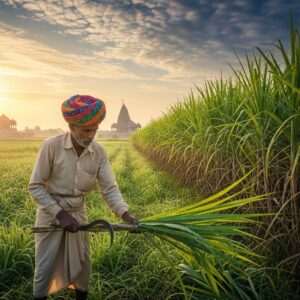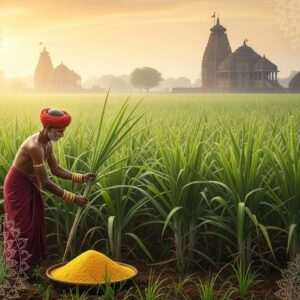


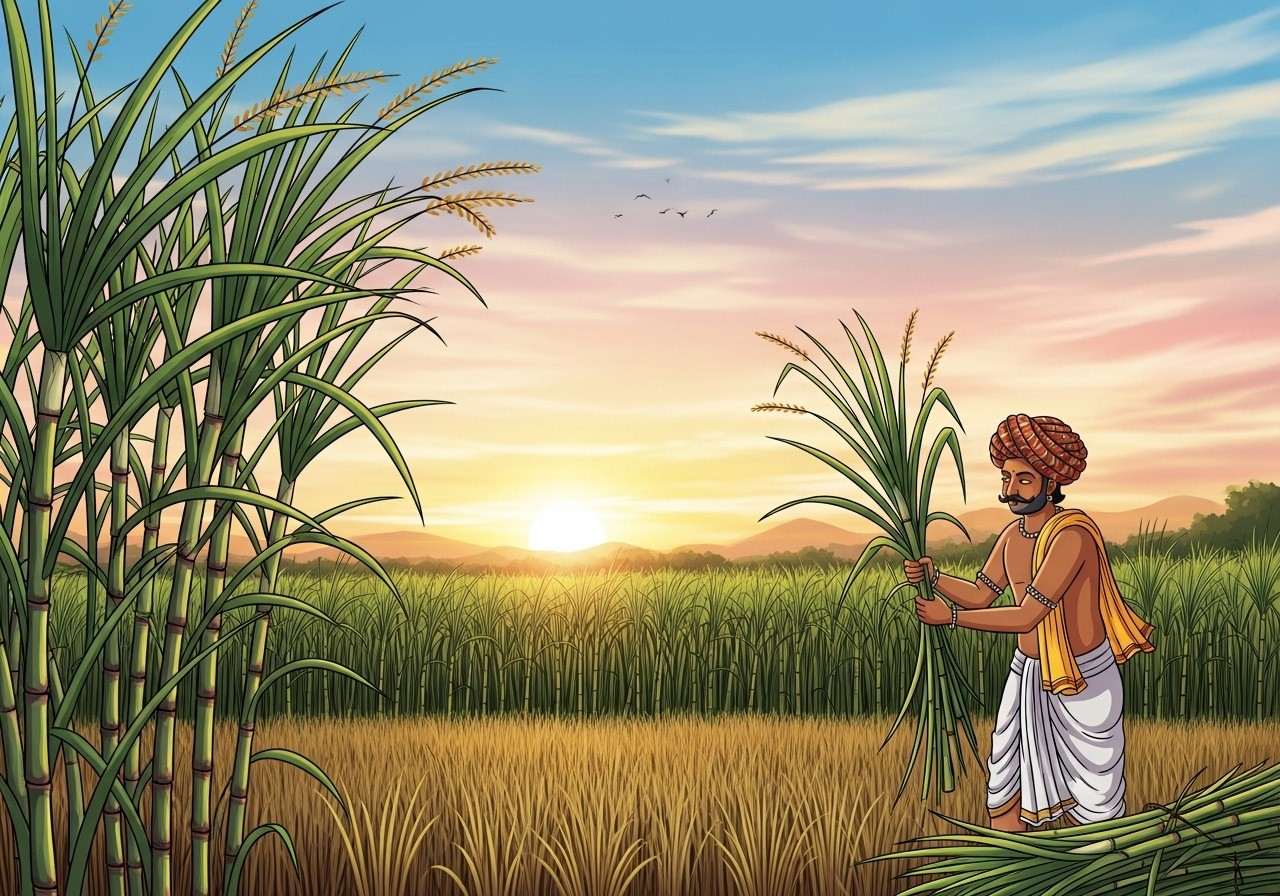
In the heart of India’s vast agricultural landscape, the tall, swaying stalks of sugarcane tell a story of tradition, hard work, and the simple joys of life. India is the world’s second-largest producer of this “sweet reed,” and for us, sugarcane is not just a crop; it is an emotion. From the refreshing glass of ganne ka ras on a hot afternoon to the essential offering of stalks during Makar Sankranti and Pongal, sugarcane is deeply woven into our cultural fabric. Whether you are performing a ritual or simply enjoying the natural sweetness of the land, the quality of ingredients matters.
At Poojn.in, India’s premier online store for cultural goods, we cherish these traditions. We bring you a curated collection of authentic puja essentials and cultural items that honor your heritage. While we explore the incredible diversity of Indian sugarcane today, remember that for all your ritual needs—from pure jaggery offerings to sacred puja thalis—Poojn.in is your trusted companion.
The Sweet Spectrum: Diverse Varieties of Indian Sugarcane
Our farmers work tirelessly across different agro-climatic zones to cultivate varieties that define the sweetness of our festivals. The “mithaas” (sweetness) of Indian sugarcane varies significantly based on region and seed type. Let’s look at some of the most prominent varieties that grace our fields and markets.
- Co 0238 (Karan 4): This variety has truly transformed the landscape of North Indian agriculture, especially in subtropical regions. It is a high-yielding marvel known for its exceptional cane yield and superior juice quality, making it a favorite among farmers and sugar mills alike.
- Co 86032: In the sugar belts of Maharashtra and Tamil Nadu, this variety is revered for its stability. It is a dependable crop that adapts well to various conditions, ensuring that the supply of sweetness remains consistent for our daily tea and festive sweets.
- Yellow Sugarcane (Golden Cane): Often seen in local markets, this variety is famous for its very high sugar content, ranging between 14-18%. It produces a light, crisp juice that is perfect for a quick energy boost and is often the type used for chewing directly.
- Purple Sugarcane (Black Sugarcane): Known locally as Kaala Ganna, this variety is prized not just for sugar but for its health benefits. It contains about 12-16% sugar and is rich in antioxidants, offering a complex, rich flavor that is deeply nostalgic for many of us.
Unlocking the Science of Sweetness
Have you ever wondered why some sugarcane tastes like pure nectar while others are milder? The sweetness is not accidental; it is a result of careful agricultural science and nature’s blessing.
Key Factors That Influence Taste
The inherent sugar content is largely determined by the genetic makeup of the variety. However, maturity is equally critical; sucrose content peaks at a specific stage, and harvesting at the right moment ensures that perfect taste. Additionally, India’s diverse climate plays a role—sugarcanes grown in the tropical south often have different profiles compared to the subtropical north.
The Elite High-Sugar Varieties
Recent agricultural advancements have introduced varieties with astounding sweetness levels, measured by the sucrose percentage in their juice:
- Co 11015: This is a powerhouse of sweetness, boasting an impressive sucrose content of 21.29% in its juice. It represents the pinnacle of quality for those seeking the purest sugar yield.
- Co 14005: Another elite variety, this cane exhibits a sucrose content of 20.15%. It is a testament to the innovation in Indian agriculture, ensuring that our sweets and jaggery are of the highest quality.
- Ranga (2009 V 127): A robust variety that can reach a juice sucrose content of 19.5% to 20%. It is widely appreciated for balancing yield with high-quality output.
- MS 14082: This variety is also a top contender, exhibiting very high sucrose levels around 19.47%, contributing significantly to the efficiency of sugar production.
Black vs. Green: A Cultural and Flavorful Debate
In the bustling streets of India, you will often find two main types of sugarcane. The Green Sugarcane is the most common choice for juice vendors. It is softer, easier to crush, and provides that refreshing, frothy drink we love with a dash of lemon and ginger. It is the hydration hero of the Indian summer.
On the other hand, Black Sugarcane holds a special place in traditional medicine and rituals. It is harder to chew but is valued for its medicinal properties and antioxidants. During festivals like Chhath Puja or Tulsi Vivah, black sugarcane often features in the offerings, symbolizing strength and immunity. Both varieties support sustainable farming and biodiversity, reflecting the wisdom of our ancestors.
Celebrations and Culinary Uses
Sugarcane is the backbone of Indian festivities. Beyond direct consumption, it is the source of Gur (Jaggery), which is considered auspicious and healthy. No winter in North India is complete without Gur ki Roti or Til-Gud.
At Poojn.in, we celebrate this connection by offering authentic products that complement your festive needs. While we don’t sell raw sugarcane stalks, we provide the finest cultural goods that go hand-in-hand with these rituals.
Furthermore, sugarcane by-products like bagasse are revolutionizing the paper and biofuel industries, proving that this crop is a gift that keeps on giving—promoting soil health and economic prosperity for our small farmers.
Poojn.in: Bringing Tradition to Your Doorstep
As we appreciate the rich variety of sugarcane that our land produces, let us also embrace the convenience of accessing authentic cultural items from home. Poojn.in is dedicated to serving the spiritual and cultural needs of modern Indian families.
Whether you need pure Jaggery powder for your daily tea or specific items for a grand Puja, our store ensures quality and purity. We do not offer travel packages or VIP temple darshan; our sole focus is on providing you with tangible, high-quality cultural goods that enrich your home and spirit.
Explore our collection today:
- Authentic Puja Samagri: Sourced with care to ensure your rituals are performed with the utmost sanctity.
- Traditional Decor: Items that bring the vibrance of Indian culture into your living room.
Visit Poojn.in to shop now. For any inquiries about our products, you can reach out to us at 03369029784 or WhatsApp us at 9476142738.
Common Questions About Indian Sugarcane Varieties
Which varieties of sugarcane are most commonly found in India?
India primarily cultivates tropical and subtropical varieties. You will frequently hear names like Co 0238 in the north and Co 86032 in the south. Each region grows specific types, like the Coimbatore or Kolhapur varieties, adapted to the local soil and climate to maximize sweetness and yield.
What is considered the best sugarcane variety for sweetness?
While “best” can be subjective, varieties like Co 11015 and Co 0238 are top contenders due to their high sucrose content. The Coimbatore varieties generally have a stellar reputation among farmers for producing rich, sweet juice and high-quality jaggery.
Is there a real difference in sweetness between black and green sugarcane?
Yes, there is often a noticeable difference. Black sugarcane generally tends to have a more complex, intense sweetness and is richer in nutrients, whereas green sugarcane is prized for its high water content and light, refreshing sugary taste, making it ideal for juicing.
How do I choose the right sugarcane product for my needs?
If you are looking for refreshment, the green variety is your best bet. However, for medicinal use or specific rituals, the black variety is often preferred. When buying derived products like jaggery, ensure you choose natural, chemical-free options—something we strongly advocate for at poojn.in.
Why does the sweetness of sugarcane vary from state to state?
The taste of sugarcane is deeply influenced by the “terroir”—the soil, water, and climate of the region. Maharashtra’s coastal humidity and Uttar Pradesh’s subtropical plains affect the cane’s maturity and sugar accumulation differently, giving each region’s produce a unique flavor profile.