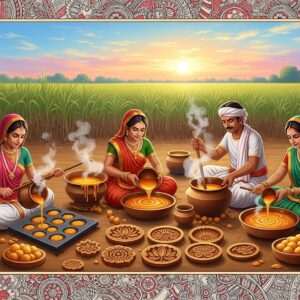


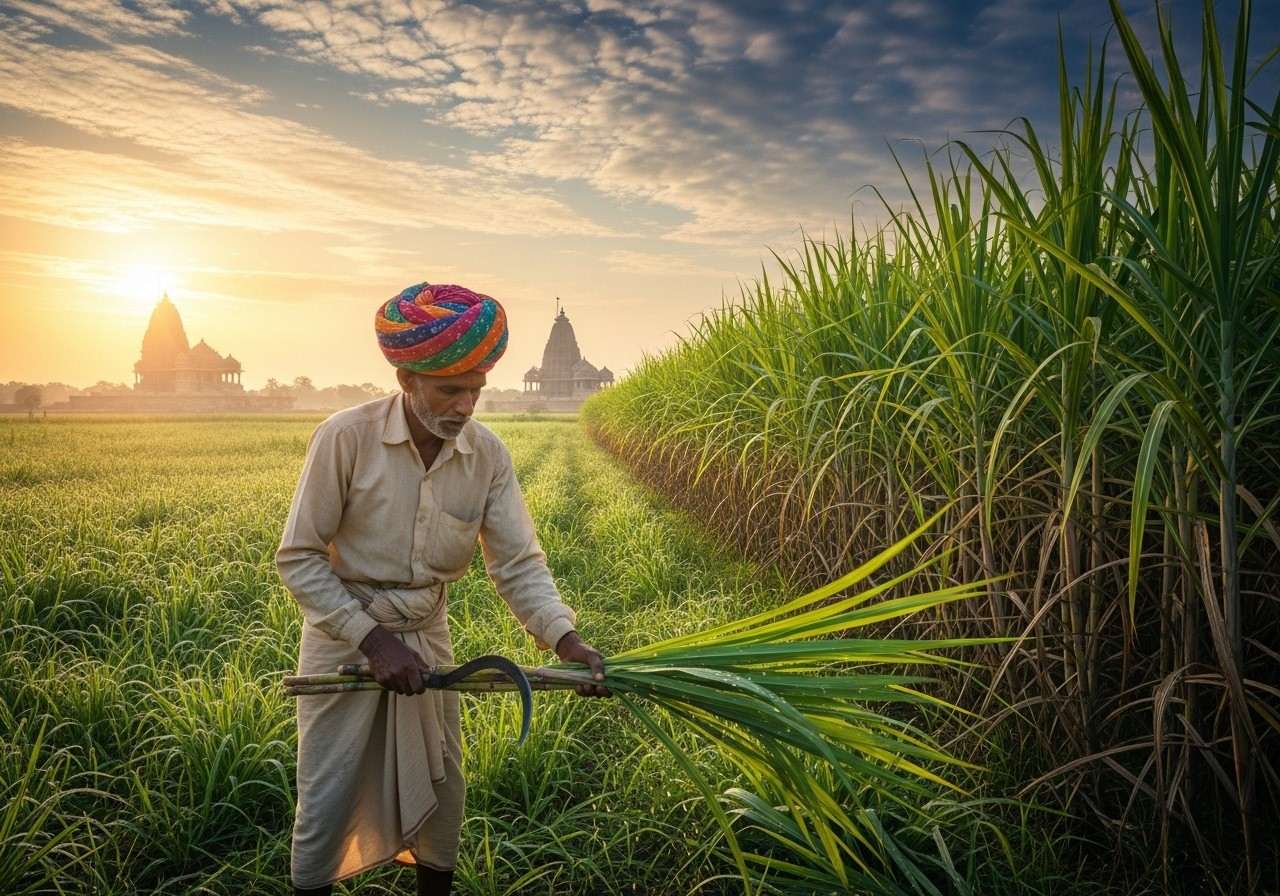
The sweet stalk has forever been a vital part of India’s cultural, spiritual, and economic history. This profound exploration uncovers its ancient origins and its fascinating voyage straight into the heart of our vibrant Indian heritage. As we journey through time, we learn about the brilliant early agricultural practices of our ancestors and the immense significance this divine harvest holds in modern-day India. Discover how this naturally sweet crop blossomed into an absolute staple for our holy rituals, traditional cuisine, and bustling commerce, perfectly reflecting our timeless values of deep-rooted tradition and purity.
Uncovering the Beginnings of a Sacred Harvest
Long before it became the joyous heartbeat of our local festivities, this humble grass began its magnificent story in the tropical ecosystems of New Guinea. From those distant islands, it gracefully spread across Asian lands, carrying sweetness wherever it grew. It was formally introduced to the Indian subcontinent around 3000 BC by navigating Austronesian traders. Early farming techniques and deeply devoted cultural practices nurtured its growth, allowing it to adapt beautifully to our fertile soils. Over the centuries, it played an instrumental role in shaping ancient economies and pioneering some of the world’s most significant trade routes.
Ancient Discoveries and Ayurvedic Wisdom
Tracing its glorious path deeper into our history, we proudly find that early indications of its cultivation are beautifully documented in our sacred scriptures dating all the way back to the 6th century BC. These revered ancient texts prominently mention the traditional extraction of fresh jaggery and the crafting of celebratory beverages. By the time we look back 2500 years ago, our brilliant ancestors had already discovered a sophisticated, natural process for producing solid, unrefined sweetness directly from the farm.
Our esteemed traditional medical sciences also recognized its profound value. Ayurvedic writings from 200-300 BC frequently and highly praise the cooling, healing, and restorative properties of this juicy crop. This clearly suggests that its mindful cultivation was highly respected and incredibly widespread during that golden period of our history.
Crystallizing Sweetness During the Gupta Dynasty
A truly monumental breakthrough in culinary history occurred during the illustrious Gupta dynasty, around 350 AD, when Indians brilliantly discovered how to crystallize the sweet juice into solid form. The very word we use universally today is believed to have beautifully blossomed from the ancient Sanskrit word “sharkara,” which perfectly translates to ground or candied sugar. From our vibrant, culturally rich shores, these highly refined production techniques radiated outwards, reaching lands as far as Persia and Greece between the 6th and 4th centuries BC.
By the glorious 8th century, the crystallized extract was cherished globally as a rare and luxurious Indian spice. Its magnificent appeal swiftly swept across the Mediterranean and North Africa, forever elevating global culinary traditions and putting Indian agricultural genius on the world map.
The Birth of Organized Research and Modern Progress
Stepping forward into the modern era, our nation’s commitment to improving this sacred crop took a formal, scientific shape. In 1912, the Sugarcane Research Institute was proudly established in Shahjahanpur by agricultural visionaries Charles Alfred Barber and George Clarke. This historic milestone marked the true, organized beginning of advanced crop development in our motherland. The very first successfully developed high-yield variety, famously known as CO 205, was meticulously produced in Coimbatore, completely revolutionizing local farming practices.
Following our hard-fought and glorious independence, the Indian government ambitiously set its sights on industrial progress. Implemented during the vital 1950-51 development plans, specific, goal-oriented targets were created for national production and local consumption. This visionary move ensured the industry remained the sturdy backbone of our growing agrarian economy.
Today, our great nation proudly stands as the second-largest producer globally, right after Brazil. Our lush, fertile lands dedicate approximately 4 million hectares strictly to its devoted cultivation, yielding an impressive average of 70 tonnes per hectare. This remarkable, continued growth perfectly balances our rich ancestral legacy with vital environmental sustainability and modern agricultural innovation.
Cultural Heritage and the Divine Essence of Sweetness
Far beyond pure economics, these tall, green stalks deeply intertwine with our vibrant cultural heritage, beautifully and consistently depicted in traditional Indian art, classical literature, and soulful folk music. Auspicious festivals like Makar Sankranti, Chhath Puja, and Pongal place this beloved harvest right at the very center of their joyous celebrations, clearly illustrating its immense spiritual significance. The sweet traditions gracefully passed down through countless generations are actively preserved, cherished, and seamlessly adapted, keeping our family roots firmly grounded in contemporary Indian society.
How Poojn Connects You to Our Ancestral Traditions
This sacred plant holds an irreplaceable, heartfelt space in our vibrant culture and daily spiritual routines. It is truly so much more than a mere agricultural product; it is a profound, living symbol of divine sweetness, ancestral blessings, and enduring familial prosperity. At Poojn.in, we deeply understand, respect, and honor the irreplaceable role of such pure offerings in your daily rituals and grand community celebrations. Our dedicated online store offers a wonderful array of highly authentic cultural goods that beautifully help you reconnect with this rich, unbroken heritage right from the comfort of your home.
Essential Sacred Offerings for Your Devotional Needs
- Pure Jaggery (Gur) for Auspicious Rituals: Thoughtfully sourced and carefully prepared following traditional methods, our pure jaggery is an absolute necessity in numerous Indian rituals and regional festive cuisines. It profoundly symbolizes the sweetness of life and divine grace, and is lovingly presented as a sacred offering during your daily prayers and important family pujas, ensuring your ceremonies are as spiritually authentic as they are uplifting.
- Traditional Natural Sweeteners for Celebrations: Journey through our meticulously curated and lovingly selected range of natural, wholesome sweeteners derived directly from the finest ancestral crops, meant exclusively for use in your sacred temple offerings and joyous family festivities. These pure, completely unadulterated products carry the true, unspoiled essence of our ancient traditions, gracefully allowing you to perform your religious duties with the utmost devotion, respect, and absolute peace of mind.
Why Embrace Our Cultural Store for Your Needs?
When you thoughtfully choose to shop with Poojn.in, you are embracing a trusted platform that passionately provides high-quality, genuinely spiritual products that deeply respect our timeless Indian traditions, all while offering you the modern, stress-free convenience of easy online shopping. Every single sacred item in our store is carefully and selectively chosen to guarantee they perfectly meet the unique cultural, emotional, and devotional needs of our beloved customers across the country.
For more personalized information or any dedicated assistance with your home’s spiritual requirements, please feel warmly welcome to contact us directly at 03369029784 or kindly WhatsApp our helpful team at 9476142738.
Embracing Timeless Tradition alongside Future Progress
The remarkable, centuries-old journey of this sweet crop in our motherland beautifully and seamlessly blends our ancient, revered traditions with forward-thinking national progress. From the sacred, chanting fires of ancient rituals to the bustling, energetic activities of modern agricultural industries, this humble harvest has deeply woven itself into the very soul and fabric of our everyday Indian life. With each and every bountiful yearly harvest, it generously brings us a comforting, nostalgic taste of our glorious history alongside a bright, hopeful promise for the future. As our great nation continues to proudly celebrate its majestic cultural heritage, this sweet, timeless story warmly reminds us to honor our rich, colorful past while firmly paving the golden way for future innovation and sustainable community growth.
Common Inquiries About India’s Sweet Cultural Heritage
Where did this cherished sweet stalk first originate before blessing our lands?
The deep roots of this beloved crop trace back to the lush, tropical landscapes of New Guinea and Southeast Asia. It was first carefully and lovingly cultivated thousands of years ago by ancient farming communities before gradually making its beneficial way across the globe to enrich other great civilizations.
How was this auspicious and vital crop introduced to the Indian subcontinent?
It was formally introduced to our ancestral lands around 3000 BC, primarily guided by traveling, sea-faring Austronesian traders. These ancient, adventurous voyagers brought the stalks to our welcoming shores, where the divine plant quickly found an incredibly suitable climate and soon blossomed into an absolute agricultural wonder for our people.
What is the profound historical significance of this harvest in our country?
This sacred grass boasts a deeply rich and documented history in our nation, beautifully spanning several millennia. From early, holy scriptures in the 6th century BC to detailed, ancient Ayurvedic texts heavily praising its healing properties, it has forever served as a vital, unshakable cornerstone for both our agricultural wealth and our daily spiritual traditions.
Why is this specific crop considered so crucial to our spiritual and cultural heritage?
It is absolutely crucial because it thoughtfully forms the pure, sweet foundation of our traditional festive sweets and sacred temple offerings. Throughout our long, vibrant history, it has consistently supported our agrarian economy while simultaneously serving as a divine, highly respected symbol of abundance and maternal grace in countless religious ceremonies.
How exactly is the harvest utilized during our traditional family festivals and rituals?
During grand, deeply revered festivals like Makar Sankranti, Chhath Puja, and Pongal, the tall, green, leafy stalks are prominently displayed and actively used in traditional prayer ceremonies. It stands tall as a powerful, visual symbol of earthly prosperity and is lovingly offered to the divine deities before being happily shared as blessed prasad among family members and loved ones.
What significant, ongoing role has this industry played in shaping our modern economy?
Historically and well into the modern day, this vital, bustling industry has been an absolute pillar of our national economy. By consistently providing countless jobs to our hard-working, devoted farmers and robustly supporting massive domestic production sectors, it ensures steady, reliable economic growth while maintaining our proud status as the world’s second-largest producer.
How has the pure essence of its sweetness influenced our varied regional cultures?
Its divine, unmistakable essence has profoundly influenced our culture by becoming an inseparable, much-loved part of our rich culinary traditions and joyous community celebrations. It universally represents pure sweetness, familial love, and divine abundance, continuously and beautifully bringing communities together during every single festive season across the nation.
What are some classic, traditional Indian sweets lovingly crafted from this sacred plant?
Beloved, time-honored traditional delicacies like pure gur (jaggery), beautifully crystallized mishri, and a magnificent wide variety of regional festive candies are all lovingly crafted directly from its extracted juice. These timeless, mouth-watering sweets not only deeply delight our palates but also beautifully showcase the crop’s supreme, unmatched importance in our rich, generation-spanning culinary heritage.