


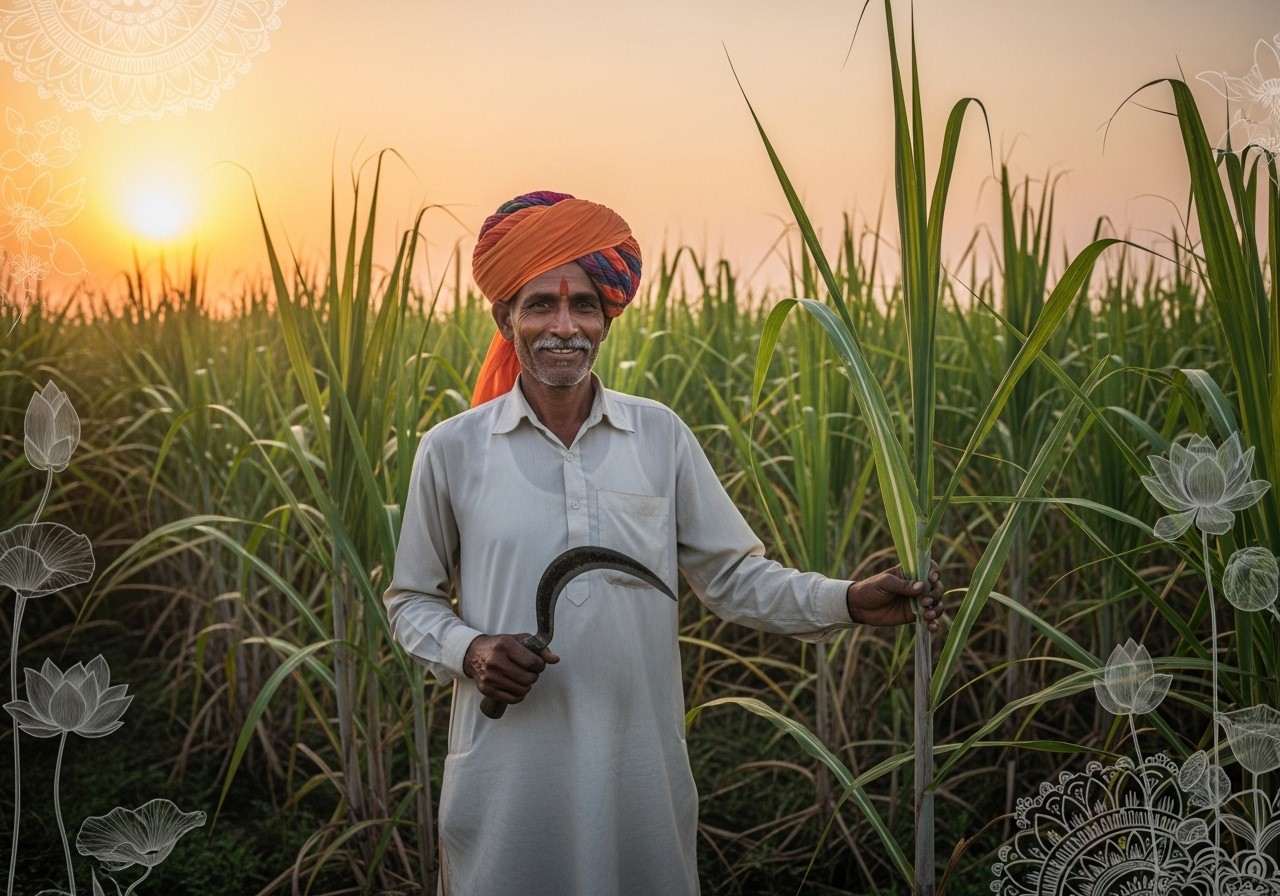
In the heart of India, where agriculture is not just a profession but a way of life, sugarcane cultivation holds a special place. It is the sweetness in our chai and the joy in our festivals like Makar Sankranti and Pongal. As we step into 2026, understanding the intricate dance of the sugarcane crop cycles becomes essential for our farming community. This guide explores the sowing times, crop duration, and the age-old debate of whether sugarcane is a rabi or kharif crop, tailored for the culturally rooted Indian who values both tradition and progress.
Understanding Sugarcane: Is it Rabi or Kharif?
For many of us, classifying crops into Rabi (winter) or Kharif (monsoon) is the first lesson in farming. However, sugarcane is a bit of a rebel. It possesses a unique nature that often sparks debate among agriculturists. Because it is a perennial crop, it doesn’t fit neatly into just one box.
In many parts of North India, sugarcane is often treated like a Rabi crop, sown in the spring and harvested as winter sets in. Yet, in other regions, its cycle aligns more with the Kharif season, beginning with the rains. The truth lies in regional variations. Local climate, soil conditions, and water availability dictate these distinctions, making sugarcane a crop that truly adapts to the diversity of our motherland.
The 2026 Sugarcane Crop Duration
Patience is a virtue, especially for a sugarcane farmer. Knowing the exact duration of the crop is vital for planning labor, finances, and family obligations. Typically, the crop takes anywhere from 10 to 18 months to mature.
For the year 2026, we look at specific planting types prevalent in states like Maharashtra and South India:
- Adsali Planting: This occurs during July and August. It is a long-duration crop, lasting about 15 to 18 months, often yielding a bountiful harvest.
- Eksali Planting: Common in South India, this is usually done during January and February, with the harvest following after one year.
Understanding these timelines helps our farmers—our Annadatas—to optimize their hard work and meet market demands effectively.
Sowing Time for Sugarcane in 2026
Timing is everything in agriculture. As per the forecast for 2026, the ideal sowing windows vary significantly across the country.
- Spring Planting: In North India, the golden window is often February to March. This allows the crop to establish before the intense heat of summer.
- Autumn Planting: Some farmers prefer sowing in September and October to get a head start.
- Summer Planting: A late sowing option is available during April and May.
- Winter Planting in the South: In states like Tamil Nadu, Andhra Pradesh, Karnataka, and Maharashtra, the planting season is bustling during December to February.
With climate patterns shifting, keeping an eye on these dates is crucial. Farmers must remain adaptable, listening to both the wisdom of the past and the science of the present.
The Role of The Farmer’s Almanac
The Farmer’s Almanac has always been a trusted companion, much like an elder in the village panchayat. It offers invaluable insights into weather patterns, planting dates, and crop management tips. In 2026, this resource continues to bridge the gap between traditional wisdom and modern challenges, ensuring farmers are prepared for whatever nature brings.
Innovations in Sugarcane Farming for 2026
While we respect tradition, we also welcome progress. The year 2026 brings exciting advancements to the fields:
- Smart Technology: We are seeing the integration of GPS and AI in harvesters. These smart machines can increase yield by up to 15% through precise cutting, ensuring not a stalk is wasted.
- Intercropping: To keep the soil healthy—our Dharti Maa fertile—farmers are adopting crop rotation with legumes. Intercropping with onions, potatoes, or coriander is also becoming a popular practice to maximize income.
- Water Management: With sugarcane needing 1500-2500 mm of rainfall, maintaining optimal soil moisture is key. New irrigation techniques are helping farmers manage water more efficiently.
Cultural Significance and Divine Blessings
Farming in India is not just about soil and seeds; it is about faith. Before the sowing begins, it is customary to seek blessings for a prosperous harvest. Understanding the crop cycle is one part of the equation; performing the right rituals is the other.
At poojn.in, we understand this deep emotional connection. We are India’s biggest cultural goods store, dedicated to supporting your traditions. Whether you are performing a Bhoomi Pujan before planting or a thanksgiving puja after harvest, we have everything you need.
To ensure your rituals are conducted with purity and authenticity, explore our range of products:
- Puja Kits: Comprehensive sets containing every essential item for your specific rituals.
- Incense Sticks & Dhoop: Create a divine and fragrant atmosphere in your home or field.
- Brass Lamps (Diyas): Essential for lighting the way to prosperity during ceremonies.
- Holy Water (Gangajal): Purify your surroundings and bless your crops with sacred water.
All these authentic items are available at poojn.in. We bring the marketplace to your doorstep, combining tradition with the convenience of online shopping. For any assistance or to place an order, you can reach out to us at 03369029784 or message us on WhatsApp at 9476142738.
Common Questions on Sugarcane Cultivation
Is sugarcane considered a Kharif or Rabi crop?
While it is predominantly planted in the rainy season like a Kharif crop, its long duration means it overlaps seasons. In some regions with specific irrigation, it is treated similarly to a Rabi crop. It truly depends on the local agricultural calendar.
How long does the crop take to mature?
The waiting period requires patience, ranging from 10 to 18 months. This variation depends heavily on the specific variety of sugarcane and the local weather conditions.
When should I sow sugarcane?
For most, the spring season between February and April is ideal. However, many successful farmers also opt for autumn sowing around September and October to align with specific harvest goals.
Does climate change affect production?
Yes, sugarcane loves a warm, humid climate with plenty of sunshine. However, extreme temperatures or erratic rainfall can impact yield, making it important to stay updated with resources like the Almanac.
Why is soil quality important?
Sugarcane thrives in well-drained, fertile soil. Proper preparation and nutrient management are the foundations of a healthy crop, ensuring that the sweetness of the cane is preserved.
Where is sugarcane mostly grown?
While you can find sugarcane fields across India, the heartlands of production include Uttar Pradesh, Maharashtra, Karnataka, and Tamil Nadu, where the soil and climate are most favorable.
How does the Almanac help?
It serves as a guide for weather forecasts and planting times, helping farmers make informed decisions to optimize production and improve their livelihoods.
Embracing Tradition and Innovation
As we move through 2026, the journey of sugarcane cultivation in India continues to be a beautiful blend of the old and the new. Farmers, deeply rooted in their cultural heritage, are now equipped with modern tools to navigate the complexities of agriculture. By respecting our traditions and embracing innovation, we ensure a prosperous future for our families and our nation. Visit poojn.in to keep your spiritual roots strong while you grow.