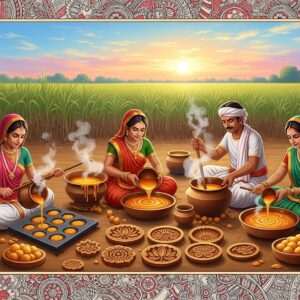


In the vast, golden fields of rural India, sugarcane is more than just a crop—it is a symbol of sweetness, prosperity, and the enduring spirit of our farmers. Known locally as “Ganna” or “Karumbu,” India’s sugarcane cultivation is woven deeply into our cultural tapestry. From the joyous harvest festivals of Makar Sankranti and Pongal to the sacred offerings of Chhath Puja, this humble grass plays a vital role in our lives. Today, we explore how ancient traditions are meeting modern challenges, and how the sweetness of the soil reaches your soul.
The Art of Growing Sugarcane: A Labor of Love
Sugarcane farming in India is a meticulous process that combines generations of wisdom with new-age agricultural science. The journey begins not with seeds, but with stalk cuttings known as “setts.” Farmers treat the soil with immense reverence, preparing it to nurture these cuttings into tall, sturdy canes.
To understand the effort behind every crystal of sugar, one must know the terms that echo in the fields:
- Tillering: This is the stage where the plant begins to sprout multiple shoots from the base. It is a critical phase that determines the density of the crop and, ultimately, the yield per acre. Farmers watch this stage closely, ensuring the “family” of stalks grows strong together.
It requires a delicate balance of nutrients and care to ensure that each shoot receives enough sunlight and resources to thrive. - Ratooning: A sustainable practice where, after the harvest, the lower part of the plant and roots are left in the ground to grow the next crop. This ancient method saves costs on replanting and matures earlier.
While cost-effective, it requires strict disease management to ensure the soil’s fertility isn’t depleted over repeated cycles. - Intercropping: To maximize land use and soil health, farmers often grow pulses or vegetables between sugarcane rows. This not only provides additional income but also fixes nitrogen in the soil naturally.
This technique reflects the Indian philosophy of living in harmony with nature, ensuring the land remains productive for future generations.
The Seasonal Rhythm: When Does India Grow Sugar?
The sugarcane growing season in India is dictated by the rhythms of nature, typically spanning from February to October. However, because our country is so vast, these timelines dance to the tune of regional climates. The Monsoon rains are the lifeblood of this thirsty crop. Farmers across Uttar Pradesh, Maharashtra, and Karnataka eagerly await the rains, as they significantly influence the quality of the harvest.
Recently, we have seen how delicate this balance can be. In the 2023-24 season, Mother Nature tested the resilience of our Annadatas (farmers). Key states like Maharashtra and Karnataka received significantly lower rainfall. This water scarcity led to a noticeable reduction in yields, reminding us that despite technological advances, we are still deeply connected to the elements.
Navigating Modern Challenges: The 2023-24 Landscape
Farming today is as much about economics and policy as it is about soil and water. The last couple of years have been particularly dynamic for the Indian sugar industry.
Balancing Food and Fuel
In a decisive move during 2023-24, the Indian government adjusted its Ethanol Production Policies. To keep domestic sugar prices stable and affordable for the common household—especially with crucial elections on the horizon—restrictions were placed on using sugarcane juice and sugar syrup directly for ethanol production. However, the production of ethanol from B heavy and C heavy molasses was allowed to continue.
This policy shift meant that sugar mills had to divert more cane towards making molasses. While agencies like CRISIL initially estimated that this ban might boost sugar production by 2.5 million tonnes, the reality of the lower rainfall meant that overall sugarcane production still faced a decline of about 9%. According to DATAGRO reports, the final sugar production for the harvest dropped by roughly 7.6% compared to the previous year.
Supporting the Farmer
Amidst these fluctuations, there has been a silver lining for the farming community. The government has been consistently increasing the Fair and Remunerative Price (FRP) for sugarcane. This is the minimum price that sugar mills have to pay to farmers. Reflecting a commitment to rural prosperity, the FRP was raised from ₹285 per quintal in 2020-21 to ₹340 per quintal in 2024-25. This increase is a crucial step in ensuring that the hands that feed us are well-compensated for their hard work.
Sugarcane in Indian Culture and Rituals
Beyond the economics, sugarcane holds a sacred place in our hearts. It represents the harvest, the sweetness of life, and the flow of prosperity. During Makar Sankranti and Pongal, fresh sugarcane is offered to the Sun God, thanking nature for the bounty. In many households, the ritual of Tulsi Vivah is incomplete without a mandap made of sugarcane stalks.
At Poojn.in, we understand that these rituals are not just formalities; they are feelings. When you perform a Pooja, you want everything to be authentic and pure, just like the traditions passed down by your grandmother.
Enhancing Your Spiritual Practice
While you procure the freshest sugarcane for your rituals, allow us to help you with the rest of your spiritual needs. Poojn.in offers a curated collection of cultural goods designed to bring grace and sanctity to your home.
Discover our authentic collection:
- Traditional Pooja Thali Sets: Crafted with intricate designs, these sets are essential for organizing your Haldi, Kumkum, and Akshat during the offering.
A beautiful thali not only organizes your ritual items but also adds a touch of grandeur to your prayer room. Explore our Thali sets here. - Premium Incense Sticks: Create a divine atmosphere with fragrances that calm the mind and purify the air.
Our natural scents are chosen to complement the sweetness of your offerings, enhancing the spiritual vibration of your home. - Brass Lamps and Diyas: Light is the symbol of knowledge and divinity. Our traditional brass lamps are perfect for evening Aartis.
Lighting a Diya from Poojn.in signifies the dispelling of darkness and the invitation of prosperity into your life.
For any inquiries about our cultural products, you can reach out to us directly at 03369029784 or WhatsApp us at 9476142738. We are here to serve your spiritual journey.
Common Questions About Sugarcane Cultivation
How is sugarcane actually grown in our fields?
It is a fascinating process where farmers don’t use seeds in the traditional sense. Instead, they plant stalk cuttings called “setts” into nutrient-rich soil. These cuttings eventually sprout roots and buds, transforming into the tall canes we see. Regular irrigation is the key to ensuring the juice content remains high.
What is the best time for harvesting?
The fields usually buzz with activity between October and March. This is when the cane is mature and the sugar content is at its peak. The timing is often aligned with festivals, turning the harvest into a community celebration.
Which states are the leaders in growing sugarcane?
While you can find sugarcane across India, the states of Uttar Pradesh, Maharashtra, Karnataka, Tamil Nadu, and Andhra Pradesh are the true powerhouses. Their soil composition and climatic conditions are ideal for this thirsty crop.
Why is this crop so important for India?
Sugarcane is the backbone of our rural economy. It is the primary source of sugar and jaggery (gud) found in every Indian kitchen. Furthermore, it supports millions of farming families and is pivotal in producing green energy through ethanol.
What struggles do our sugarcane farmers face?
Our farmers are resilient, but they face significant hurdles. Unpredictable weather patterns, like the erratic rainfall seen in 2023-24, pest attacks, and fluctuating market prices are constant challenges. However, with rising FRPs and better technology, there is hope for a more stable future.
Conclusion: A Sweet Future Ahead
India’s relationship with sugarcane is a beautiful blend of age-old traditions and modern resilience. It stands as a testament to our rich heritage, where every stalk supports the economy and carries stories of community celebration. As we see farmers adapting to climate changes and embracing sustainable practices, they honor our past while securing our future.
From the soil of the farm to the soul of your festival, may your life be as sweet as the sugarcane harvest. Visit Poojn.in to keep your traditions alive and vibrant.