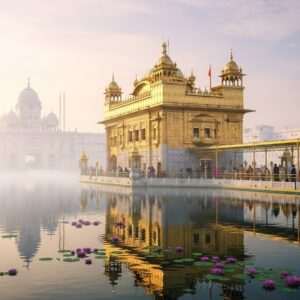


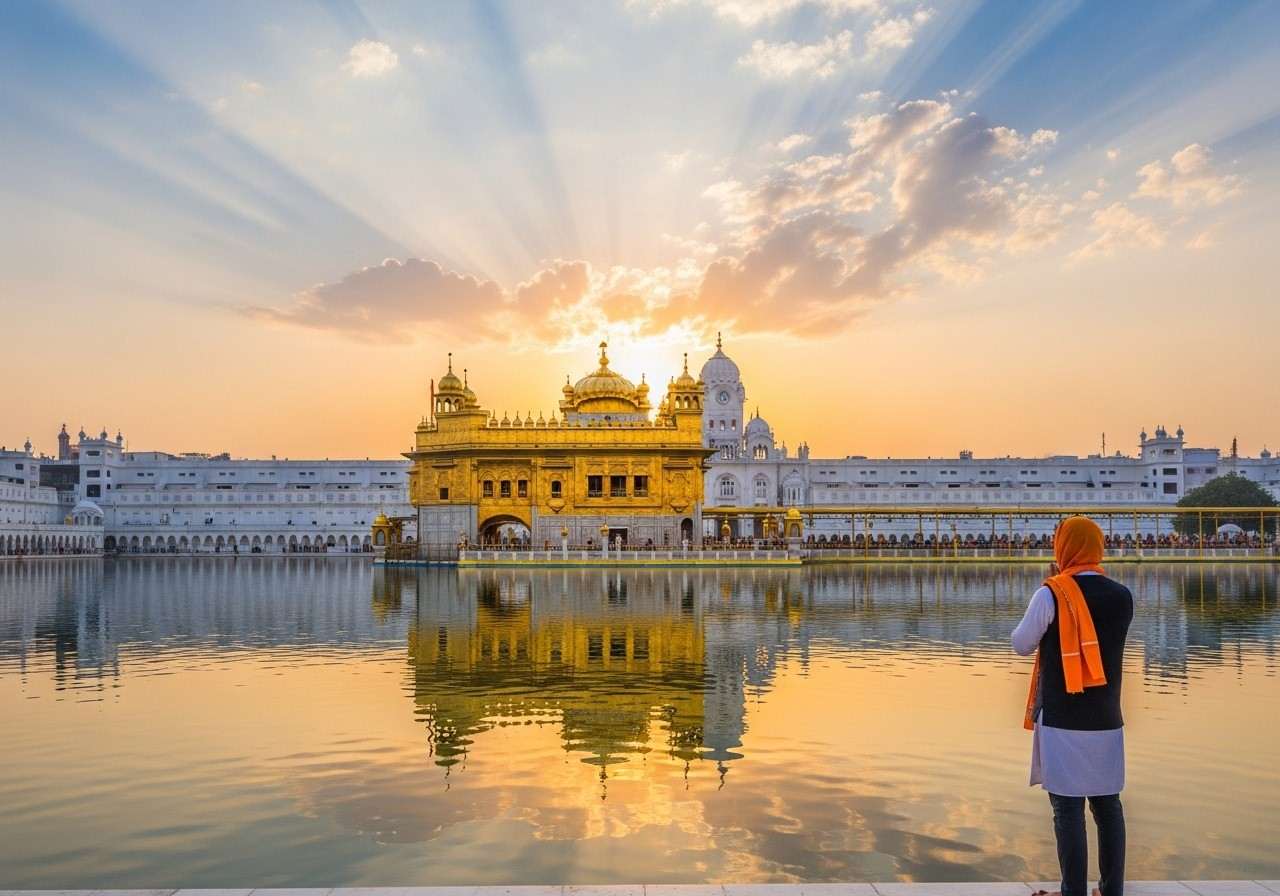
There is a place in the heart of Punjab where the earth seems to touch the sky, and the hustle of the world fades into a serene silence. The Golden Temple, or Sri Harmandir Sahib, is not merely a destination; it is an emotion that resonates with every Indian soul. As we look forward to 2026, the allure of this architectural marvel and spiritual beacon remains timeless, drawing millions who seek peace, equality, and a moment of connection with the Divine.
Whether you are visiting to bow your head in reverence, to serve in the community kitchen, or simply to sit by the holy waters, proper planning ensures your journey is as smooth as it is sacred. This guide is crafted for the devotee in you, blending tradition with the practical details needed for a fulfilling pilgrimage.
The Spiritual Heart of Sikhism
Founded by Guru Ram Das Ji in the 16th century, the Golden Temple stands as a testament to humility and resilience. Unlike many structures that are built on high ground, this shrine is built at a lower level, symbolizing that one must be humble to reach God. The glittering gold façade, which uses approximately 400 kilograms of gold leaf, reflects beautifully in the Amrit Sarovar (Pool of Nectar), creating a mesmerizing sight that calms the restless mind.
More than just its beauty, the temple represents the core Sikh values of Sewa (selfless service) and inclusivity. It has four entrances facing all four distinct directions, signifying that people from all castes, creeds, religions, and walks of life are welcome here with open arms. It is a place where kings and commoners sit together on the same floor, united by humanity.
Darshan Timings and Sacred Rituals
One of the most beautiful aspects of the Golden Temple is that its doors are rarely closed to devotees. In 2026, the temple continues its tradition of being open 24 hours a day for Darshan. However, witnessing specific ceremonies can elevate your spiritual experience to new heights.
- The Prakash Ceremony: This early morning ritual, taking place before sunrise, marks the beginning of the day. The Guru Granth Sahib Ji is carried in a beautifully decorated palanquin from the Akal Takht to the main sanctum. The timing varies with the season, but the spiritual energy at this hour is palpable.
- The Sukhasan Ceremony: As the day ends, usually late at night, the Holy Scripture is respectfully carried back to the Akal Takht for rest. Devotees line up to shoulder the palanquin, considering it a blessed opportunity to perform Sewa.
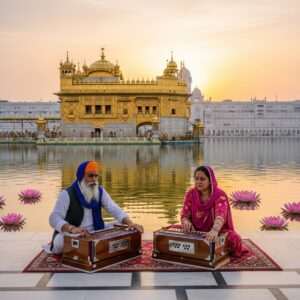
- Continuous Gurbani Kirtan: From the early hours until late at night, the air is filled with the melodious and soul-stirring recitation of Gurbani. Sitting by the Sarovar and listening to these hymns is a form of meditation in itself.
Seva and Langar: The Joy of Giving
No visit to Amritsar is complete without experiencing the Guru Ka Langar, the world’s largest free community kitchen. Every day, approximately 100,000 visitors are fed simple, nutritious vegetarian meals, regardless of their background. We encourage you to not just eat, but to participate. Rolling rotis, serving dal, or washing dishes alongside strangers builds a sense of community that is rare in today’s fast-paced world.
Before entering the main sanctum to pay obeisance, it is customary to bathe in the Amrit Sarovar. There are separate, enclosed bathing areas for men and women to ensure privacy. Devotees believe that dipping in these waters with a pure heart cleanses the soul and washes away heavy burdens.
Accommodation: Where to Stay in 2026
Finding the right place to rest is crucial for a comfortable pilgrimage. Amritsar offers a wide range of options, from simple Niwas run by the temple authorities to private hotels. For those interested in historical context and pilgrim-specific stays, there are excellent guides available.
If you are looking for specific pilgrim accommodations, you might find our guide on Guru Har Rai Yatri Niwas very helpful for planning your stay. Additionally, for those seeking proximity to the sanctum, checking out the details on Guru Hargobind Niwas can provide you with excellent options for your 2025-26 visit. Recently, the Haryana Sikh Gurdwara Management Committee (HSGMC) also announced plans for a new serai, ensuring that accommodations continue to expand for the growing number of devotees.
Exploring Beyond the Temple
While the Golden Temple is the primary focus, the city of Amritsar is a treasure trove of history and culture. To make the most of your trip, you should explore the heritage that surrounds the shrine.
- Jallianwala Bagh: Located just 500 meters away, this public garden houses a memorial of national importance, established in 1951 to commemorate the massacre of peaceful celebrators in 1919. It is a solemn reminder of the price of freedom.
- The Wagah Border: Situated about 28 km away, the daily Beating Retreat ceremony at the India-Pakistan border is a high-energy display of patriotism that every Indian should witness at least once.
- Historical Religious Sites: For those who wish to deepen their understanding of Sikh history, we recommend you plan your Guru Arjan Dev Ji historical sites trip to connect with the legacy of the fifth Sikh Guru who built the Golden Temple.
Enhancing Your Spiritual Journey with Poojn.in
At Poojn.in, we understand that a pilgrimage begins long before you step on the train or flight; it begins in the heart. While we do not organize travel tours, VIP entries, or booking services, we are dedicated to enriching your spiritual practice through our authentic collection of cultural goods.
Preparing for a visit often involves gathering the right essentials. Whether you are looking for traditional attire that respects the sanctity of the temple or seeking spiritual items to maintain the energy of your pilgrimage once you return home, our online store is at your service. You can even bring a piece of the divine home; browse our collection of Holy Food and offerings to share the blessings with your loved ones.
Note: We strictly specialize in providing high-quality cultural and religious products. We do not offer travel agency services or special darshan tickets.
Common Queries for the Devotee
When is the ideal time to plan a visit?
To enjoy the spiritual walk around the Sarovar without the intense heat, the months between October and March are most favourable. The weather is pleasant, allowing you to spend hours within the complex comfortably.
What should I wear to the Golden Temple?
Respect and modesty are key. Both men and women must keep their heads covered at all times within the complex. It is best to wear comfortable, modest clothing. If you do not have a head covering, scarves are usually available at the entrance, but bringing your own personal scarf or handkerchief is always a good practice.
Are mobile phones and cameras allowed?
While you can take photos in the outer majestic Parikrama area, photography is generally prohibited inside the actual Golden Temple sanctum to maintain the sanctity of the prayers. It is requested to keep your mobile phones on silent mode to respect the meditation of fellow pilgrims.
Is the Langar really free for everyone?
Yes, absolutely. The community kitchen serves free vegetarian meals to all visitors 24 hours a day. It is a divine experience of equality where everyone sits on the floor in lines (Pangat) and eats the same food, symbolizing universal brotherhood.
As you prepare for your sacred journey to Amritsar in 2026, let the anticipation of peace fill your heart. May your visit to Sri Harmandir Sahib be blessed and transformative. For all your puja samagri and cultural needs, remember that Poojn.in is just a click away, ready to serve you with authenticity and devotion.