


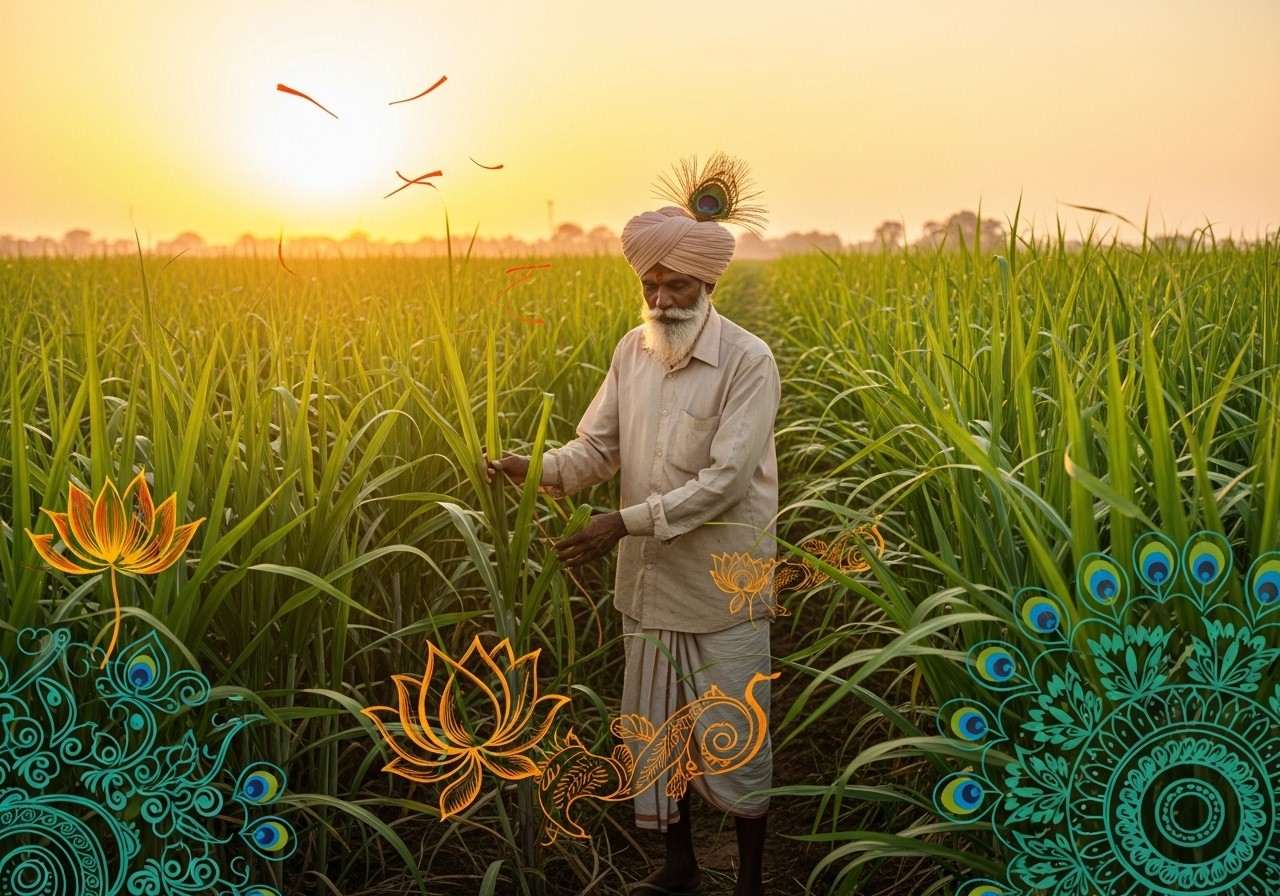
In the heart of India’s agricultural tapestry, sugarcane (Ganna or Ikshu) is far more than just a commercial crop; it is a revered symbol of life, sweetness, and prosperity. From the joyous harvest festivals of Pongal and Makar Sankranti to the rigorous devotion of Chhath Puja, sugarcane stands tall as an essential offering to the divine. For our farming communities, cultivating this crop is an act of devotion, blending economic necessity with deep-rooted cultural sentiments. However, ensuring a bountiful harvest requires vigilance, particularly against pests that threaten the sanctity and yield of the fields. Today, many custodians of the land are looking back at our heritage, embracing environmentally friendly methods and traditional wisdom to protect this sacred grass, moving away from a heavy reliance on harsh chemicals.
Understanding the Threats: Common Sugarcane Diseases
Every farmer knows the heartbreak of seeing a healthy field succumb to disease. Among the most dreaded is Red Rot (Lal Sadan Rog), a fungal infection that silently hollows out the cane. The stalks discolor, and when split open, they reveal distinct red streaks accompanied by a sour, alcoholic smell. This not only destroys the quality of the juice but leads to significant economic setbacks.
The wisdom passed down through village elders emphasizes that early detection is the best defense. Farmers are encouraged to regularly inspect their fields for yellowing leaves or withering stalks. Traditional community knowledge suggests that crop rotation—planting a different crop in the season following sugarcane—can break the cycle of infection. Furthermore, selecting disease-resistant varieties is a proactive step that our ancestors championed, ensuring that the seed itself carries the strength to fight off ailments.
Ancient Wisdom Meets Modern Science: Pest Management Strategies
To honor the earth and the crop, traditional pest management strategies have evolved into a comprehensive approach known today as Integrated Pest Management (IPM). This involves a harmonious blend of cultural, biological, and careful chemical controls to maintain the ecological balance of the farm.
1. Cultural Practices: Healing the Field
Cultural control is about adjusting the environment to make it uncomfortable for pests. These are practices often ingrained in the daily rhythm of farm life:
- Detrashing and Trash Mulching: This involves removing the dry, lower leaves (detrashing) to eliminate hiding spots for pests. Using this trash as mulch helps conserve soil moisture and suppresses weeds, creating a cleaner environment for the cane to thrive.
- Earthing-up: By piling soil up around the base of the plant, farmers can anchor the cane more securely and disrupt the lifecycle of borers. It is a simple yet effective technique that strengthens the plant physically and defensively.
2. Biological Control: Nature’s Warriors
Nature has its own way of maintaining balance if we allow it. Indian farmers are increasingly turning to biological control, which uses nature’s own predators to fight pests:
- Beneficial Insects: Releasing natural enemies like Trichogramma (a tiny wasp) can effectively control borer populations without a single drop of poison. Ladybugs and other predators also play a crucial role in eating up aphids and other soft-bodied pests.
- Neem and Intercropping: The neem tree is India’s gift to agriculture. Neem oil is a potent, natural repellent that disrupts the feeding and breeding of pests. Additionally, planting marigolds or coriander between sugarcane rows can confuse pests and repel them naturally.
The Spiritual Connection: Healthy Crops for Holy Rituals
The effort to maintain a pest-free crop goes beyond economics; it is about maintaining purity for our rituals. During Makar Sankranti or Pongal, the sugarcane offered to the Sun God must be flawless. A healthy crop yields the finest jaggery (Gur), used to make the sweet Pongal dish or Til-Gur laddus. When we share these sweets, we share the health and prosperity of the land. It is our collective responsibility to ensure that the sugarcane we offer to the deities and our families is grown with respect for nature, preserving the soil for the generations of farmers yet to come.
Invite Purity into Your Home with Poojn.in
Just as a farmer purifies the field to ensure a good harvest, we must purify our homes and prayer spaces to invite positive energy. Poojn.in stands out as the premier destination for cultural goods in India, helping you maintain the sanctity of your rituals with authentic products.
While we do not offer travel packages or VIP temple darshan, we specialize in bringing the essence of Indian spirituality to your doorstep through high-quality goods:
- Sacred Ash (Vibhuti): Essential for daily prayers and often used in rituals to invoke protection. You can find authentic Vibhuti at Poojn.in to purify your surroundings.
- Premium Incense Sticks: Create a calming and protective atmosphere in your puja room, similar to how traditional smoke is used to cleanse fields. Explore our aromatic collection at Poojn.in.
- Cow Dung Cakes: A staple in Homa and Havan ceremonies for their purifying properties, mirroring their traditional use in village agriculture. We provide high-quality, pure cow dung cakes for your sacred fires.
Experience the convenience of shopping for your cultural roots online. For any inquiries about our products, feel free to call us at 03369029784 or message us on WhatsApp at 9476142738.
Common Questions on Sugarcane Care
How do farmers identify Red Rot in their fields?
Farmers usually look for warning signs like the yellowing and drying of leaves, starting from the top. When the cane is split open, a tell-tale red discoloration with white cross-bands is visible, often accompanied by a distinct fermented or sour smell indicating the rot has set in.
What are some effective natural remedies for sugarcane pests?
Beyond chemical sprays, farmers rely on nature’s own toolkit. Spraying neem oil is very effective as an insect repellent. Additionally, intercropping with plants like marigold helps deter pests, while using biological agents like the Trichogramma insect helps control borer infestations naturally.
Why is field hygiene considered a pest control method?
Practices like detrashing (removing dry lower leaves) and removing infested stubble after harvest are crucial. These actions remove the hiding and breeding grounds for pests, breaking their lifecycle and preventing the infestation from carrying over to the next season.
Can traditional methods work alongside modern farming?
Absolutely. This approach is called Integrated Pest Management (IPM). It combines traditional wisdom—like deep summer ploughing and hand-picking beetles—with modern biological controls and judicious use of chemicals only when necessary, offering a sustainable path forward.
Harvesting a Prosperous Future
By blending the time-honored traditions of our ancestors with modern agricultural science, Indian farmers are securing a future where the sacred sugarcane continues to thrive. These sustainable practices not only protect our environment but also ensure that the jaggery we eat and the cane we offer in prayer remain pure. At Poojn.in, we celebrate this deep connection between culture, nature, and devotion, bringing you the finest goods to keep your traditions alive.