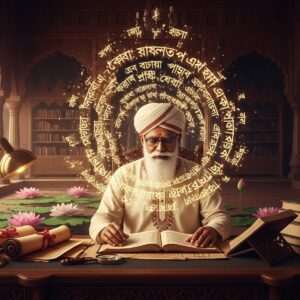

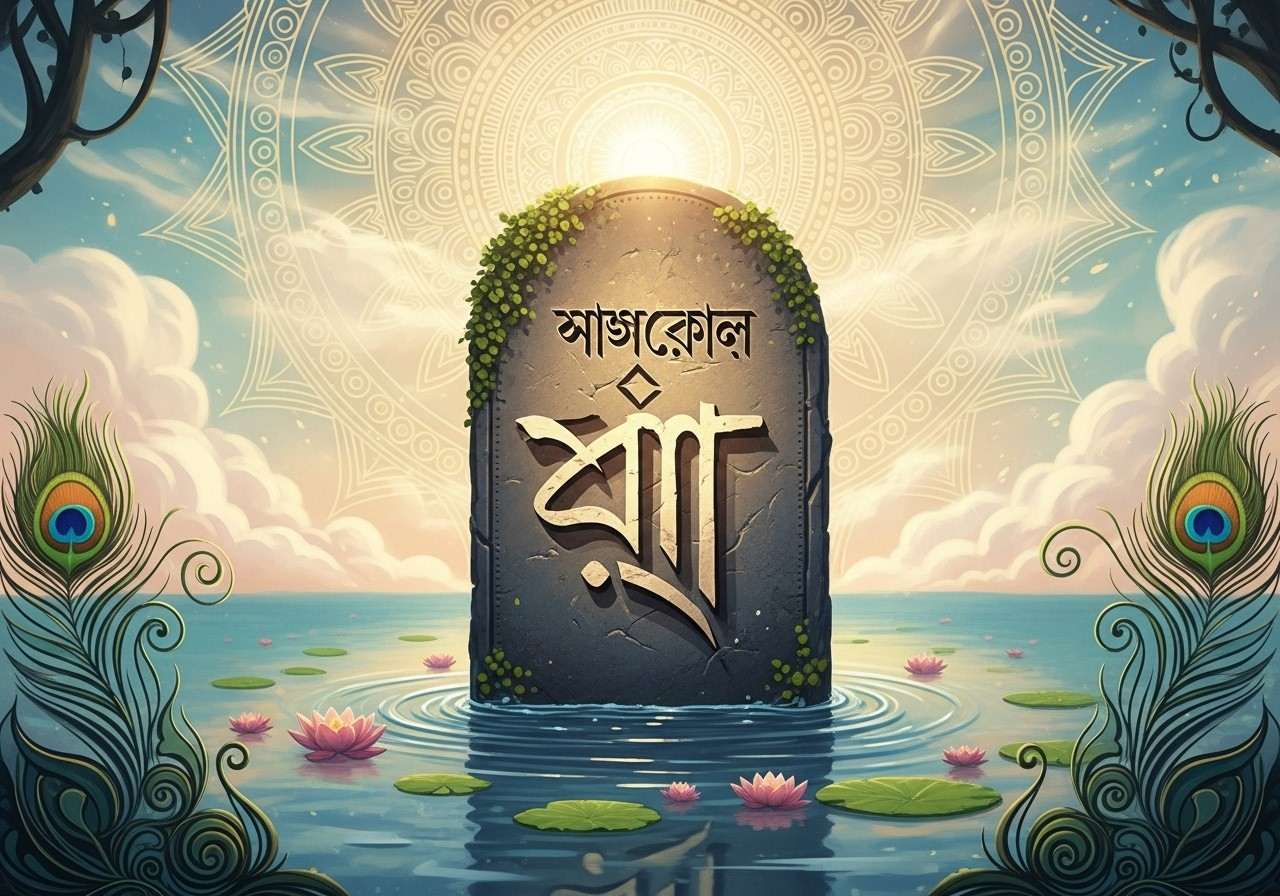
The rich tapestry of our Indian heritage is beautifully woven with diverse languages and traditions. Among these, the writing system of Bengal stands as an ancient and culturally profound treasure. This script is much more than a mere medium of communication; it is a profound symbol of identity for millions, deeply intertwined with our shared history. Historically utilized to document sacred Sanskrit texts, this beautifully flowing text has gracefully evolved over centuries. Unlocking the components of this language—its sonorous vowels, rhythmic consonants, and expressive diacritics—feels akin to opening a doorway to the timeless wisdom and vibrant stories of our ancestors.
The Foundational Architecture of the Bangla Alphabet
To truly appreciate this ancient writing system, one must look at its foundational structure. Ranked as the 5th most commonly used writing system in the world, its architecture is both logical and spiritually resonant. It is designed as an abugida, a unique type of writing where consonants are the primary letters, and vowels are treated as secondary modifiers. This framework gives the language a deeply rhythmic and flowing phonetic quality.
- A Comprehensive Set of Characters: The alphabet is composed of 50 fundamental letters, ensuring an extensive phonetic range. This vast array of characters allows for a deeply nuanced expression of emotion and thought, making it a favorite for legendary poets and scholars.
- Direction and Casing: Unlike Western languages, this script is written seamlessly from left to right without any distinction between upper and lower case letters. This uniform flow creates a visual harmony on the page, reflecting the egalitarian nature of our cultural philosophies.
- The Guiding Horizontal Line (Matra): A defining visual characteristic of these letters is the continuous horizontal line resting at the top of most characters. This line, also called a matra, acts as a guiding thread that binds words together, giving the text a beautifully structured and grounded appearance.
Swarabarna: The Melodic Vowels of the Script
In the heart of this literary tradition lie the vowels, natively known as স্বরবর্ণ (Swarabarna). These sounds provide the soul and melody to spoken and written words. There are exactly 11 vowel letters, and their application is a testament to the sophistication of our linguistic heritage.
- Independent and Dependent Forms: Vowels possess a fascinating dual nature depending on their placement. When a vowel appears at the very beginning of a syllable, it uses its independent, standalone form. However, when following a consonant, it transforms into a dependent marker known as a “kar.”
- The Universal Inherent Vowel: One of the most beautiful aspects of an abugida is the default vowel sound. The vowel ‘অ’ (ô) serves as the inherent sound for every single consonant. Unless modified by another marker, every consonant naturally carries this subtle, resonant sound.
- Silencing the Vowel: When the phonetic structure requires a consonant to stand purely on its own without the inherent ‘ô’ sound, a special diacritic is used. This marker, known as the virama or ্ (hôsôntô), gracefully mutes the default vowel, allowing for crisp, distinct pronunciations.
Byanjanbarna: The Rhythmic Consonants
The strength and rhythm of the language come from its consonants, known as ব্যঞ্জনবর্ণ (Byanjanbarna). These characters form the structural backbone of every word, syllable, and sentence.
- A Vast Array of Sounds: There are 39 distinctive consonant letters in this script, though a few traditional sources occasionally reference 32. These characters cover a broad spectrum of aspirated and non-aspirated sounds, ensuring that every subtle phonetic nuance is accurately captured and conveyed.
- Syllabic Harmony: Each consonant letter intrinsically represents a full syllable comprising the consonant sound followed by the inherent ‘ɔ’ vowel. For instance, the beloved letter ক can represent the pure consonant “k” or the full, rich syllable “kɔ”, showcasing the language’s incredible efficiency.
- The Art of Conjuncts (Juktakkhôr): Demonstrating the true flexibility of the language, up to four consecutive consonants can be elegantly woven together into a single conjunct ligature. In these complex যুক্তাক্ষর (juktakkhôr) combinations, the characters merge visually, with only the final consonant retaining its full syllabic weight.
The Magic of Vowel Signs and Diacritics
While consonants provide the structure, the dependent vowel signs—often called matras or kars—infuse the words with specific meaning and emotion. These diacritical marks are absolute essentials for anyone seeking to master the reading and writing of this regional literature.
Every single vowel, with the sole exception of the inherent ‘অ’, boasts its own unique corresponding sign. These markers artistically attach to consonants—appearing above, below, before, or after the main letter—to completely transform the inherent sound. For example, when the consonant ক (kô) embraces the vowel sign া (a), it beautifully blossoms into কা (ka). This intricate dance between consonants and vowel signs creates a rhythmic and precise phonetic system.
Furthermore, the script has comfortably adopted Western punctuation marks, seamlessly blending ancient tradition with modern readability. The traditional numeral system also remains intact, utilizing ten beautifully curved digits (0-9) that add another layer of cultural authenticity to daily calculations and dates.
How Poojn Can Help Nurture Your Cultural Roots
Exploring this ancient writing system is a deeply rewarding journey that connects you straight to the heart of our vibrant traditions. At Poojn.in, we understand the profound importance of preserving and passing down our rich cultural heritage to future generations.
To support your cultural journey, our online store offers an authentic selection of cultural goods that can beautifully complement your exploration of traditional languages. Whether you are looking to immerse yourself in the spiritual texts of our ancestors or seeking meaningful ways to practice traditional writing at home, we provide items that resonate with your heritage.
For those eager to practice the elegant curves of these letters, writing with proper traditional materials can elevate the entire experience. From culturally inspired stationery to authentic ritual items that create a peaceful learning environment, Poojn.in ensures you have the finest cultural goods delivered right to your doorstep.
To explore our carefully curated collection of authentic cultural items, we warmly invite you to visit https://www.poojn.in/. Should you have any inquiries or need assistance selecting the perfect cultural goods for your home, please do not hesitate to contact us directly at 03369029784. You can also conveniently reach our dedicated team via WhatsApp at 9476142738 for personalized guidance and support.
Embracing Our Timeless Heritage
Immersing yourself in this historic alphabet is like holding a precious key to a living, breathing tradition. As you trace the elegant horizontal lines and memorize the harmonious conjuncts, you are actively participating in the preservation of our cultural soul. Understanding this intricate system empowers you to appreciate the immense depth of regional literature, spiritual scriptures, and traditional arts.
Whether you are teaching these beautiful characters to your children or revisiting them to deepen your own spiritual and cultural connection, the endeavor is profoundly enriching. Let us continue to honor our past by keeping these ancient traditions alive, proudly weaving them into the very fabric of our modern lives.
Frequently Asked Questions About the Ancient Alphabet
How many basic letters are contained within this regional script?
The comprehensive alphabet is composed of exactly 50 fundamental letters. This well-structured system harmoniously includes both the melodious vowels and the rhythmic consonants required to build words.
What exactly are the vowels called in this language, and how many exist?
The melodious vowels are traditionally referred to as “Swarabarna,” and there are exactly 11 of them in the standard script. Each of these letters carries a highly distinct phonetic sound and visual shape, contributing heavily to the lyrical nature of the language.
How many consonants make up the foundation of the writing system?
The consonants, culturally known as “Byanjanbarna,” form the robust majority of the alphabet, totaling 39 distinctive letters. These foundational characters are absolutely essential for establishing the structural framework of any written word.
How do the vowel modifiers function when writing words?
Dependent vowel markers, commonly known as kars, are specialized diacritical symbols used to instantly change the inherent sound of a consonant. They elegantly attach themselves to the primary letters—sometimes above, below, or alongside—to precisely alter the pronunciation and meaning of a syllable.
Are the vowels ever used completely on their own?
Absolutely, the vowels can certainly be used independently in written text. Whenever a syllable begins with a vowel sound rather than a consonant, the standalone, independent form of that specific vowel is proudly utilized.
What is the purpose of the horizontal line seen on top of the letters?
The continuous horizontal line, beautifully known as the matra, is a distinct visual feature resting atop most of the characters. It serves as a visual anchor that connects the letters of a word together, providing a neat, organized, and deeply traditional aesthetic to the written text.
How are complex blended sounds represented in writing?
When multiple consonant sounds blend together without any vowels between them, the language uses beautifully intricate conjuncts known as “juktakkhôr.” Up to four consecutive consonants can seamlessly merge into a single visual character, showcasing the incredible artistic flexibility of the alphabet.