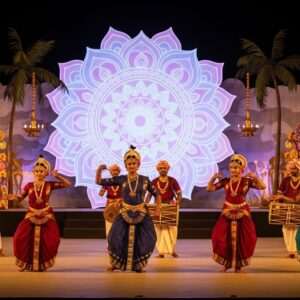


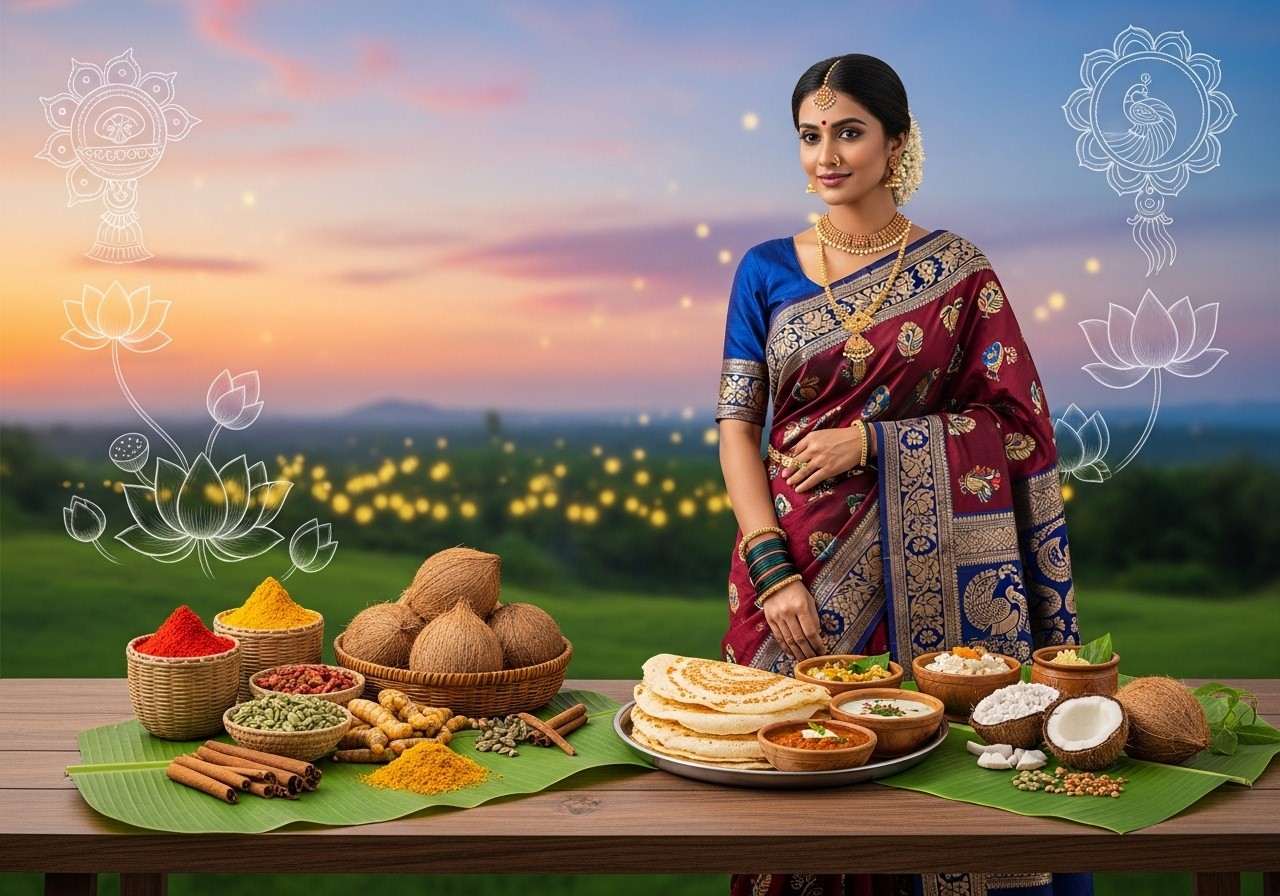
Our beautiful nation is a vibrant mosaic of deeply rooted traditions, and the coastal stretches of Karnataka and parts of Kerala hold a particularly special place in this cultural tapestry. The regional culture here beautifully weaves together historical influences, ancient Dravidian roots, and the rich impacts of maritime trade. These time-honored customs continue to thrive today, offering families a magnificent blend of traditional wisdom and modern lifestyle adaptations. As we explore this heritage, we gain a deeper appreciation for the harmony between our past and present, a connection that feels both warm and deeply reassuring.
A Feast for the Senses: Coastal Culinary Delights
In this coastal paradise, food is much more than mere sustenance; it is a profound celebration of life, family, and community. The regional cuisine is incredibly diverse, with each community proudly holding onto its own special recipes passed down through generations of devoted mothers and grandmothers. Heavily influenced by the broader South Indian culinary landscape, the food is defined by staple ingredients like rice, fresh coconut, and aromatic curry leaves, with many dishes boasting a beautifully spicy and soul-warming flavor profile.
- Non-Vegetarian Treasures: The coastal belt is widely celebrated for its robust and fiery non-vegetarian offerings that bring families together on special occasions. Signature delicacies such as Kori Rotti (a famously spicy chicken curry lovingly poured over perfectly crispy rice wafers), the rich and indulgent Chicken Ghee Roast, and the tangy Bangude Pulimunchi (silver-grey mackerels cooked to perfection) are absolute staples. Additionally, everyday favorites like Chicken Sukka (a dry, intensely aromatic chicken dish) and the classic Mangalorean Fish Curry showcase the region’s incredible mastery of vibrant coastal spices.
- Vegetarian Classics: For those seeking wholesome, plant-based meals, the region offers an equally magnificent spread, prominently featuring the globally beloved Udupi cuisine, which relies on deeply nourishing grains, pulses, fruits, and fresh vegetables. Daily comfort foods include Neer Dosa (delicate, lacy, and incredibly thin rice crepes) and Patrode (nutritious colocasia leaves expertly stuffed with a paste of rice, dal, jaggery, coconut, and spices). To complete the experience, snacks like Goli Baje (the famous Mangalore bajji) serve as the ultimate, soul-satisfying tea-time indulgence that brings joy to everyday afternoons.
Unique local spices, along with a deep respect for seasonal ingredients, elevate these recipes into truly unforgettable meals. Furthermore, vibrant community gatherings, such as the renowned Saras Fair, play an instrumental role in preserving and celebrating these treasured culinary traditions, ensuring our children grow up savoring the authentic tastes of their homeland.
Threads of Tradition: Regional Clothing
Just as the food tells a story of the fertile land, the traditional attire beautifully reflects the rich heritage and unique regional identity of the people. Clothing here is a living canvas of culture, seamlessly bridging ancient history with ongoing, joyous festival celebrations.
- Graceful Women’s Attire: The saree remains the quintessential and deeply revered traditional attire for women across the region. Women often drape themselves in magnificent, culturally significant textiles, which are widely admired for their intricate patterns and strikingly vibrant colors. When adorned with auspicious jewelry like traditional heirloom necklaces and heavy, beautifully crafted bangles, these sarees become true symbols of spiritual grace, family honor, and timeless femininity.
- Historical Men’s Attire: Traditional dress for men has a fascinating, ancient history deeply tied to the land. In its most historical and indigenous form, the traditional dress for men consists of animal skins and feathers. Interestingly, the kind of skins worn indicates the status of the person wearing them, serving as a powerful visual marker of one’s social standing and a profound connection to the region’s ancient tribal heritage. Today, however, during religious events and cultural ceremonies, men typically opt for simple, pure cotton dhotis that reflect humility and devotion to the divine.
Your Trusted Partner for Authentic Cultural Goods
As we strive to keep these magnificent traditions alive in our modern homes, having the right authentic elements makes all the difference. At Poojn.in, we are deeply dedicated to providing you with the finest cultural items that honor and celebrate our shared Indian heritage. Whether you are looking to recreate the magic of coastal cooking or partake in sacred traditional rituals, our comprehensive online store offers exactly what you need to stay connected to your roots.
Please remember: Our absolute focus is on bringing you tangible, high-quality cultural products. Poojn.in does not provide travel packages or tour guidance, and we do not offer VIP darshan of temples. We exclusively sell authentic cultural goods through our online store. From traditional cookware designed specifically for Indian recipes to premium dress materials and complete, spiritually pure puja kits for your daily practices, we ensure authenticity and convenience are delivered right to your doorstep. You can easily shop for these sacred essentials by visiting Poojn.in.
Embracing the Future While Honoring the Past
In our increasingly connected world, globalization has naturally touched these coastal traditions, inspiring innovative adaptations while beautifully preserving their core essence. Today’s regional cuisine gracefully embraces modern fusion trends, introducing global palates to our traditional coastal techniques without losing its soul. Through digital platforms and social media, these precious heirloom recipes and eco-friendly, sustainable fashion choices are gaining incredible visibility and respect worldwide.
This journey is not merely about preserving a bygone era; it is about actively celebrating our identity and carrying it forward with immense pride. The resilience of our coastal communities ensures that the beautiful balance between tradition and modernity will continue to bless future generations.
Frequently Asked Questions
What is the traditional food of this coastal region?
The regional food is a deeply flavorful blend of coastal ingredients and ancient culinary wisdom. It includes beloved staples like delicate Neer Dosa, fiery Kori Rotti, and wholesome Patrode, which are cherished by families for their unique, comforting taste and authentic textures.
What kind of dress is typically worn during local celebrations?
Traditional regional attire carries immense grace and history. Women predominantly wear beautiful, brightly colored sarees that reflect joy and purity, while men traditionally wore distinct historical garments, though today they prefer elegant, simple dhotis. These garments beautifully showcase the vibrant, living heritage of the community during festivals.
What are some popular dishes that define the local cuisine?
The culinary landscape is globally celebrated for iconic dishes like Kori Rotti (a flavorful chicken curry served with crisp rice wafers), Neer Dosa (light and thin rice pancakes), and Patrode (expertly stuffed colocasia leaves). Every single bite reflects the abundant coastal harvest and the love of the person cooking it.
Why is this coastal culinary tradition considered so unique?
The true uniqueness stems from the masterful combination of freshly sourced coastal ingredients—like abundant coconut, local fish, and fiery spices—prepared using time-honored cooking methods. This results in a deeply satisfying array of flavors that are both incredibly diverse and deeply nourishing for the soul.
What is the significance of wearing sarees in the local culture?
Sarees hold profound cultural and spiritual significance for women in this region. They are not merely clothing but powerful symbols of grace, femininity, and continuity, proudly worn during pivotal life moments, vibrant festivals, and sacred ceremonies.
How does the Saras Fair celebrate the regional cuisine?
The vibrant Saras Fair acts as a grand, joyful celebration of the region’s rich culinary roots. It highlights an extensive variety of traditional dishes, offering visitors an authentic taste of the community’s diverse flavors and ensuring these precious family recipes are lovingly preserved for the youth.
What are the essential, staple ingredients used in everyday meals?
Everyday home cooking relies heavily on fresh, locally grown staples. Abundant coconut, aromatic curry leaves, daily rice, and fiery local spices are the absolute foundation of the diet, deeply reflecting the bountiful coastal environment and our deep connection to Mother Nature.
How does the regional dress style stand out from other areas?
The distinctiveness of the regional attire lies in its deep adherence to cultural aesthetics and historical roots. The specific weaving patterns of the sarees for women and the deeply symbolic historical garments for men reflect a profound socio-cultural identity that has been proudly maintained through generations.