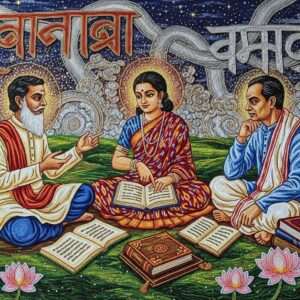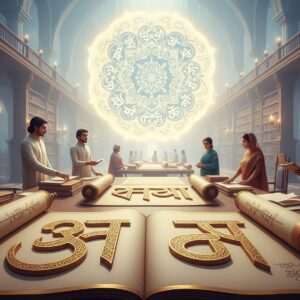

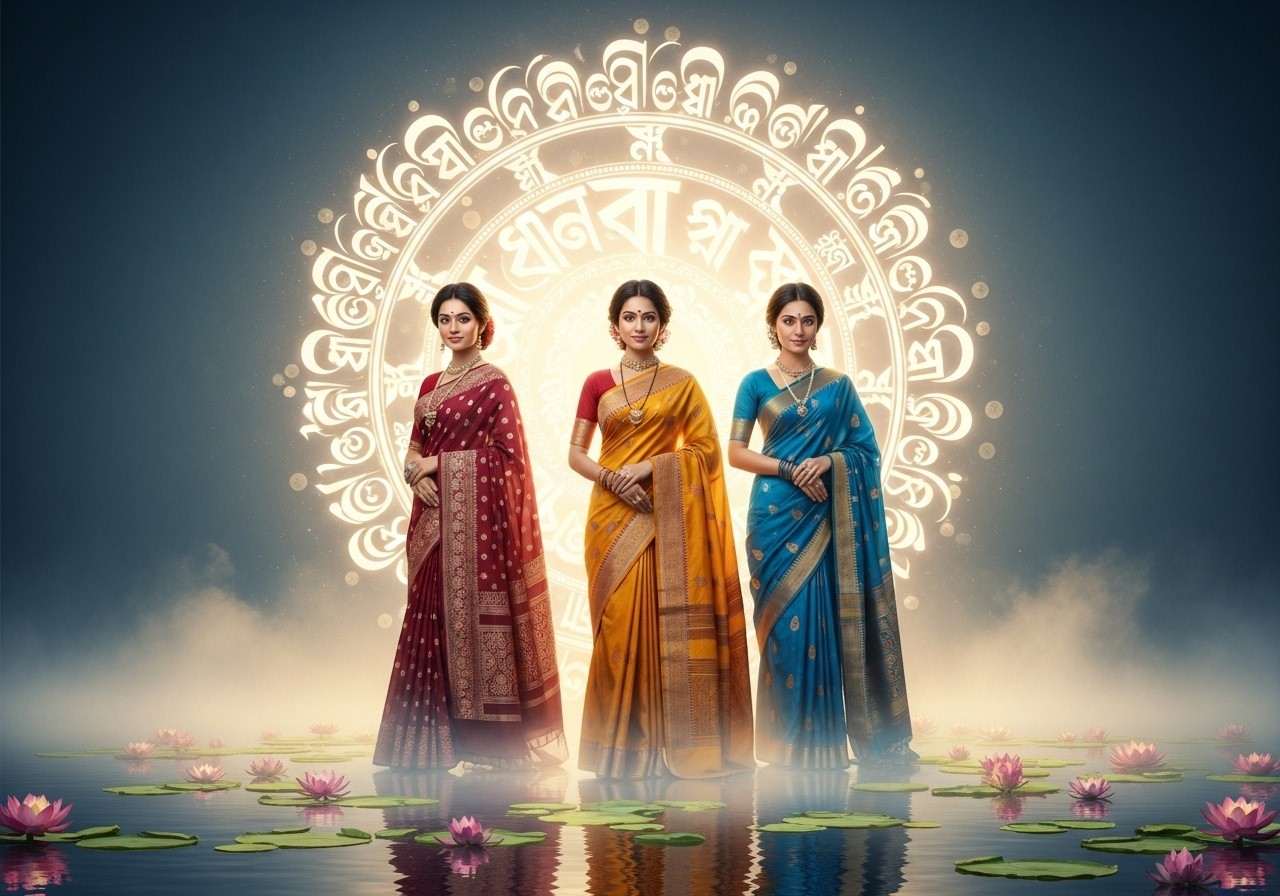
The beautiful writing systems of Eastern India hold a special place in our hearts, serving as much more than mere vehicles for communication. Rooted deeply in our ancient traditions, these scripts reflect a profoundly shared heritage and the vibrant linguistic diversity of our homeland. By exploring their historical evolution and visual similarities, we gain a deeper appreciation for their vital role in preserving our rich cultural identity and traditions across generations.
Tracing the Historical Roots
The remarkable journey of these regional writing systems begins with the ancient Brahmi script. Through centuries of historical shifts, they evolved significantly from the Gaudi script, which can be intimately traced back to the Eastern Indo-Aryan language family and Magadhi Prakrit. This foundational script greatly influenced the traditional writing styles across Bengal, Odisha, and Assam.
During the glorious eras of regional kingdoms, particularly the Pala and Sena dynasties, widespread linguistic and cultural exchanges nurtured a deeply shared identity among eastern communities. It was around the 14th and 15th centuries that these modern eastern alphabets finally began to differentiate into the beautifully distinct, yet interconnected, forms we recognize and revere today.
Visual and Structural Parallels
When you look closely at these regional alphabets, their structural resemblances are truly a feast for the eyes. Their consonant and vowel arrangements stem from deeply shared roots, and their elegant aesthetic curves reveal a deeply intertwined ancestry. The essential ‘virama’ remains a significant structural component across these languages, helping to gracefully form complex consonant clusters.
- A Unified Historical Ancestry: All three writing systems evolved from the Gaudi and Brahmi scripts, maintaining a wonderful underlying structural harmony. This enduring historical connection clearly dictates how consonants and vowels interact so harmoniously in their modern forms.
- The Closeness of Bengal and Assam: The visual characters used in Bengali and Assamese are incredibly alike, making them almost mutually intelligible to the untrained eye. However, the Assamese alphabet distinguishes itself by proudly featuring at least one extra letter that does not exist in Bengali.
- The Unique Odia Curve: While maintaining strong foundational ties with its sister languages, the Odia alphabet took a distinctive visual path by developing a beautifully curved top during the 13th and 14th centuries. This practical and necessary adaptation ingeniously prevented the tearing of delicate palm leaves when traditional scholars wrote with sharp styluses.
The Beautiful Resonance of Dhvani and Shared Linguistics
Our eastern languages beautifully weave together shared linguistic threads that continue to echo through modern times. A central element here is the concept of ধ্বনি (dhvani), which intimately refers to sound. Because of this shared phonetic foundation, the pronunciation of countless everyday words remains remarkably similar across these neighboring states.
Furthermore, an abundance of Sanskrit-derived vocabulary flows seamlessly through these languages, standing as a testament to centuries of rich cultural exchange. Their sentence structures and grammatical rules harmonise perfectly, creating an undeniable syntactical unity. Over generations, regional dialects infused these alphabets with local flavor, while beautifully shared themes in our timeless poetry and prose continue to foster an unshakeable linguistic bond.
Deep-Rooted Cultural Significance
In our traditional Indian households, these writing systems hold immense cultural and spiritual weight. They are the sacred vessels that diligently preserve the authentic rituals, traditional folklore, and deeply held beliefs unique to each eastern region. Whether we are reading sacred religious texts or singing devotional hymns, these traditional letters powerfully enhance our spiritual connections to the divine.
Beyond the spoken and written word, speakers of these tongues share an intimate geographical and emotional proximity. Our beautifully intertwined cultural connections shine brightly through vibrant regional art forms, joyous festive celebrations, and even our comforting, traditional food habits. Today, these regional alphabets remain a soaring beacon of our collective belonging and immense cultural pride.
Honoring Tradition with Authentic Offerings
Discovering the beautiful similarities between these eastern languages often inspires a deep, soulful yearning to reconnect with our ancestral roots and traditional practices. At Poojn.in, we offer an extensive array of culturally rooted goods that wholeheartedly celebrate these magnificent Indian traditions.
Whether you are performing a daily aarti or preparing for a grand festive ceremony, you can find the most authentic, high-quality ritual items essential for your spiritual needs. Our carefully curated selections feature traditional puja kits, fragrant incense sticks, and beautifully crafted decorative items that truly reflect the divine heritage of Eastern India. We strictly focus on providing authentic cultural goods to enrich your spiritual practices right from the sanctity of your home.
Shopping with us brings the traditional marketplace directly to your fingertips, seamlessly bridging the gap between ancient devotion and modern convenience. You can effortlessly explore our online store and have your sacred items delivered safely to your doorstep. We are deeply committed to maintaining the uncompromising authenticity and pure quality you rightfully expect from India’s biggest online Dashakarma bhandar. For any heartfelt assistance or guidance regarding our cultural products, please feel free to call us at 03369029784 or reach out on WhatsApp at 9476142738.
Thriving in the Modern Digital Era
As we thoughtfully navigate today’s fast-paced digital landscape, these sacred eastern scripts continue to hold their ground beautifully. Adapting our traditional characters for online platforms certainly presented unique challenges, but it also sparked incredible technological innovation. Unicode standardization has been an absolute blessing, ensuring our beloved regional alphabets can be used flawlessly across the global digital world.
Countless modern digital initiatives now passionately promote script literacy, ensuring our ancestral languages are never lost to the sands of time. Vibrant social media platforms and deeply dedicated online communities continuously raise awareness, gently encouraging the younger generation to proudly read, write, and deeply appreciate the profound beauty of their mother tongues.
A Timeless Legacy
These majestic eastern alphabets stand tall as vibrant symbols of unity embedded within our nation’s glorious diversity. They beautifully weave a continuous tapestry of linguistic heritage, seamlessly bridging the profound wisdom of our ancestors with the dynamic energy of the present. As we wholeheartedly embrace modern digital advancements, these traditional letters gently remind us of the supreme importance of staying firmly rooted in our cultural pride. They are far more than just ink on a page; they are the living, breathing soul of Eastern India.
Frequently Asked Questions About Our Eastern Scripts
What are the main visual connections between the Bengali and Odia alphabets?
Both of these historic alphabets proudly trace their shared origins back to the ancient Brahmi script. Because of this deeply shared ancestry, numerous characters carry remarkably similar underlying shapes and phonetic sound values, even though Odia gradually adopted a distinctly rounded top over the centuries to perfectly suit traditional manuscript writing.
How closely do the Assamese and Bengali writing systems compare?
The Assamese and Bengali writing systems are wonderfully alike, sharing the exact same foundational script with only incredibly minor visual differences. The most notable distinction is that the Assamese language incorporates at least one specific additional character to perfectly accommodate its unique, beautiful regional pronunciation needs.
Are there overlapping similarities between the Odia and Assamese letters?
Absolutely, the Odia and Assamese letters possess beautiful inherent similarities since they both gracefully blossomed from the identical ancient Brahmi family tree. Despite their intimately shared roots, Odia eventually developed its own distinct, curvy aesthetic heavily influenced by regional geographical needs and traditional palm leaf writing techniques.
Where can one find reliable resources comparing these regional eastern alphabets?
There are abundant educational platforms and cultural resources easily accessible today that thoughtfully place these sacred characters side by side. These helpful comparisons allow language enthusiasts to effortlessly grasp the profound visual similarities and beautifully distinct differences rooted in our shared Indian history.
Why do these specific regional writing systems bear such a striking resemblance to one another?
These regional writing systems look remarkably alike because they lovingly share a profoundly common origin descending from the historical Gaudi and Brahmi scripts. Centuries of closely shared geography, interwoven cultural exchanges, and mutual linguistic influences beautifully molded their wonderfully similar structural aesthetics.
Is it a manageable task to learn the differences between these traditional scripts?
Familiarizing yourself with the differences is genuinely quite an intuitive and rewarding process once you truly understand their shared ancient roots. Because the foundational structures are so intimately connected, gaining heartfelt proficiency in one of these alphabets significantly accelerates your ability to beautifully comprehend the others.
Do these regional writing systems share any profound cultural resonance?
Without a shadow of a doubt, these alphabets are intimately woven into the very spiritual fabric of our eastern cultural heritage. They play an indispensable, sacred role in beautifully preserving our religious texts, generational folklore, and the deeply traditional regional customs that have gracefully evolved over many remarkable centuries.