
India is a magnificent land of boundless diversity, and among its many vibrant threads lies a linguistic gem that resonates deeply with millions. This ancient regional tongue is not just a mode of communication; it is a profound expression of devotion, art, and identity. Spoken by over 90 million people globally, with around 68 million residing in India, it ranks proudly among the top 15 most spoken dialects worldwide. For middle to upper-middle-class families across the country, staying connected to these linguistic roots brings a profound sense of pride, nostalgia, and immense joy.
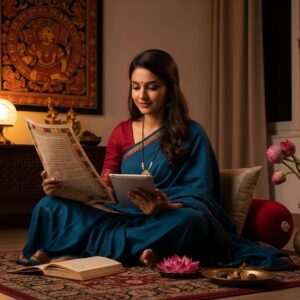
Whether it is listening to soulful morning abhangs or performing festive pujas with loved ones at home, the essence of this rich heritage remains beautifully alive. Today, preserving these ancestral traditions is simpler than ever. Authentic ritual goods are just a seamless click away at https://www.poojn.in, ensuring your family’s customs continue to thrive with absolute purity and devotion.
Tracing the Sacred and Ancient Origins
The journey of this classical dialect is both awe-inspiring and deeply spiritual. It gracefully descended from Maharashtri Prakrit, an ancient phonetic system that flourished across the Indian subcontinent from 300 B.C.E. to 800 C.E.. While it shares a beautiful sisterly bond with Sanskrit, borrowing heavily in terms of sophisticated vocabulary and grammatical structure, its true emergence as a distinct phonetic language began around the 8th century CE.
Historical evidence paints a glorious picture of its past. An inscription found etched in Shravanabelagola, Karnataka, dating back to 983 CE, stands as a monumental testament to its earliest written forms. From majestic stone carvings to sacred copper plates dating back to 1000 C.E., the presence of this mother tongue is beautifully undeniable. Through the ages, the language was nourished by the royal Satavahana and Yadava dynasties, with the latter embracing it as the dominant language of epigraphy during the late 13th and early 14th centuries. Such deep, unshakable historical roots paved the way for a truly momentous occasion in October 2024, when the Government of India officially honored it with the prestigious classical language designation.
Cultural Flourishing and Enduring Legacy
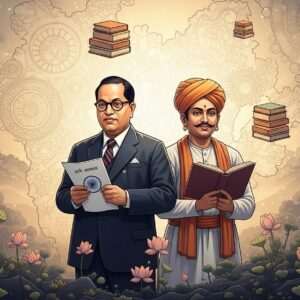
During the medieval era, the language blossomed into a powerful, heart-stirring vehicle for social and spiritual awakening. The revered Bhakti movement revolutionized society, bringing divine knowledge directly to the masses through the timeless verses of beloved saint-poets like Dnyaneshwar, Namdev, Eknath, and Tukaram. Their philosophical masterpieces, such as the sacred Dnyaneshwari, are still affectionately recited in modern homes, filling the atmosphere with deep tranquility, faith, and blessings.
Over the centuries, the dialect graciously absorbed beautiful influences from Persian, Arabic, and Portuguese during the dynamic Sultanate era, expanding its rich expressive range. It also warmly embraced subtle phonetic elements from Dravidian languages like Kannada and Telugu. The glorious Maratha Empire later propelled its widespread administrative and cultural use across the vast Indian subcontinent. Today, it remains the vibrant soul of traditional folk arts like Lavani and Tamasha, proudly serving as the official state language of Maharashtra, gracefully recognized post-independence as a scheduled language of India.
Embracing Cherished Traditions in the Modern Era
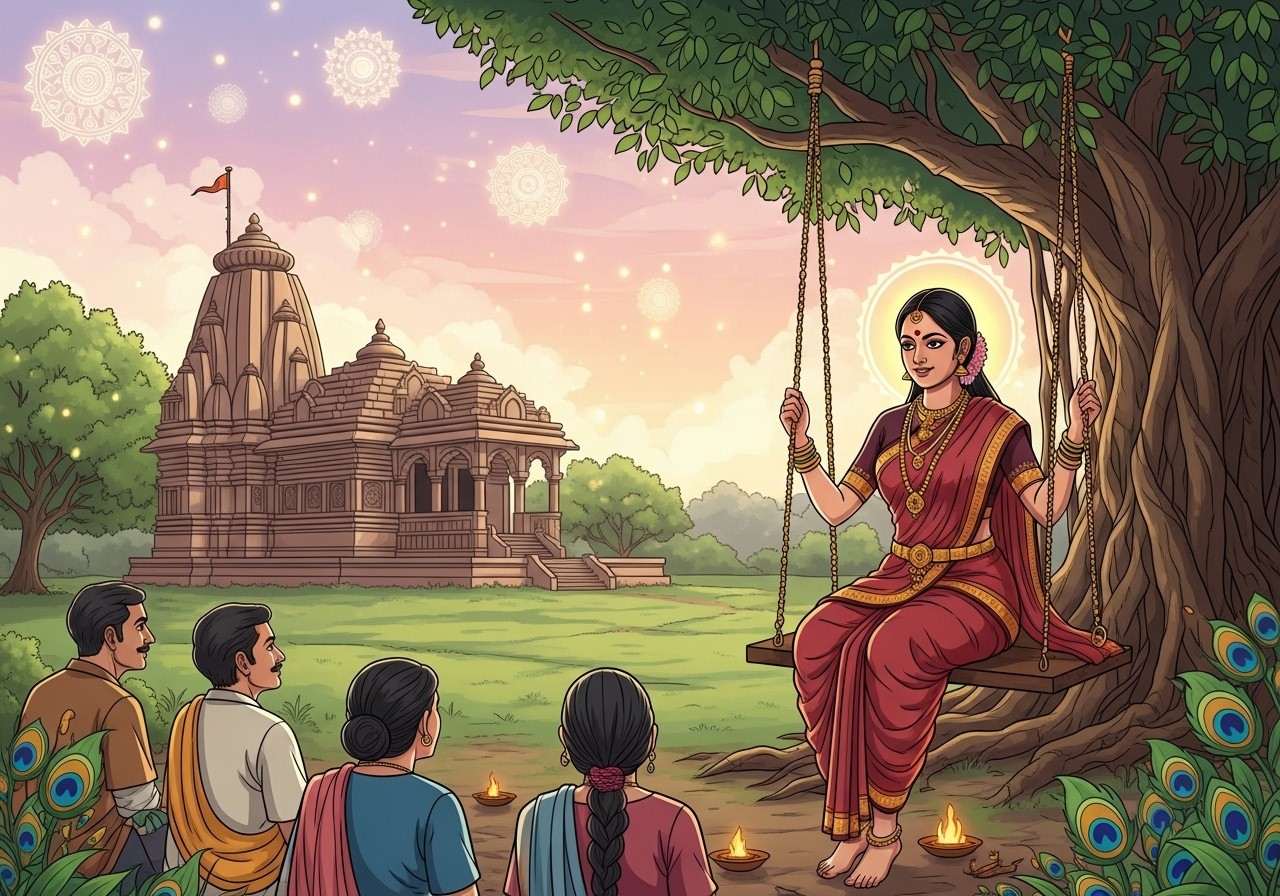
In our fast-paced globalized world, balancing contemporary lifestyles with age-old, soulful values is a top priority for many devoted families. From the publication of the very first regional Indian newspaper, Darpan, in 1832, to modern digital platforms, the language has seamlessly and elegantly adapted to changing times. Yet, the true heart of the culture still lovingly resides in the sacred rituals, the calming fragrance of incense, and the warm, flickering lamps during family festivals.
Please note that we do not offer any travel packages, guided tours, or VIP temple darshan services. Our pure and singular mission is to bring a divine atmosphere directly into your sacred home spaces. By offering pristine, culturally rooted physical items, we empower you to honor your ancestral legacy seamlessly and beautifully.
How Poojn.in Nurtures Your Daily Devotion
Our dedicated platform is lovingly crafted with the utmost respect for India’s incredible spiritual heritage. We understand intimately that finding genuine, unadulterated materials for your daily prayers and grand festivals can be challenging in bustling cities. That is exactly why our online store focuses exclusively on providing the finest cultural goods, allowing you to celebrate your beloved traditions with absolute peace of mind and authenticity.
- Premium Pooja Samagri: We meticulously and ethically source high-quality ritual items required for an array of traditional household ceremonies. From pure turmeric and vibrant kumkum to aromatic, hand-rolled incense sticks, each sacred item is chosen to elevate your spiritual experience and invoke abundant divine blessings in your home.
- Authentic Decorative Elements: Bring the joyous, vibrant spirit of grand festivals right into your living space with our traditional adornments. Our curated collection features beautifully crafted torans, exquisite handmade diyas, and authentic colorful rangoli powders that instantly transform your modern home into a welcoming, sacred haven for the divine deities.
- Regional Literature and Sacred Texts: Immerse your family in the profound, guiding wisdom of the past with our thoughtfully curated selection of spiritual books and scriptures. These profound texts serve as a gentle guiding light, keeping you, your children, and the younger generation profoundly connected to the philosophical and moral roots of our wise ancestors.
When you seek truly authentic cultural products, trust https://www.poojn.in/pooja-samagri to meet your family’s needs with pure devotion and gentle care. For any warm assistance in finding the perfect sacred items for your rituals, you can always reach out to us directly at 03369029784 or send a friendly WhatsApp message to 9476142738.
Frequently Asked Questions About the Ancient Roots of This Classical Tongue
What is the historical origin of this beautiful dialect?
It stems primarily from the ancient Maharashtri Prakrit, which was gently spoken across the Indian subcontinent between 300 B.C.E. and 800 C.E. Gradually, it evolved and established itself as a deeply distinct and beloved vernacular around the 8th century AD, blending seamlessly with the cultural ethos of the western regions.
How old is this magnificent regional language?
Boasting a remarkably rich legacy that spans well over a millennium, it has flourished beautifully for more than a thousand years. Its sacred journey from early stone inscriptions to a fully developed, expressive literary medium highlights its deep historical endurance and resilience.
What historical scripts played a significant role in its evolution?
Historically, it was beautifully inscribed using the cursive Modi script, which was widely favored for administrative and everyday royal purposes. Over time, it transitioned smoothly to the structured Devanagari script, the same revered script used for Sanskrit and Hindi, which is how it is predominantly written and celebrated today.
Which key royal dynasties heavily influenced its history?
The visionary Yadava dynasty played a pivotal and encouraging role in formally elevating it within royal courts and epigraphy. Later, the great Maratha Empire, under the legendary Chhatrapati Shivaji Maharaj and his dedicated successors, significantly expanded its cultural, spiritual, and administrative footprint across India.
Why does this specific regional tongue hold such deep significance?
Beyond being the proud official language of Maharashtra, it lovingly carries the spiritual weight and transformative wisdom of the Bhakti movement. It acts as an eternal repository of exquisite literature, folk traditions, and philosophical guidance that continues to inspire millions of families across the globe.
How does it profoundly connect to other Indian languages?
As an elegant Indo-Aryan language, it proudly shares a profound sisterly connection with classical Sanskrit, inheriting much of its rich vocabulary. Interestingly, it also exhibits beautifully unique structural and phonetic influences from ancient Dravidian languages like Kannada and Telugu, making it a wonderful linguistic bridge across cultures.
What vital role did classical texts play in its spiritual development?
Revered spiritual texts lovingly composed by enlightened saint-poets, such as the Dnyaneshwari by Sant Dnyaneshwar and the heartfelt, rhythmic abhangs by Sant Tukaram, not only democratized divine knowledge for everyday people but also gave the vernacular an unmatched literary and emotional depth that is joyously celebrated today.