

Introduction to a Defining Moment in Indian History
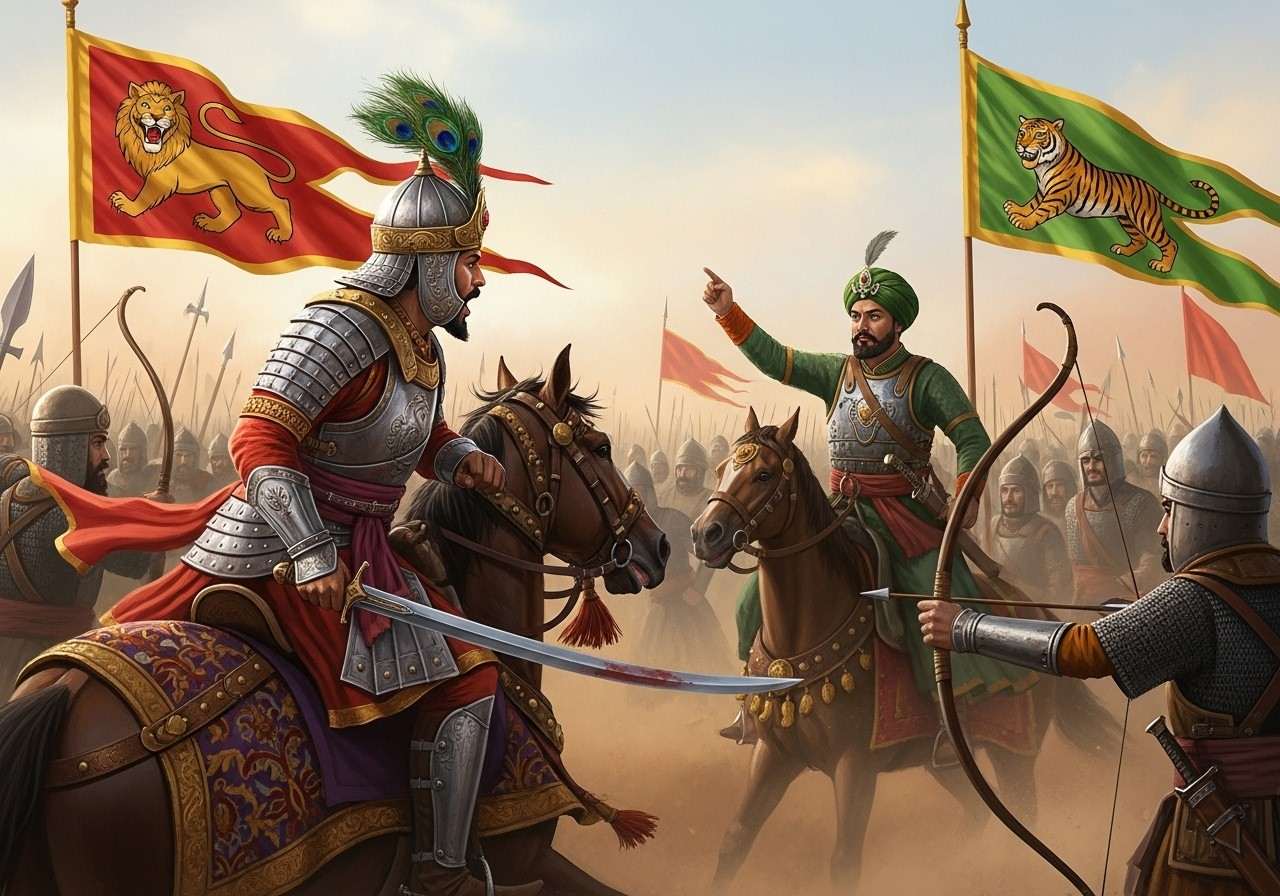
The pages of our vibrant history are filled with timeless stories of unparalleled bravery, deep-rooted honor, and strategic brilliance. One such epochal event is the historic Battle of Chanderi in 1528. This monumental confrontation featured Babur, the ambitious founder of the Mughal Empire, and Medini Rai, a profoundly courageous Rajput chieftain who stood as a steadfast shield for his people. This fierce encounter was a significant chapter in the broader campaign to solidify Mughal dominance across the subcontinent. Today, this epic standoff is deeply remembered as a powerful symbol of Rajput resilience, gently reminding us of the profound sacrifices our ancestors made to protect their sacred independence.
Babur’s Strategic Ascent and the March to Malwa
Having set his sights on establishing a lasting dynasty in India, Babur displayed an extraordinary level of military foresight. Following his decisive triumph over the Rajput Confederacy at the Battle of Khanwa, he desperately sought to suppress any resurging Rajput power that could threaten his reign. To effectively isolate the great Rana Sanga, Babur strategically targeted Medini Rai, a trusted and loyal vassal of the Rana and the formidable ruler of Malwa. Babur brought with him advanced warfare tactics of the time, utilizing gunpowder and innovative military formations that had previously been unseen in the region. These modern methods were instrumental in his rapid string of victories, slowly shifting the political and cultural landscape of the era.
Medini Rai: The Valiant Rajput Defender
At the very heart of the resistance was Medini Rai, a highly respected leader celebrated for his unyielding courage and steadfast dedication to his motherland. Ruling from his formidable stronghold, the fort of Chanderi in present-day Madhya Pradesh, he was a crucial pillar in the grand alliance formed by Rana Sanga. Together, these visionary leaders shared a common, unified dream: to protect the sacred culture, independence, and honor of Rajputana from foreign incursions. Medini Rai’s highly fortified position at Chanderi was seen as an impenetrable barrier, making it an essential defense line that Babur knew he absolutely had to break.
The Fierce Battle of Chanderi Unfolds
The mounting tension finally culminated when Babur’s advancing forces arrived at the mighty gates of Chanderi on January 20, 1528. In an initial attempt to avoid a prolonged siege, Babur offered the city of Shamsabad to Medini Rai as a peace offering in exchange for Chanderi, an offer the proud Rajput warrior firmly and bravely rejected. What followed was a battle of sheer willpower and undying spirit. Despite lacking the modern firearms that the Mughals possessed, Medini Rai’s fearless troops defended their home by fiercely hurling heavy rocks and fire down upon the invaders. However, the Mughal military machinery was overwhelming in its assault. The outer fortress was tragically breached by nightfall, and Babur himself was highly surprised by how swiftly the upper fort fell into his hands by the very next morning.
Jauhar: A Heartbreaking Tradition of Supreme Sacrifice
Realizing that defeat was imminent and the fort’s stone defenses had crumbled, Medini Rai and his people chose the glorious path of ultimate sacrifice over the humiliation of submission. Anticipating the fall of their beloved home, Medini Rai organized a solemn Jauhar ceremony, a poignant and deeply emotional tradition where Rajput women and children willingly committed self-immolation to protect their purity and spiritual honor. Following this heartbreaking event, a small, fiercely dedicated group of remaining soldiers committed collective suicide within Medini Rai’s own house, embracing death with incredible dignity. Medini Rai himself fell valiantly on the battlefield. In the grim aftermath, Babur ruthlessly ordered a tower of skulls to be erected—a psychological tactic previously used against the Afghans of Bajaur—meant to terrorize future opponents, permanently bringing Chanderi under Mughal control.
How Poojn.in Helps You Connect With Our Rich Cultural Heritage
The bravery and spiritual devotion of historical figures like Medini Rai are woven deeply into the cultural fabric of our nation. To truly understand and honor the rich heritage of this bygone era, we must keep our ancestral traditions alive in our modern homes. At Poojn.in, India’s premier cultural goods store, we take immense pride in offering authentic items that help you stay culturally rooted and connected to the beautiful spiritual practices of our past. Through our online store, you can conveniently bring home sacred items that keep the warm flame of our timeless traditions burning bright.
- Authentic Traditional Puja Kits: Our meticulously curated kits contain every essential item you need to perform heartfelt rituals honoring our deities and revered ancestors. These traditional puja kits bring immense convenience right to your doorstep, ensuring that your daily home ceremonies are conducted with the utmost purity, respect, and devotion, just as they were beautifully done centuries ago by our forebears.
- Soothing Incense Sticks: The right traditional fragrance can instantly transport you to a sacred space of divine tranquility and deep, peaceful meditation. Our premium incense sticks are authentically crafted to create a serene, spiritually uplifting atmosphere, making them absolutely perfect for calming your mind after a long day or for enhancing your daily prayers with their lingering, nostalgic aroma.
- Exquisite Brass Idols: Having a physical, artistic representation of the divine brings a profound sense of peace, positivity, and spiritual strength to any Indian household. Our beautifully detailed brass idols reflect the artistic brilliance and spiritual devotion of ancient times, serving as an elegant centerpiece for your home altar and a constant, reassuring reminder of our enduring faith and rich cultural heritage.
By consciously choosing Poojn.in, you are completely assured of receiving only the most authentic, high-quality spiritual products while enjoying the unmatched ease of online shopping. Whenever you need friendly guidance on selecting the right traditional items for your home, please feel free to reach out to us at 03369029784 or simply WhatsApp us at 9476142738.
Reflecting on an Indomitable Legacy
The monumental events at Chanderi remain much more than a mere historical footnote of conquest and empire-building. This historic conflict beautifully reminds us of the intricate tapestry of India’s heritage, where immense bravery and complex strategies have both played pivotal roles in shaping the world we live in today. Even though the fall of Chanderi undoubtedly strengthened the foundations of the Mughal Empire and highlighted Babur’s modernization of warfare, the unflinching courage of Medini Rai and his loyal followers left an indelible, glowing mark on the Indian soul. Their unwavering commitment to their values continues to inspire us deeply, warmly reminding us to hold onto our roots, our honor, and the beautiful rituals that define our identity.
Frequently Asked Questions About the Historic Conflict
What led to the historic confrontation between Medini Rai and Babur?
This monumental clash was a direct result of Babur’s aggressive military campaigns to firmly establish and secure the Mughal Empire across the Indian subcontinent. After his major victory at Khanwa, Babur needed to suppress any remaining resistance, leading him to isolate Rana Sanga by targeting the valiant Rajput chief Medini Rai, who steadfastly defended his homeland of Malwa.
Who exactly was Medini Rai?
Medini Rai was a highly respected, courageous Rajput ruler of the Malwa region. He is fondly and proudly remembered in Indian history for his exceptional leadership and his fearless resistance against Mughal expansion, standing tall as a true protector of his people’s cultural independence and honor.
Why is the Battle of Chanderi considered so important in our history?
Taking place in the historically significant year of 1528, this battle was a pivotal moment because it marked a crucial step in Babur’s consolidation of power in central India. Furthermore, it showcased the incredible, awe-inspiring resilience of the Rajputs, as they fought fiercely against a vastly better-equipped army to protect their ancestral fort.
How did this fierce conflict impact the Rajput community?
While the military outcome resulted in a devastating defeat for Medini Rai, the profound bravery displayed during the battle and the deeply tragic Jauhar that followed became a legendary symbol of Rajput resilience. It highlighted their absolute refusal to compromise their dignity, inspiring countless generations to stand by their principles.
Did the great leaders Medini Rai and Rana Sanga ever fight together?
Indeed, they shared a powerful, unified alliance. Rana Sanga, the legendary Rajput king, strongly opposed Babur at the Battle of Khanwa, a massive historical confrontation in which Medini Rai also proudly participated in a valiant effort to present a united Rajput front against the foreign invaders.
What was the ultimate outcome of the battle at Chanderi?
Despite defending their fortress with tremendous valor, utilizing basic stones and fire, Medini Rai’s forces were ultimately overwhelmed by Babur’s technologically advanced troops. The rapid loss of the fort led to the heartbreaking Jauhar by the women, the collective sacrifice of the soldiers, and the tragic death of Medini Rai himself.
Why does this historical event still resonate with us today?
The epic standoff between these two distinct forces beautifully captures the eternal human struggle to protect one’s homeland, culture, and way of life. It deeply reflects the deep-rooted courage of our local leaders, a powerful sentiment that continues to make us deeply proud of our rich ancestral heritage and enduring spiritual strength.