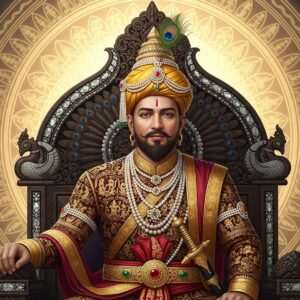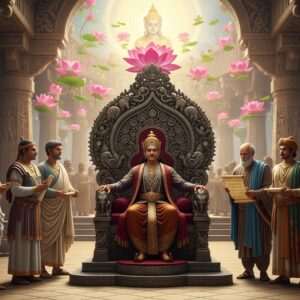

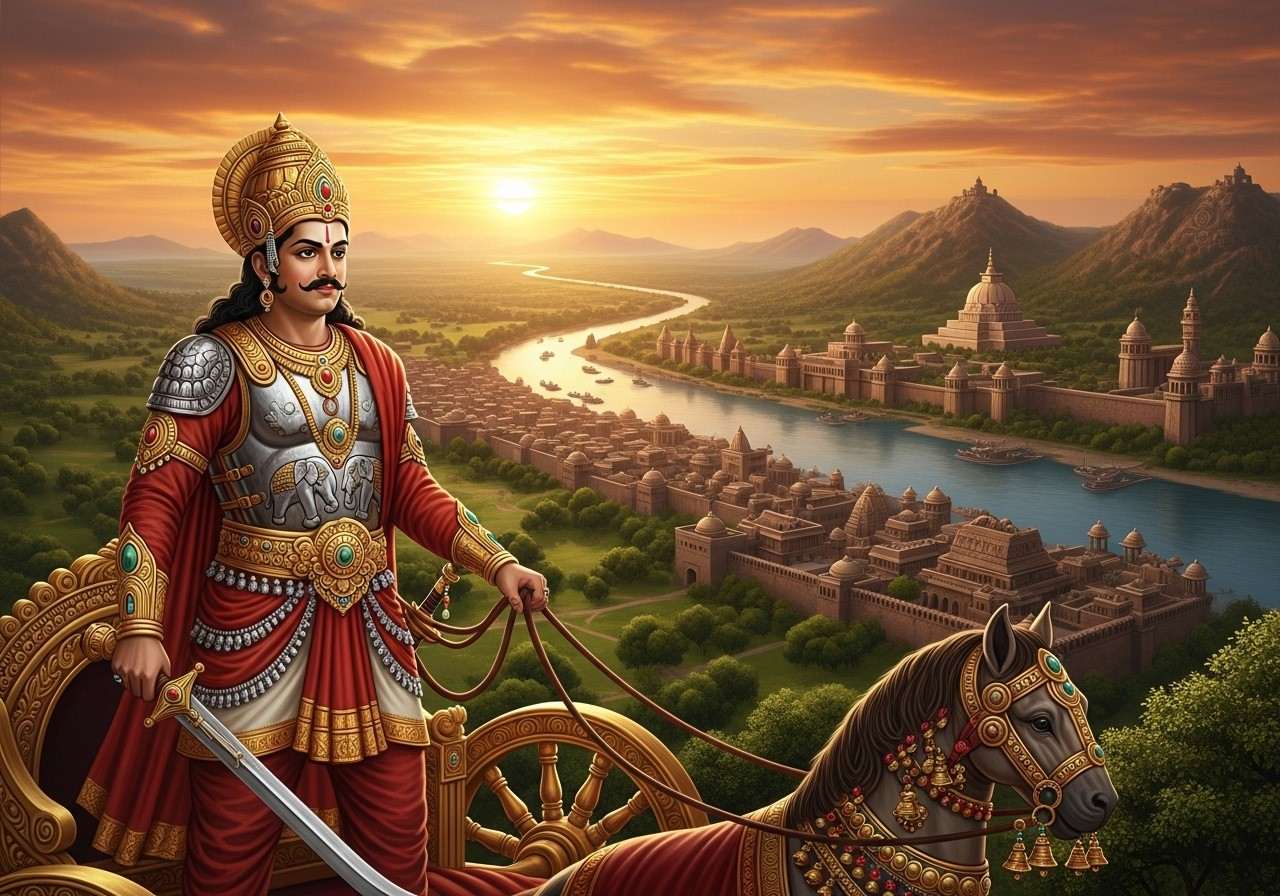
When we look back at the glorious pages of ancient Indian history, our hearts swell with pride. We often sing praises of Chandragupta Maurya, who laid the foundation of a magnificent dynasty, and his grandson Ashoka the Great, who spread the message of peace across the globe. Yet, sitting quietly between these two giants is a fascinating ruler who is frequently overshadowed. Bindusara played an absolutely crucial role in holding together and expanding one of ancient India’s most colossal empires. Understanding his time on the throne gives us a beautiful glimpse into the continuity and deep-rooted strength of our cultural heritage.
The Historical Landscape of the Second Mauryan Emperor
Stepping into the shoes of a legend is never easy, but Bindusara did so with remarkable grace. Taking the reins from his father around 297 BCE, he ruled with authority and wisdom until approximately 272 BCE. During this vital transition of power, he did not just sit back and enjoy his inheritance. Instead, he dedicated his life to consolidating the massive territories his father had acquired. By using clever political strategies and a deep understanding of governance, he kept a highly diverse society beautifully unified, ensuring that the legacy of his ancestors remained unshaken.
Geographic Extents: Mapping the Boundless Empire
It is truly awe-inspiring to imagine the sheer size of the Indian subcontinent under his watchful eye. The empire during Bindusara’s time stretched majestically from the snow-capped Himalayas in the North all the way down to Karnataka in the South. From the western frontiers of modern-day Afghanistan and Baluchistan, it reached across the fertile plains to Bengal in the East.
One of his most legendary achievements was his southern campaign. Historical records suggest that he successfully subdued 16 distinct kingdoms across the Deccan plateau, bringing vast new wealth and vital trade routes into his fold. However, it is interesting to note that the fiercely independent Tamil kingdoms of the Cholas, Cheras, and Pandyas remained untouched. The dense, unforgiving forests and the strong regional resistance of the deep south kept these areas outside Mauryan control, preserving a unique cultural boundary that adds so much flavor to our history.
Urban Centers and the Heart of Administration
Managing such a massive territory requires more than just military might; it requires brilliant organization. The entire realm was thoughtfully divided into administrative regions, with the grand city of Pataliputra standing proud as the central capital. These bustling urban centers were the beating heart of economic activity, spiritual discussions, and cultural exchange. A well-planned network of roads and communication systems made it possible for regional governors to implement royal policies efficiently. This dedication to infrastructure ensured that even the most remote villages felt connected to the central administration.
A Time of Cultural and Economic Prosperity
Our motherland has always been a melting pot of traditions, and this era was no different. The society under this great ruler was incredibly rich in diversity, embracing multiple ethnic groups, local customs, and spiritual paths. This pluralism naturally shaped an inclusive style of governance. Agriculture bloomed, trade networks expanded, and taxation was handled systematically, leading to immense economic prosperity. At the same time, spiritual paths like Buddhism, Jainism, and the timeless Vedic traditions flourished side by side, reflecting a society that valued inner peace as much as outward success.
Honoring Our Heritage at Home
As we reconnect with these golden eras of our motherland, many of us feel a profound urge to bring a touch of that ancient sanctity into our everyday lives. While we can only imagine the grandeur of the ancient royal courts, we can easily preserve the devotion and spiritual practices of our ancestors in our own homes. At Poojn.in, we understand the deep emotional bond you share with your culture. We offer authentic, hand-picked sacred items that help you maintain your spiritual roots without any hassle.
- Literature and Educational Texts: Our carefully curated collection of historical and spiritual literature allows you to dive deep into the ancient eras of India. Reading these authentic texts gives you a profound understanding of how great emperors shaped our vibrant culture, ensuring that the wisdom of the past is passed down to your children.
- Authentic Cultural Artifacts: We provide an exquisite range of traditional artifacts and sacred replicas inspired by our magnificent ancient heritage. These beautifully crafted pieces serve as a tangible link to our golden past, allowing you to seamlessly bring the spirit of historical India right into your modern living room or home temple.
- Sacred Ritual Essentials: Although we focus strictly on providing goods rather than VIP darshans or travel guidance, our platform supplies every single sacred item you might need to honor our deities at home. By utilizing these pure, high-quality puja items, you can rest assured that your daily prayers and offerings remain deeply connected to our timeless Vedic roots.
Embrace the richness of Indian traditions by exploring our trusted online store. For a closer look at our offerings, simply visit https://www.poojn.in. If you need assistance finding the perfect items for your next family puja, please feel free to call us at 03369029784 or send a warm message on WhatsApp at 9476142738. We are always here to serve your cultural needs.
The Enduring Legacy of a Great Leader
Looking back, it is crystal clear that the groundwork laid during these twenty-five years was nothing short of extraordinary. This steady, stable period created the perfect stage for Ashoka to eventually rise and transform the world with his message of Dharma. The historical narratives we uncover today remind us that true leadership is often about maintaining balance, respecting diversity, and quietly building a foundation strong enough to last for generations. The legacy left behind is not just a tale of territorial expansion; it is a beautiful reminder of the harmony between diligent governance and vibrant cultural richness.
Frequently Asked Questions About This Era
When did Bindusara rule?
He graciously held the Mauryan throne from approximately 297 BCE to 272 BCE. Taking over from his legendary father, Chandragupta Maurya, he became the second guiding force of this magnificent empire.
What was the environment like during his time on the throne?
His time was wonderfully characterized by a focus on stabilizing the vast territories he inherited while continuing strategic expansion. It was a period marked by rich internal stability, economic growth, and the flourishing of diverse spiritual traditions.
How large was the empire under his command?
The territory under his command was truly breathtaking in scale. It stretched all the way from the eastern corners of modern-day Bengal to the western regions of Afghanistan, and from the majestic Himalayas down to the southern plateaus of Karnataka.
Which specific areas did he add to the realm?
He is historically credited with extending the empire’s reach significantly into the South by subduing 16 different kingdoms within the Deccan Plateau. However, the deep southern territories of the Cholas, Cheras, and Pandyas remained outside his control.
How did he interact with neighboring regions?
He was known for being an excellent diplomat. He maintained warm and friendly relations with various Hellenistic kings and neighboring powers, often engaging in lively trade and cultural exchanges that brought exotic goods and fresh ideas into the subcontinent.
How did he maintain control over such massive lands?
He relied on a highly organized and deeply loyal administrative network. The entire kingdom was divided into distinct provinces, governed by trusted officials and royal princes who ensured that the laws were upheld and taxes were collected fairly.
Was he involved in any significant wars?
While his primary focus was definitely on peaceful administration and internal harmony, he was a capable warrior when necessary. He engaged in regional conflicts primarily to suppress internal rebellions and to solidify his absolute control over the newly acquired Deccan kingdoms.
What is the ultimate legacy of this mighty ruler?
His ultimate legacy lies in his ability to beautifully preserve and strengthen the colossal realm built by his father. By maintaining peace and order, he perfectly paved the way for his son, Ashoka, to take the empire to its highest peak of cultural and spiritual glory.