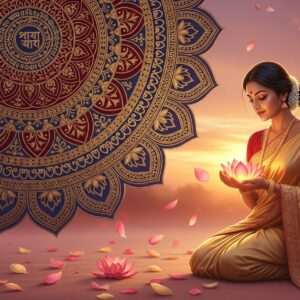

The writing system of Bengal is far more than a mere collection of characters; it is the very soul of our shared cultural heritage. Used by approximately 300 million people worldwide, this beautiful syllabic writing system proudly ranks as the 5th most used script globally. It is the heartbeat of everyday communication, serving as the sole national script of Bangladesh and a prominent official script in India—specifically in West Bengal, Tripura, and the Barak Valley of Assam. Interestingly, the Meitei language in Manipur also embraces this versatile alphabet. Understanding its majestic journey helps us deeply connect with our roots, preserving the rich traditions passed down through generations.
Tracing the Ancient Roots and Historical Evolution
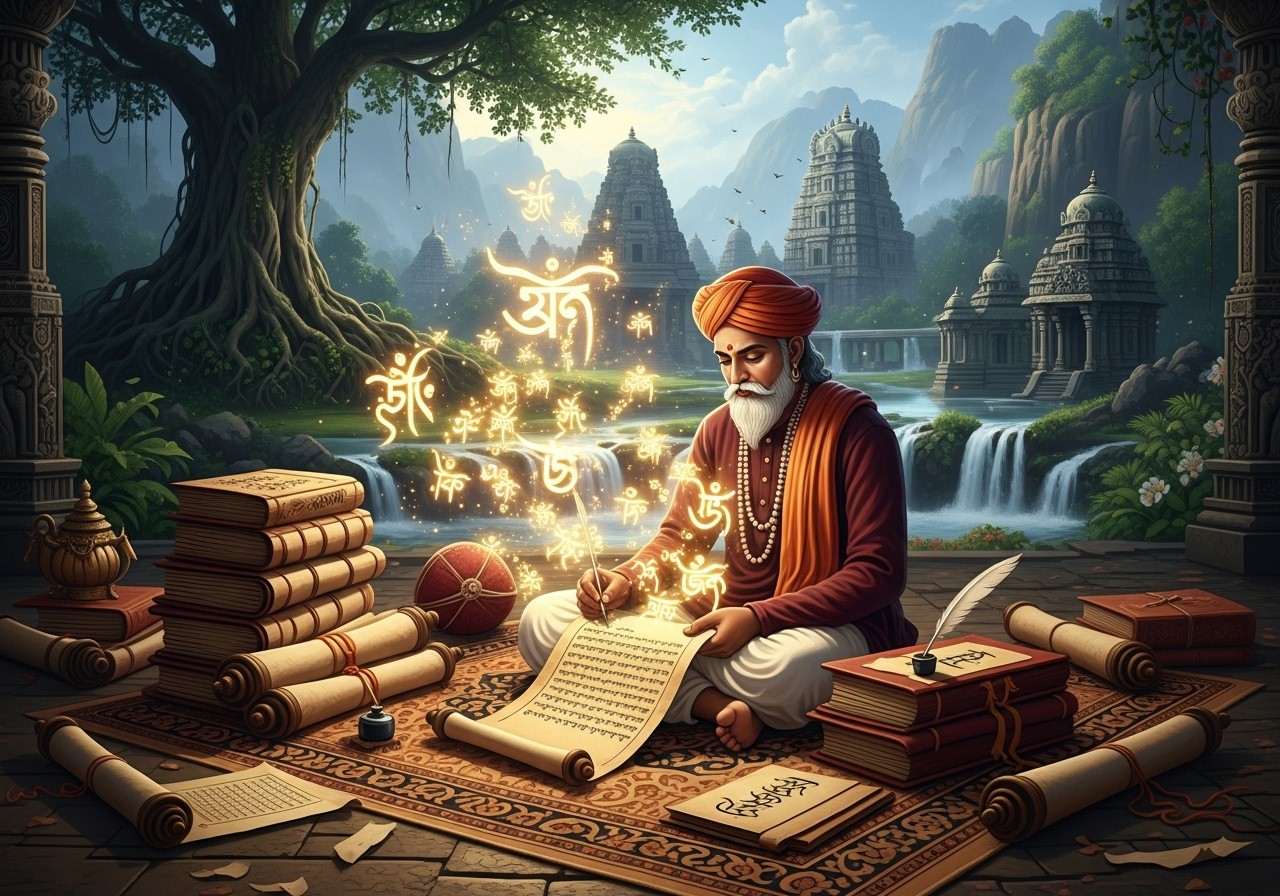
The story of this linguistic treasure traces its origins back to the venerable Brahmi script, one of the most ancient writing systems of the Indian subcontinent. While scholars continue to gently debate whether Brahmi evolved locally from the Indus Valley civilization or was influenced by external cultures, its foundational role is undeniable. The discovery of the Mahasthan Brahmi inscription is a monumental milestone, recognized as the oldest written artifact in Bengal, beautifully displaying a more advanced form of Brahmi than even the famous Asokan edicts.
As time gracefully moved forward into the Gupta period, the northern forms of Brahmi evolved into a sophisticated style known as Siddhamātrika. In the eastern regions of India, Siddhamātrika slowly blossomed into what historians lovingly call “Proto-Bengali”—the vital stepping stone toward our modern alphabets.
The Journey to the Modern Alphabets
The transformation from ancient carvings to the smooth, flowing letters we recognize today was a journey of centuries, shaped by royal patronage and historical shifts. Here are the defining phases of this evolution:
- The Era of Proto-Bengali Formations: Spanning from the 10th to the 14th centuries AD, this transitional writing style was widely utilized across ancient Bengal, Bihar, Orissa, Assam, and Nepal. Royal dynasties proudly adopted it for their official records, making it the beloved precursor to modern Assamese, Maithili, and Bangla writing styles.
- The Birth of the Modern Shapes: The familiar, rounded conjunct letters we use today truly began taking form during the 11th and 12th centuries AD. Historical treasures, such as the Anulia copper plate of Laksmanasena and the Sahitya Parisad copper plate of Visvarupasena, prominently feature these alphabets. Notably, the Sundarban copper plate of Dommonpala (1196 AD) is predominantly inscribed in the complete, recognizable script.
- Standardization and Cultural Renaissance: Though the Muslim conquest of Bengal around 1204 AD caused a temporary pause in literary evolution, the 19th century sparked a magnificent revival. The revered scholar and reformer Ishwarchandra Vidyasagar played a pivotal role in standardizing the language. He meticulously gave it a distinct literary identity, carefully removing the excessive influences of Farsi, colloquial slang, and overly rigid Sanskrit, paving the way for mass literacy and modern education.
Distinctive Characteristics of Our Regional Script
What makes this writing format so remarkably unique is its structure as an abugida, where consonant and vowel combinations beautifully merge into a single, seamless phonetic unit. It is fluidly written from left to right, united by a distinctive horizontal line—known as the matra—that gracefully connects letters to form meaningful words. Comprising 12 vowels and 39 consonants, along with an array of beautiful ligatures, its phonetic richness flawlessly captures the emotional depth and diverse sounds of regional dialects. Today, its seamless adaptability to digital screens ensures that this ancient art form remains vividly alive in the modern, technology-driven world.
Cultural Resonance and Embracing Tradition
This magnificent alphabet is the lifeblood of our literature, devotion, and daily customs. It safely preserves profound wisdom, from ancient Hindu and Buddhist religious texts to the soul-stirring poetry of the modern era. The sweeping curves of the letters heavily influence traditional art and spiritual calligraphy. During joyous cultural celebrations like Pohela Boishakh (the New Year) and International Mother Language Day, the script takes center stage, reminding us of our deep-rooted linguistic pride and our enduring parampara (traditions).
How Poojn.in Supports Your Cultural Journey
As we reflect on these glorious historical roots, maintaining a tangible connection to our ancestral traditions becomes deeply fulfilling. If you are exploring the spiritual ethos of Bengal or setting up a traditional learning space at home, offers a carefully curated selection of authentic cultural goods. We take immense pride in being India’s premier online store exclusively dedicated to genuine cultural items—such as traditional literary texts, spiritual books, and authentic puja samagri. Please note that we are strictly an online retail store providing physical cultural goods; we do not offer VIP temple darshans or travel guidance. For families who value tradition alongside the convenience of modern online shopping, finding genuine, high-quality ritual items is effortless at https://www.poojn.in/. For any heartfelt inquiries or assistance in selecting the perfect traditional item, please warmly reach out to us at 03369029784 or via WhatsApp at 9476142738.
Unraveling Common Curiosities About Our Linguistic Heritage
Many cultural enthusiasts deeply cherish their roots and often wonder about the specific timeline and historical origins of this beautiful alphabet. The journey of these flowing characters dates back to ancient times, organically blossoming from the ancient Brahmi scripts and maturing into their currently recognizable forms during the vibrant 11th and 12th centuries CE.
People frequently express curiosity regarding who exactly invented this linguistic masterpiece. The truth is that it was not crafted by a solitary genius overnight. Instead, it is the magnificent, collective result of generations of gradual evolution, delicately shaped by the Gupta influences, local dialects, and early Eastern Indian literary shifts.
There is also wonderful interest regarding the different languages that utilize this specific writing style today. While it is predominantly the heart and soul of the Bengali language, it gracefully accommodates Assamese, Bishnupriya Manipuri, and the Meitei language, effectively bridging multiple beautiful communities across eastern India.
Another point of interest lies in whether these characters share a resemblance with other regional writing styles. Because it proudly belongs to the great Brahmi family tree, it naturally shares a deep, structural kinship with other revered scripts like Devanagari and Gujarati, beautifully celebrating India’s underlying unity in diversity.
Finally, individuals exploring our rich heritage often reflect on why preserving this specific writing format is of such paramount importance. Beyond simple daily communication, it carries the profound weight of our sacred literature, our devotional prayers, and the timeless wisdom of our ancestors, making it an absolute, indispensable pillar of our cultural identity and spiritual survival.