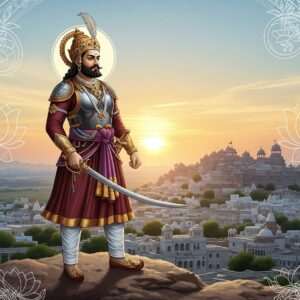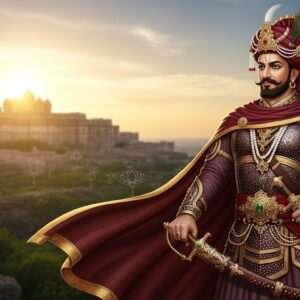


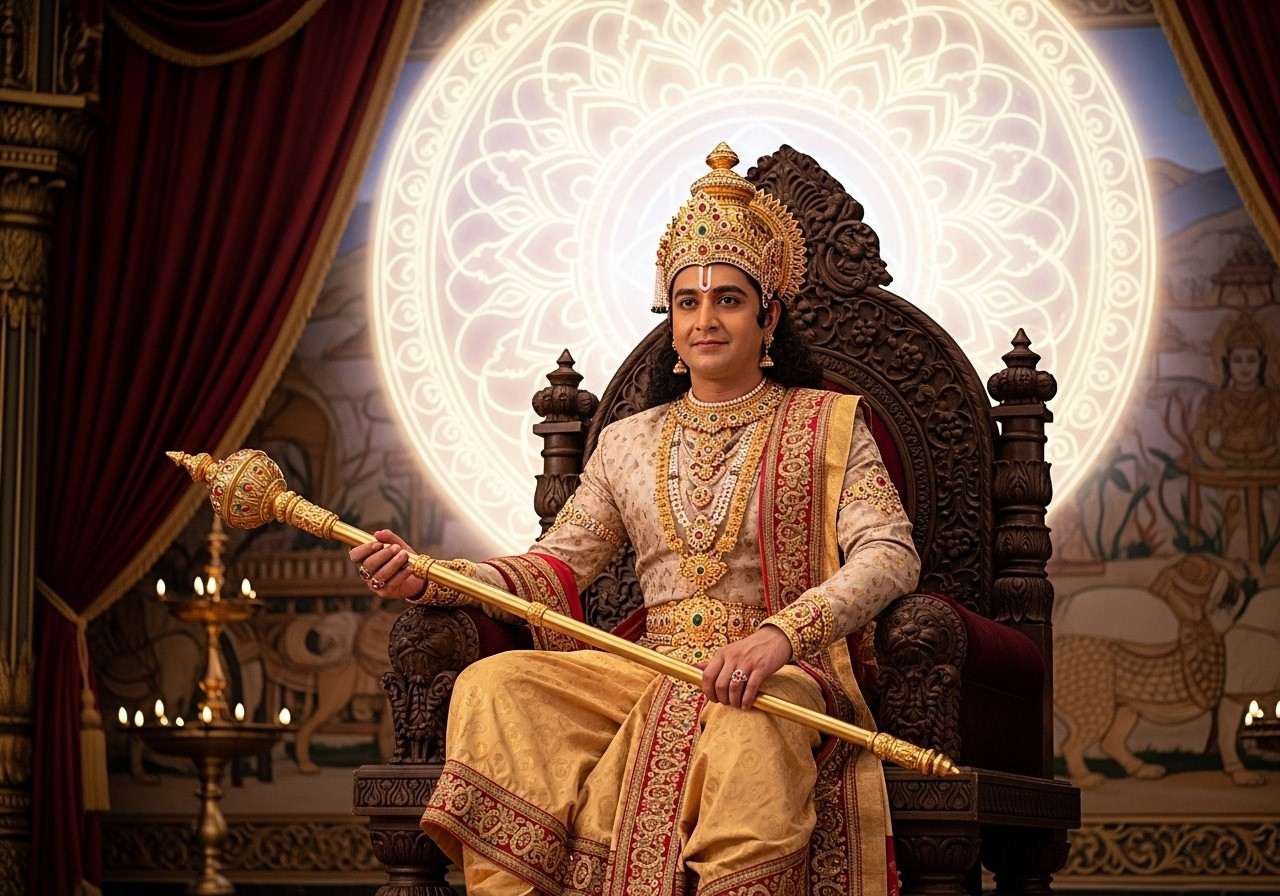
When we turn the golden pages of ancient Indian history, a few legendary names instantly capture our imagination. Yet, right between the monumental era of an empire’s founder and the spiritual awakening of his world-renowned son, stands a powerful ruler whose contributions often remain tucked away in the background. The second emperor of the Mauryan dynasty played a foundational role in shaping the destiny of the Indian subcontinent. Born around 320 BCE, this formidable king ensured that the vast kingdom he inherited not only survived but flourished profoundly.
Early Life and an Intriguing Royal Lineage
According to ancient Jain texts, the illustrious ruler was born to Chandragupta Maurya and his queen, Durdhara. Growing up under the legendary mentorship of Chanakya (Kautilya), he was groomed from childhood to shoulder the immense weight of an expanding empire. A fascinating tale surrounds how he received his name. Traditional accounts suggest that shortly after his birth, a drop of poison touched his head, leaving a distinct mark. Other stories mention drops of goat blood touching his body. Whatever the true origin, these events marked the beginning of a life destined for greatness.
Amitraghāta: The Fearless Slayer of Enemies
Taking the throne in 297 BCE, he came to be feared and respected by his contemporaries. He earned the powerful Sanskrit title ‘Amitraghāta,’ which beautifully translates to the ‘slayer of enemies.’ Greek historians documented his might by referring to him as Amitrochates, while other historical records affectionately call him Amitrachanda and even Devanampriya. His reign, lasting until roughly 273 BCE, was anything but quiet. He successfully pushed the boundaries of the Mauryan Empire deep into the Deccan region, extending his majestic influence as far south as Mysore.
Historical texts suggest that he brought 16 states under his sovereign umbrella. However, he showed remarkable diplomatic wisdom. Rather than engaging in endless warfare, he chose to maintain friendly and respectful relations with the Cholas, Pandyas, and Cheras in the extreme south, completely avoiding the annexation of Kalinga. This delicate balance of fierce military expansion and peaceful diplomacy kept the motherland prosperous and secure.
Administrative Brilliance and Cultural Harmony
The prosperity of any empire relies heavily on its administrative backbone. Our wise king understood this perfectly, meticulously preserving the robust administrative structure laid down by his father. Guided by the timeless wisdom of Kautilya’s Arthashastra, his governance focused deeply on economic stability, infrastructure, and the welfare of the common people.
His approach to faith was equally remarkable. In an era teeming with diverse philosophical thought, he exhibited profound religious tolerance. While his father embraced Jainism, he personally patronized the Ajivika sect, an ancient ascetic tradition. His generous spirit is evident in the fact that he commissioned and donated several caves specifically for Ajivika monks, ensuring that every spiritual path found a respectful place in his kingdom.
Family Dynamics and the Final Transition
Within the royal household, the emperor was a father to several sons, with Susima and Ashoka being the most prominent figures. Though Susima was initially positioned as the rightful heir, destiny had other plans. Following the king’s peaceful passing in the 270s BCE—historians like Upinder Singh pinpoint this around 273 BCE, while Alain Daniélou suggests 274 BCE—a fierce succession war broke out. Ultimately, Ashoka the Great emerged victorious, taking the reins and transforming the empire forever.
Regarding the length of his glorious rule, ancient texts offer varying perspectives. The Mahavamsa records a reign of 28 years, whereas the sacred Puranas state he ruled for 25 years. Regardless of the exact timeline, his legacy is etched in stone as the vital bridge that ensured the Mauryan Empire’s survival and subsequent golden age.
Bringing the Grandeur of Ancient India into Your Home
Reading about the magnificent administrative brilliance and rich cultural harmony of ancient India naturally makes us long to hold a piece of that heritage in our own hands. We often wish to surround our homes with items that echo the profound spirituality and glorious traditions of Bharat. At Poojn.in, we understand your deep-rooted love for our motherland’s parampara and offer authentic, beautifully crafted cultural goods to enrich your everyday spiritual life.
Whether you are setting up a serene puja room or simply wish to embrace our rich traditions, exploring https://www.poojn.in/ will connect you with a carefully curated collection of authentic items that honor our ancestors’ legacy.
Traditional and Cultural Artifacts for Your Sacred Space
- Historic Art and Traditional Replicas: Decorating our living spaces with art inspired by ancient Indian history not only elevates the aesthetic of our home but also serves as a wonderful conversation starter for our younger generation. By incorporating these traditional motifs, you create an environment that proudly celebrates our ancient economic and cultural supremacy, bringing the spirit of the Mauryan era right into your modern household.
- Sacred Texts and Spiritual Manuscripts: Our ancestors passed down immense wisdom through ancient scriptures, and keeping replicas or beautifully bound versions of traditional texts helps keep that wisdom alive in our daily routines. Reading or simply honoring these texts in your home brings peace, grounding your family in the timeless moral governance and philosophical depth that ancient kings once championed.
- Authentic Ritual Items and Cultural Goods: A traditional Indian home feels incomplete without the gentle glow of a brass diya, the fragrance of pure incense, and the presence of handcrafted cultural artifacts. Using these sacred items during your daily prayers helps you build a pure, meditative atmosphere that resonates with the devout, spiritually tolerant environment fostered during ancient times.
Embracing our roots has never been easier or more reassuring. We invite you to experience the convenience of online shopping without ever compromising on purity or authenticity. Discover the finest cultural items by visiting https://www.poojn.in/, where tradition meets trust. For any heartfelt assistance or guidance regarding our products, please feel free to call us at 03369029784 or simply WhatsApp us at 9476142738. We are always here to serve you.
Frequently Asked Questions About the Amitraghāta
Who exactly was this prominent ancient ruler?
He was the highly capable second sovereign of the Mauryan Empire, holding the throne roughly from 297 BCE to 273 BCE. Stepping into the massive shoes of his father, Chandragupta Maurya, he successfully held the vast kingdom together and laid the groundwork for his son, Ashoka the Great, to usher in a period of unprecedented peace.
Which grand royal family did he belong to?
He was a central pillar of the Mauryan Dynasty. This royal lineage is celebrated as one of the most powerful and expansive empires in the history of the Indian subcontinent, distinguished by its incredibly efficient administrative machinery and unmatched military strength.
Who were his illustrious parents?
His father was none other than Chandragupta Maurya, the visionary founder of the Mauryan Empire. According to revered Jain texts, his mother was Queen Durdhara. Together, they gave India a child who would safeguard their life’s monumental work.
What were his greatest contributions to his kingdom?
His most significant achievement was expanding the royal territories deep into the Deccan plateau, bringing approximately 16 states under his control. Beyond military campaigns, he maintained remarkable internal stability, successfully continuing the complex administrative and economic systems first established by Kautilya.
How many years did he govern the empire?
His prosperous reign lasted between 25 to 28 years, depending on whether one refers to the Puranas or the Mahavamsa. Taking charge around 297 BCE, he effectively guided the state through a period of sustained peace and growth until his departure in the 270s BCE.
Which spiritual path did he choose to follow?
In a beautiful display of personal faith and public tolerance, he became a devoted patron of the Ajivika sect. This was quite different from his father, who had embraced Jainism. His deep respect for the ascetic Ajivika monks led him to donate specialized caves for their spiritual practices.
Who took over the throne after his passing?
Following a brief but intense succession struggle among his sons, the throne was claimed by Ashoka. The new emperor eventually renounced warfare after the Kalinga war, embracing Buddhism and becoming one of the most beloved and enlightened rulers the world has ever seen.