
The eastern belt of Maharashtra is a land where ancient customs continue to thrive in the hearts of its people. The traditional festivities of Vidarbha are not mere dates on a calendar; they are a profound way of life that beautifully reflects the region’s rich heritage and deep-rooted spiritual values. Exploring these local celebrations gives you an intimate glimpse into a culture that beautifully balances agrarian humility with magnificent devotion.
The Grand Tapestry of Regional Festivities
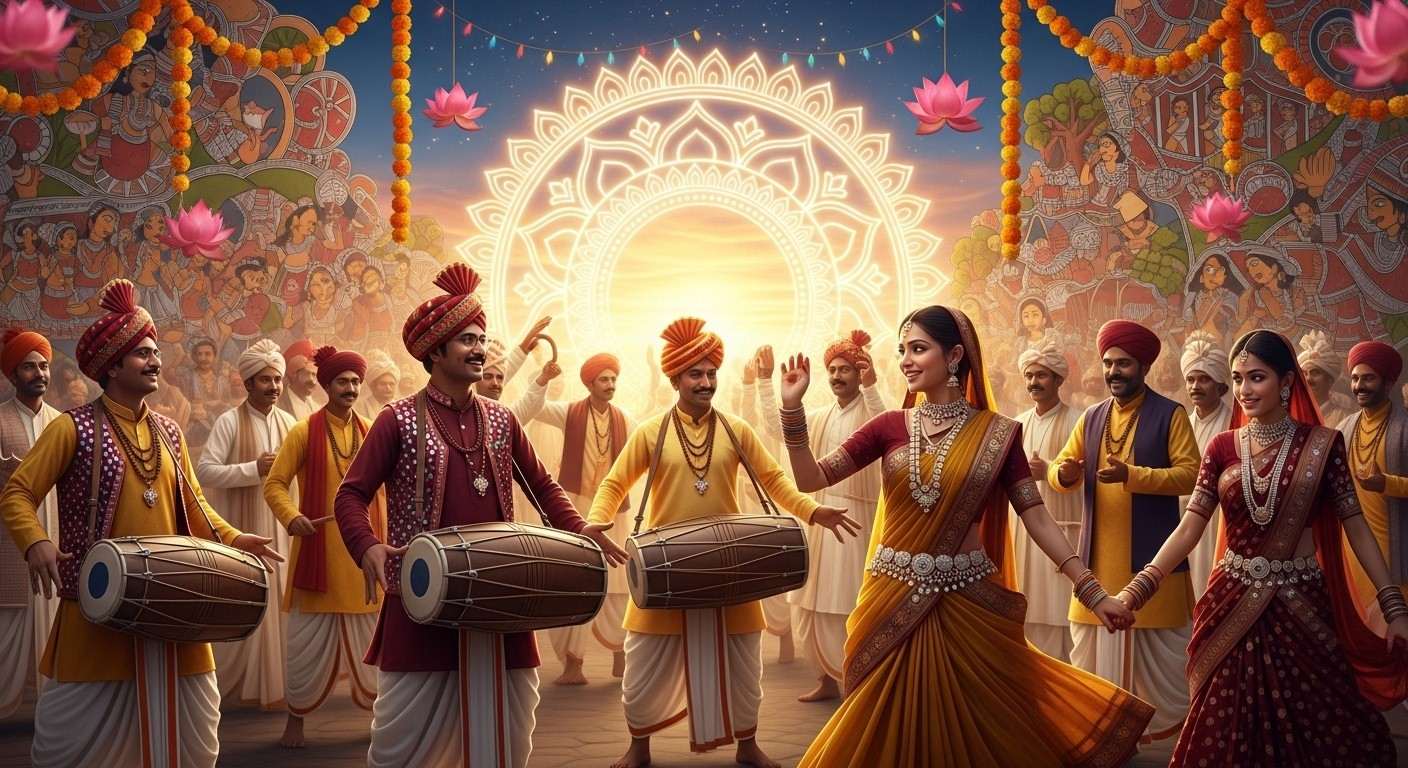
The rhythmic beats of the dhol and the sweet aroma of freshly prepared delicacies always announce the arrival of celebratory times in this culturally vibrant region. Bail Pola stands out as one of the most heartwarming occasions, deeply rooted in the area’s farming lifestyle. During this time, hardworking farmers express their immense gratitude to their bulls and oxen. The cattle are bathed, adorned with colorful ornaments, and fed special treats, showcasing the deep respect the community holds for nature’s silent helpers.
When the auspicious days of Ganeshotsav and Gudi Padwa arrive, the entire region is bathed in pure devotion and artistic splendor. Elaborate pandals are erected, and homes are filled with the joyous echoes of aartis. To make your spiritual preparations completely hassle-free, you can explore authentic traditional puja kits that include pure kumkum, aromatic incense sticks, and brass diyas, helping you honor these sacred moments with the utmost reverence.
The festival of lights, Diwali, acts as a beautiful unifying force, bringing families together over grand feasts, while the unique observance of Nag Panchami highlights the local reverence for all living beings by honoring the serpent deities.
Tribal Gatherings and Historic Fairs
Beyond the mainstream holidays, the indigenous communities of the region have fiercely preserved their ancestral heritage through spectacular annual gatherings that draw crowds from all over the country. These events are the true heartbeat of the local tribal culture.
- The Sacred Kachargadh Jatra: This grand tribal congregation, eagerly anticipated by the Gond community, is scheduled to take place from January 30 to February 3, 2026. Devotees from various states gather at the ancient caves of Gondia to worship the deity Kali Kankali, keeping their rich ancestral traditions alive through soulful music, traditional dances, and communal harmony.
- The Legendary Kalidas Festival: Held every November in the serene and historically rich town of Ramtek, the 2026 edition of this cultural extravaganza will continue to honor the enduring legacy of the great Sanskrit poet Kalidas. Attendees can look forward to spellbinding, world-class performances by renowned artists in the fields of classical dance, traditional music, and theatrical drama.
- The Revered Surjagarh Yatra: Taking place during the first week of January near Etapalli in the Gadchiroli district, this sacred annual pilgrimage holds immense significance for the Madia Gond tribal community. It is wholly dedicated to Thakur Dev, offering visitors a beautiful glimpse into the profound spiritual beliefs, distinctive customs, and unwavering faith of the indigenous local tribes.
- Ajansara and Kaundanyapur Pilgrimages: The deeply spiritual Ajansara event beautifully commemorates Sant Bhojaji Maharaj around February or March, filling the atmosphere with immense devotional fervor. Similarly, the Kaundanyapur gathering, held annually in the auspicious month of Kartik, joyously celebrates the divine legend of Bhagwan Krishna and Mata Rukmini’s sacred marital union.
- The Vibrant Marbat Procession: Unique to this specific part of Maharashtra, this fascinating local event involves parading massive, colorful effigies of Kali and Pivli Marbat through the bustling streets. Locals fervently believe that burning these towering figures at the end of the procession physically cleanses the community of all negative energies and modern societal evils.
- The Melodious Bhondla Festivities: Celebrated with immense joy and enthusiasm during the holy days of Navratri, this beautiful folk tradition serves as a heartfelt ode to the goddess of prosperity and fertility. Women and young girls come together to sing traditional regional melodies and perform graceful dances, fostering a wonderful sense of sisterhood in villages and local temple courtyards.
Culinary Delights: The Heart of Every Gathering
No joyous occasion in Indian culture is ever complete without an array of mouth-watering regional delicacies. The festive food of this region is a glorious testament to its agricultural wealth. Dishes like Puran Poli, a perfectly sweet stuffed flatbread, and Kothimbir Vadi, a crispy savory snack, are absolute staples that delight the palate while honoring age-old recipes.
Cooking these traditional meals often involves utilizing earthen pots and open flames, infusing the dishes with a distinctive, smoky flavor that cannot be replicated in modern kitchens. As you prepare your home for these joyous dining occasions, you might want to adorn your entryways to welcome prosperity and your guests. Adding colorful decorative torans and rangoli powders from our store can instantly elevate the festive ambiance, giving your living spaces that perfect traditional touch.
Embracing the Timeless Heritage
Participating in these magnificent utsavs means connecting with a legacy that our ancestors nurtured with love and devotion. The warmth, hospitality, and shared responsibilities seen during these times invite all of us to experience true togetherness. Whether you are performing a quiet home puja or stepping out to witness a grand procession, wearing appropriate cultural clothing adds to the spiritual joy.
At Poojn.in, we understand exactly how vital it is to get every small detail right for your religious observances. We take immense pride in offering genuine cultural goods that resonate with your faith. Through the sheer convenience of online shopping, you can order your festive attire and essential ritual items right to your doorstep. This simple, hassle-free experience saves you precious time, allowing you to focus entirely on what truly matters: celebrating with your loved ones.
Frequently Asked Questions About Local Traditions
What are the most widely observed cultural events in the eastern Maharashtra region?
The area is famous for observing major Indian occasions like Diwali, Holi, and Dussehra with unmatched zeal. In addition to these widely known holidays, unique local observances such as Bail Pola, which pays a beautiful tribute to farm cattle, and the vibrant Makar Sankranti harvest celebrations bring a distinctly regional flavor to the annual calendar.
How do locals express their devotion during Ganeshotsav?
The much-awaited arrival of Bappa is welcomed with magnificent neighborhood processions, the rhythmic and soul-stirring beats of dhol-tasha, and exquisitely crafted idols. Families and entire communities unite for daily spiritual aartis, engaging cultural programs, and the joyful sharing of beloved traditional sweets like steamed modaks.
What makes the local cultural gatherings so wonderfully unique?
The true uniqueness lies in the seamless blend of ancient orthodox customs and highly localized tribal rituals. Every major observance is accompanied by area-specific traditions, folk music, and distinct culinary practices that brilliantly showcase the deeply diverse and inclusive heritage of the local population.
What kind of traditional dishes are lovingly prepared for these auspicious days?
The festive dining spread usually features wholesome, soul-comforting items that bring families together. Sweet delicacies like Puran Poli and various ladoos are absolute favorites, often accompanied by rustic savory treats like Zunka and Bhakri, all prepared meticulously using farm-fresh, locally sourced ingredients.
How does the cultural spirit truly come alive during the festival of lights?
During this highly auspicious time, the entire region transforms into a glowing paradise with homes, courtyards, and streets beautifully illuminated by countless clay diyas. Neighbors engage in the warm exchange of homemade sweets, and grand family gatherings are filled with immense joy, laughter, and a shared sense of spiritual renewal.
Are there any specific spiritual rituals performed during these auspicious times?
Yes, these observances often involve highly specific, time-honored rituals such as the specialized worship of local deities, chanting of ancestral mantras, and the performance of classical folk dances. Each gathering has its own strict set of customs that have been faithfully passed down through countless generations.
Why is the harvest season, particularly the cattle-honoring day, so spiritually significant here?
Agriculture forms the very backbone of this community, making harvest times incredibly special. Expressing heartfelt gratitude to livestock through dedicated rituals highlights the deep, respectful, and symbiotic relationship between the hardworking people, their fertile land, and the divine forces that sustain their livelihoods.
What central role does food play in bringing the community together?
Food is the heart and soul of these vibrant gatherings, acting as a powerful medium for social bonding. Preparing traditional meals together fosters a sense of unity, and offering these carefully made delicacies to the deities before sharing them with loved ones is considered a deeply spiritual and purifying practice.