

Welcome to a journey into the heart of India’s ancient past. Today, we delve into the eastern part of present-day Maharashtra, a land that has captivated the hearts of those who cherish our diverse cultural roots. This historic territory, deeply steeped in tradition, holds a profound spiritual significance that resonates through the ages. Let us explore its historical and cultural depth together, honoring the legacy of our ancestors.
The Meaning and Mythological Origins of the Name
The name of this magnificent region originates from the Sanskrit term “vi-darbha,” which translates directly to “destitute of darbha grass.” Darbha, as many of us know, is a highly revered sacred grass utilized extensively in our Vedic rituals. Scholars and elders believe this unique designation might reflect the arid nature of the local soil, or perhaps it stems from ancient mythological tales lovingly passed down through generations. It stands as a beautiful reminder of how intertwined our geography is with our spiritual practices.
Early Kingdoms and Deep-Rooted Epic Connections
The original inhabitants of this sacred land, referenced in texts like the Ramayana, were gradually embraced into the broader Indo-Aryan culture. By around 1200 BCE, archaeological findings in the Wardha-Wainganga river valleys reveal an advanced Iron Age civilization characterized by sophisticated metallurgy and distinctive burial practices.
- Vedic Accolades and Royal Lineages: The early Indo-Aryan tribes established a powerful kingdom with its majestic capital at Kundinapura (modern Kaundinyapura). This illustrious lineage is deeply connected to a prominent king, the esteemed son of Ṛṣabhadeva, and shares extensive, unbreakable ties with the Bhojas and the Yadava clan, showcasing their immense influence across ancient India.
- Legendary Tales and Epics: In our revered epics, this land holds a place of absolute pride and neutrality, especially noted during the Kurukshetra War. The Aitareya Brahmana mentions Prince Bhima Vaidarbha, establishing it as a recognized kingdom early on, while the Mahabharata beautifully recounts royal marriages that bridged northern kingdoms, including the legendary union of the King’s daughter, Damayanti, to Nala, and the divine marriage of Princess Rukmiṇī to Lord Krishna.
Dynastic Legacy and Imperial Integration
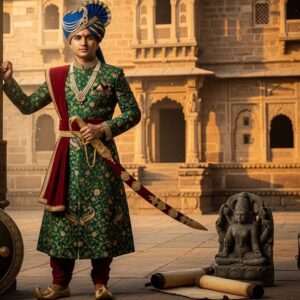
Moving into the 3rd century BCE, the great Emperor Ashoka integrated this prosperous territory into the expansive Mauryan Empire. Following this era, the area saw remarkable growth and cultural flourishing under several prominent dynasties, forever shaping its sociocultural landscape.
- The Satavahana Era: Ruling from the 2nd century BCE to the 3rd century CE, the Satavahanas left an indelible mark on the local culture, spirituality, and economy. Archaeological treasures, including ancient coins and detailed stone inscriptions, provide a fascinating glimpse into a progressive society that deeply valued trade, ritualistic practices, and unparalleled artistic expression.
- The Vakataka Golden Age: Marking what is often considered a monumental historical peak, the Vakataka dynasty successfully unified the territory from the mid-3rd to the early 6th century CE. Under their devout patronage, magnificent art and grand architecture reached unprecedented heights, laying a spiritual and cultural foundation that continues to inspire our communities today.
Geographical Wealth and Cultural Vibrancy Today
Today, this vibrant eastern corridor encompasses the Amravati and Nagpur divisions, each boasting distinct linguistic and sociocultural histories. Amravati shares its past seamlessly with the erstwhile Berar Province, while Nagpur is historically linked to the districts of the Central Provinces from the colonial era. Beyond its historical allure, it remains a major cotton-growing hub, abundantly blessed with rich mineral and forest resources that sustain its hardworking, tradition-loving communities.
How Poojn.in Honors Our Spiritual Heritage
At Poojn.in, we deeply understand the emotional bond you share with our motherland’s ancient traditions. Our central mission is to help you honor these age-old customs right from the comfort and sanctity of your home. While we do strictly focus on providing cultural goods and do not offer travel packages or guidance for visiting historical sites, we take immense pride in bringing the essence of our sacred heritage directly to your doorstep.
- Authentic Ritual Offerings: We provide a comprehensive selection of items that resonate with the spiritual practices originating from India’s ancient lands. Whether you are looking for beautifully assembled puja kits or natural, fragrant incense sticks, our catalog is meticulously designed to elevate your daily prayers and special home ceremonies.
- Uncompromising Authenticity: Our unwavering commitment is to preserve the absolute sanctity of your daily and festive rituals. We ensure that every single product, from hand-crafted sacred items to everyday puja essentials, is sourced from highly trusted suppliers who share our deep, uncompromising respect for Indian cultural traditions.
- The Convenience of Online Shopping: Embrace the modern convenience of bringing home authentic cultural goods without any hassle or compromise on quality. Through our comprehensive online store at Poojn.in, you can seamlessly shop for all your spiritual needs, confident that you are receiving the highest quality items to celebrate our timeless legacy.
For any assistance with your spiritual needs, feel free to visit Poojn.in or reach out to us directly at 03369029784 or via WhatsApp at 9476142738. We are always here to support your devotion with the utmost respect.
Embracing the Legacy
This magnificent journey through time—from its sacred roots in ancient rituals to its pivotal role in our epic narratives—reminds us of the incredible resilience of our ancestors. Recognizing this heritage is about much more than history; it is about honoring the vibrant tapestry of India’s spiritual core. It allows us to look forward to the future with immense respect, keeping the flame of our traditions burning bright in our everyday lives.
Curiosities About Our Ancient Heritage
Let us delve into some common curiosities regarding this fascinating subject, weaving the answers naturally into our shared history. Understanding the origin of the name reveals that it stems from the Sanskrit designation for a landscape destitute of darbha grass, deeply tying the local geography to ancient Vedic rituals and profound historical mythology.
Many of our patrons often wonder about its core meaning and ancient roots. It refers to a prominent eastern territory in Maharashtra, deeply embedded in our historical scriptures and widely revered for its vibrant, enduring heritage. Regarding its old name, while it has predominantly been known by its current title throughout ancient texts, its identity is inextricably linked with the early Indo-Aryan tribes who first settled the majestic kingdom.
Its connection to ancient Indian history is truly profound. Our revered epics, such as the Mahabharata and Ramayana, frequently mention this kingdom, highlighting its crucial importance during the mythological eras and royal alliances. Among the most beloved stories originating here is the divine tale of Princess Rukmini. Her legendary marriage to Lord Krishna remains one of the most cherished and spiritually uplifting narratives in our cultural consciousness.
In modern India, this area continues to hold immense importance and pride. It stands as a beautiful beacon of cultural heritage, significantly contributing to the nation’s agriculture—particularly its famed cotton production—and notable educational advancements. For those looking to explore these traditions today, one can immerse themselves in this rich heritage by joyfully embracing its local festivals, savoring the traditional cuisine, and reading about its glorious past, all while bringing the spiritual essence into your home through authentic rituals.