
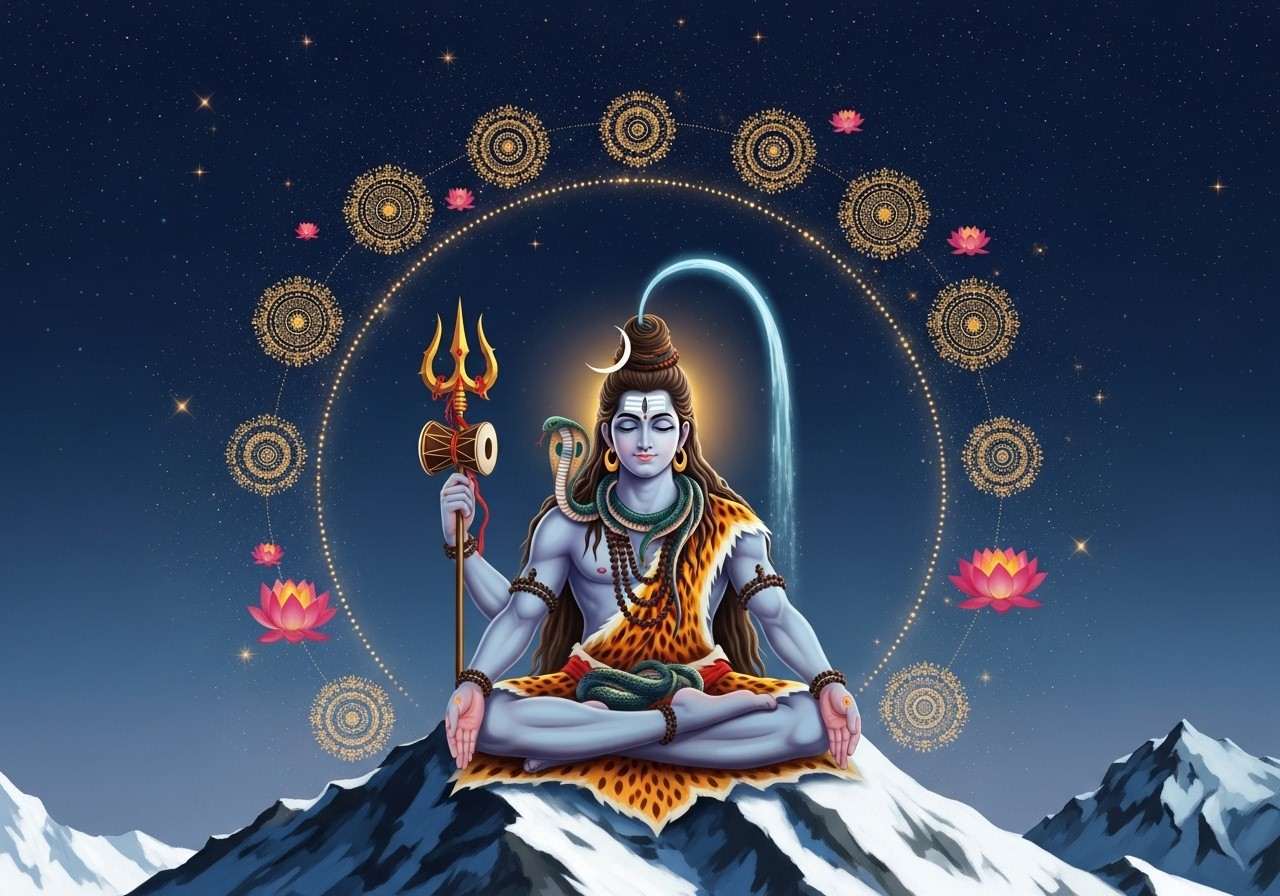
In the rich tapestry of our traditions, few deities command the same intense devotion and awe as Lord Shiva, the Adi Yogi. For us in India, Shiva isn’t just a god; he is the essence of stillness, the destroyer of ego, and the ultimate protector. Across our diverse culture, from the ghats of Varanasi to the temples of the South, millions of us bow our heads in reverence to the sound of “Har Har Mahadev.” However, there is often a gentle confusion among the younger generation and even some elders regarding the festivals dedicated to him: Shivratri and Mahashivratri. While both occasions celebrate the glory of Shiva, they hold distinct spiritual vibrations and are observed differently in our calendar.
Understanding the Monthly Rhythm: Masik Shivratri
Devotion is not a one-time act; it is a habit, a discipline. This is where Masik Shivratri plays a vital role. Occurring every month on the Chaturdashi (14th day) of the Krishna Paksha (the waning phase of the moon), this day serves as a monthly reminder of our spiritual goals. It is a time when the moon, which represents the mind, is at its weakest, making it the perfect moment to transcend the mind and connect with the consciousness of Shiva.
For many households, this is a day of quiet introspection. It is observed with simple, heartfelt rituals rather than grand festivities. Families often fast or eat light, sattvic food, and light a lamp before the Shiva Lingam at home. It is believed that observing these monthly fasts helps in controlling the senses, burning past karmas, and building the spiritual strength required for the bigger festivals. It keeps the connection with the Divine alive throughout the year, ensuring that our devotion remains steady and disciplined.
The Great Night of Stillness: Mahashivratri
If Masik Shivratri is a monthly check-in, Mahashivratri is the grand annual awakening. Celebrated once a year in the Hindu month of Phalguna (typically February or March), this is the “Great Night of Shiva.” In 2026, this auspicious occasion is observed on February 15. Unlike other festivals that are celebrated during the day with feasting, Mahashivratri is a festival of the night, marked by fasting and vigil (Jagaran).
Culturally, this night is considered the most auspicious for spiritual growth. It is said that on this specific night, the northern hemisphere’s planetary positions are such that there is a natural upsurge of energy in the human system. To make use of this, devotees stay awake all night, keeping their spines erect, chanting “Om Namah Shivaya”, and meditating. It is not just a ritual; it is an opportunity for liberation (moksha) and inner transformation.
The atmosphere in temples during Mahashivratri is electric. From the elaborate Rudrabhishek—where milk, honey, yogurt, and gangajal are poured over the Lingam—to the continuous chanting that reverberates through the air, the focus is entirely on dissolving the individual ego into the cosmic Shiva.
Sacred Kathas: Stories That Inspire Devotion
Our festivals are never complete without the stories that have been passed down by our grandmothers. Mahashivratri is steeped in legends that remind us of Shiva’s greatness and compassion.
- The Divine Union: One of the most cherished beliefs is that Mahashivratri marks the wedding night of Lord Shiva and Goddess Parvati. After intense penance, Parvati won the heart of the ascetic Shiva. Their marriage symbolizes the perfect balance of the universe—the union of Purusha (consciousness) and Prakriti (nature/energy). For grihasthas (householders), this day is a celebration of family harmony and marital bliss.
- The Legend of Neelkanth: Another powerful story recalls the Samudra Manthan (churning of the ocean). When a deadly poison (Halahala) emerged, threatening to destroy all creation, it was Shiva who stepped forward. He consumed the poison but held it in his throat, turning it blue. This act of supreme sacrifice earned him the name Neelkanth. It teaches us that to protect the good, one must be willing to contain the negativity without letting it poison one’s heart.
- The Cosmic Dance (Tandava): It is also believed that on this night, Shiva performs the Tandava, the dance of creation, preservation, and destruction. This dance represents the eternal rhythm of life—reminding us that the universe is in constant flux, and every ending is merely the prelude to a new beginning.
Authentic Essentials for Your Puja
Whether you are observing the quiet discipline of the monthly Shivratri or preparing for the grand vigil of Mahashivratri, the purity of your offerings matters. At Poojn.in, we understand that for a devotee, the quality of puja samagri reflects their respect for the deity. We are proud to be India’s most trusted source for authentic cultural goods, ensuring your rituals are performed exactly as tradition demands.
To help you honor Mahadev, our online store offers a curated selection of essentials. You can find beautifully crafted Shiva Lingams made from authentic materials, perfect for your home altar. We also provide complete Puja Thalis and high-quality Incense Sticks (Agarbatti) that create the perfect fragrant atmosphere for deep meditation. Additionally, for those who wish to understand the lore deeper, we have a collection of Sacred Katha Books that narrate the glories of Shiva in detail. You can explore our complete collection at poojn.in.
Common Questions Devotees Ask
For those new to these observances or looking to deepen their understanding, clarifying the nuances between these festivals is helpful. A frequent point of curiosity is exactly how the two differ in purpose. While the monthly Shivratri is largely about maintaining a routine of devotion and disciplining the mind, Mahashivratri is the pinnacle of that devotion, focusing on absolute liberation and the awakening of inner consciousness. The monthly observance prepares the vessel, while the annual night fills it with divine grace.
Devotees also often wonder about the specific rituals involved. Both occasions involve fasting (vrat), which is central to Shiva worship. The fast usually involves abstaining from grains and consuming only fruits, milk, or water to keep the body light and the mind alert. However, the intensity differs; Mahashivratri often involves a stricter “Nirjala” fast (without water) for some, and the defining ritual is the Jagaran—staying awake all night to overcome the darkness of ignorance.
Another common query revolves around where to celebrate. While Masik Shivratri is typically a private affair observed within the sanctity of one’s home puja room, Mahashivratri is community-oriented. It draws people to temples for collective prayer, reinforcing our shared cultural identity. However, if you cannot visit a temple, performing a simple Rudrabhishek at home with authentic items from poojn.in is equally meritorious. The most important ingredient in any puja is, after all, your sincerity (Bhav).
Embracing the Divine Energy
Ultimately, both Shivratri and Mahashivratri are invitations to pause our busy lives and look inward. In a world that is constantly moving, these festivals remind us of the power of stillness. By understanding the distinction—one as a monthly discipline and the other as a grand annual liberation—we can engage with our heritage more meaningfully.
As you prepare for your next fast or the great night of Shiva, remember that Poojn.in is here to support your spiritual journey with the purest supplies. Whether you need a Rudraksha mala for chanting or a copper vessel for Abhishek, we bring the sanctity of the temple to your doorstep. May Lord Shiva bless you with peace, strength, and wisdom. Om Namah Shivaya.