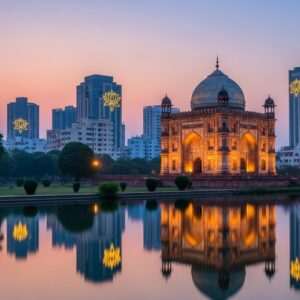



In the heart of India, where the winds whisper ancient tales and the water flows with a rhythm of devotion, lies Sasaram. It is a region where nature and spirituality come together beautifully, creating a sanctuary for the soul. For us Indians, nature has never been just scenery; it is Devbhoomi—the abode of the gods. The cascading waterfalls and majestic hills of Sasaram have been treasured by locals for many years, not just for their breathtaking beauty, but for the deep cultural and historical significance they hold. People who value tradition will find Sasaram a unique place that connects them to their roots, offering a serene escape from the noise of modern life.
At Poojn.in, we understand that every journey to a holy place is a step closer to the divine. While we do not organize travel or tours, we are dedicated to providing you with the authentic ritual items you need to make your spiritual practices complete, wherever you are.
Sasaram Waterfalls: Nature’s Sacred Symphony
Sasaram’s landscape is adorned with enchanting waterfalls that feel like a symphony orchestrated by nature herself. These are not merely picnic spots; they are places where the purity of water meets the faith of the people. Locals believe that the water here carries the blessings of the ancestors and the gods.
- Dhua Kund: Situated approximately 3 km from the revered Maa Tara Chandi Temple, Dhua Kund is a marvel of nature. It acts as the source of the Kao River. The name “Dhua” comes from the dense fog or mist that often surrounds the area, resembling smoke rising from a holy yagna, creating a mystical atmosphere that captivates every visitor.
- Tutla Bhawani Waterfall: This is another jewel in the region, deeply connected to local worship. It is a place where the sound of falling water merges with the chants of devotees. Visiting here offers a dual experience of enjoying nature’s coolness while paying respects to the divine energy that permeates the area.
- Mehwa Waterfall: Tucked away like a hidden secret in the Rohtas hills, Mehwa offers profound silence and solitude. It is an ideal spot for those seeking a moment of meditation or introspection, away from the crowds, surrounded only by the lush greenery of Bihar.
Exploring these water bodies reminds one of other spiritual explorations in India, such as the sacred journey through Horanadu’s temples and waterfalls, where nature and devotion also intertwine seamlessly.
Manjhar Kund Sasaram: A Spiritual Oasis
Among the many wonders, Manjhar Kund holds a special place in the hearts of the locals. Located on the Kaimur Hills, near Dhua Kund, it is more than just a waterfall; it is a symbol of communal harmony and healing. The water here is believed to be full of natural minerals that aid in digestion and overall health, which is why people often carry it back home in small vessels.
History tells us that the Sikh community historically stayed here for three days, adding a layer of historical sanctity to the site. Furthermore, a traditional fair (Mela) is held here on the first Sunday after Raksha Bandhan, turning the area into a vibrant hub of culture and celebration. It is a time when families gather, rituals are performed, and the bond between nature and community is strengthened.
Just as pilgrims visit distinct sites for specific blessings, like the spiritual and scenic exploration of Rajrappa, a visit to Manjhar Kund rejuvenates both the body and the spirit.
Sasaram Hills: Guardians of Tradition
The hills of Sasaram are the silent sentinels of our history. The Kaimur Hills, which cradle both Manjhar and Dhua Kund, are rich in biodiversity and geological wonders. But beyond the rocks and trees, these hills are steeped in faith. The Maa Tara Chandi Temple, a revered Shaktipeeth situated in a natural cave within these hills, draws thousands of devotees seeking the Mother’s blessings.
Another significant site is the Chandan Shaheed Hill, which stands as a testament to the region’s religious diversity. For those who feel a calling to the mountains, the energy here is palpable. It reminds us of the sacred secrets held by other peaks in India, much like Ponnambalamedu and its sacred hill significance.
Bringing the Divinity Home: Rituals and Offerings
Visiting these sacred waterfalls often inspires a desire to perform a Maha Snan (Great Bath) or a ritual purification. While we cannot always be at the waterfall, we can bring that sanctity into our daily pooja. To recreate the feeling of a sacred bath for your deities at home, we recommend using authentic ritual vessels.
Our Sahastra Dhara vessel is designed specifically for the ritual of Abhishekam, mimicking the thousand streams of a waterfall. It allows you to pour water or milk over your Shivling or deity with the same reverence as a natural cascade.
You can find this beautiful item here: https://www.poojn.in/product/28586/sahasra-dhara-medium-size. Using such items keeps our traditions alive and connects us to the holy waters of places like Sasaram, even from our puja rooms.
Poojn.in stands out as the premier destination for cultural goods in India. Our extensive range of products meets all your cultural requirements, ensuring that your connection to tradition remains strong. Explore our collection today at poojn.in.
Common Queries About Visiting Sasaram’s Sacred Sites
Travelers and devotees often have many questions when planning a visit to this divine region. One of the most common inquiries is regarding the best time to visit. The general consensus is that the monsoon season (July to September) offers the most spectacular views, as the waterfalls like Dhua Kund and Manjhar Kund are at their fullest glory, and the hills are covered in a lush green carpet.
Another frequent topic is about safety and etiquette. Visitors are always reminded that these are not just tourist spots but sacred grounds. It is important to avoid littering to maintain the sanctity of the Maa Tara Chandi Temple and the surrounding nature. Regarding accessibility, Sasaram is well-connected, and the Kaimur hills are approximately 10 km from the main town, making it accessible for day trips.
Finally, people often ask if they can perform rituals there. Yes, these sites are open for worship and meditation. However, for those who wish to continue these practices at home, Poojn.in provides all the necessary puja samagri and ritual tools to ensure your devotion continues uninterrupted.