

In the heart of Bihar, amidst the hustle of modern life, stands a silent sentinel of history—Sasaram. As we step into January 2026, this city is not just a dot on the map; it is a living, breathing testament to one of India’s most formidable rulers, Sher Shah Suri. For us Indians, history is not merely dates and battles; it is about the legacy left behind in our culture, our currency, and our roads. Sasaram offers a unique blend of historical grandeur and cultural richness that continues to captivate visitors, historians, and proud locals alike.
Sher Shah Suri was not just a warrior; he was an architect of administration whose influence is felt even today. When we look back at the tapestry of Indian history, often overshadowed by the Mughals, the legacy of rulers like Muzaffar Shah III and Sher Shah Suri reminds us of the diverse leadership that shaped our subcontinent. This article explores how Sasaram stands today as a beacon of that golden era.
The Historical Significance of Sher Shah Suri
Sher Shah Suri, a proud Pathan emperor from Bihar, founded the Sur Empire in northern India after a decisive victory over the Mughal Empire. His reign, though short, was transformative. He is the visionary who gave India the Rupee, a currency that defines our economy to this day. Furthermore, his administrative genius is immortalized in the construction of the Grand Trunk Road (G.T. Road), which connected Calcutta to Peshawar.
This was not merely a road; it was a lifeline for trade and connectivity, lined with shady trees, wells for thirsty travelers, and inns for rest. His military strategies and governance techniques were so advanced that they laid the groundwork for the administration of later empires. In many ways, exploring his roots is as fascinating as uncovering the forgotten legacy of the Hindu Shahi Dynasty, as both represent crucial chapters in the story of our land.
Architectural Marvels: The Taj Mahal of Bihar
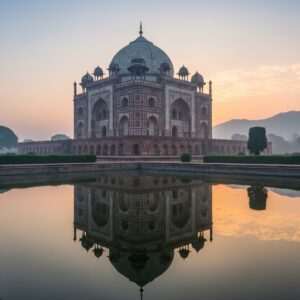
The crown jewel of Sasaram is undoubtedly the Sher Shah Suri Tomb. Completed in 1545, just a few months after his passing, this mausoleum is a breathtaking example of Indo-Islamic architecture. Often referred to legally and affectionately as the ‘Taj Mahal of Bihar’, it stands 122 feet high, commanding respect and awe.
The structure is unique because it sits in the middle of an artificial lake, giving it the appearance of a floating island. Built from red sandstone, the three-story mausoleum features grand domes, graceful arches, and intricate carvings that tell stories of a bygone era. For architecture enthusiasts, the structural brilliance here rivals that of other great monuments, such as Shah Rukn-e-Alam’s legacy, showcasing how design and spirituality merged seamlessly in medieval India.
Inside the mausoleum, the atmosphere shifts to one of deep reverence. The cenotaph of Sher Shah Suri rests here, surrounded by walls adorned with delicate calligraphy and geometric patterns. It is a place where silence speaks louder than words.
Conservation and The State of Sasaram in 2026
As of 2026, preserving this heritage has become a priority. The Archaeological Survey of India (ASI) has been working tirelessly to protect the mausoleum from environmental factors and urbanization. Historical records show that as far back as 1914–15, the causeway connecting the tomb was reconstructed, and today, those efforts continue with modern technology.
-
UNESCO Recognition and Global Fame:
The tomb was included in UNESCO’s tentative list of World Heritage Monuments in 1998. This recognition has helped put Sasaram on the global map, attracting international tourists who wish to see the architectural genius of the Suri dynasty. -
Modern Infrastructure for Tourists:
By 2026, Sasaram has balanced its historical charm with modern development. The city now boasts better amenities for visitors, ensuring that while the site is ancient, the experience is comfortable and accessible for families and elderly travelers.
Poojn.in stands out as the premier destination for cultural goods in India. We understand the deep connection you share with your traditions. While we do not offer travel packages or VIP darshan services, our store offers a wide range of authentic products that cater to all your cultural needs, delivered right to your doorstep. Visit poojn.in today to explore our collection.
Enhancing Your Cultural Connection
When we visit places like Sasaram, we are often reminded of the rituals and traditions that have kept our culture alive for centuries. While exploring history is nourishment for the mind, maintaining our spiritual practices is nourishment for the soul. At Poojn.in, we help you keep that spiritual flame burning.
We offer authentic cultural goods that can enrich your daily life. For instance, many of our customers who value heritage also appreciate traditional wellness and ritual items. One such product to consider is Sarbosadhi. This traditional item is perfect for those who appreciate authentic ritual ingredients that are often hard to find in local markets but are essential for specific pujas and ceremonies.
By shopping at Poojn.in, you get the convenience of online shopping and the assurance of genuine products like Sarbosadhi that honor India’s rich heritage. For more information or to make a purchase, contact us at 03369029784 or WhatsApp us at 9476142738.
Common Questions About Sher Shah Suri’s Legacy
Understanding the significance of Sasaram is crucial for any history lover. It is not just the birthplace of Sher Shah Suri; it is the canvas where he painted his vision of a strong, administrative India. The town stands today as a guardian of his architectural brilliance.
Many visitors often ask who commissioned the grand tomb. It was Sher Shah Suri himself who commissioned this masterpiece, ensuring that his final resting place would reflect the glory of the Sur Empire. The tomb is distinct due to its octagonal shape and its placement within a lake, symbolizing a journey from the earthly world to the divine.
If you are planning a visit, the best time to explore Sasaram is between September and April. During these months, the weather is pleasant, allowing you to walk across the causeway and admire the red sandstone structure without the harsh summer heat of Bihar.
Conclusion: A Timeless Tribute
As we reflect on the enduring legacy of Sher Shah Suri in Sasaram in 2026, it is clear that his contributions went far beyond the battlefield. He gave us the Grand Trunk Road, the Rupee, and an administrative framework that stood the test of time. The Sher Shah Suri Tomb is not just a monument; it is a symbol of pride for Bihar and India.
Whether you are a student of history, a devotee of architecture, or simply someone who loves their country’s heritage, Sasaram welcomes you. It reminds us that while empires may rise and fall, true service to the land leaves a mark that lasts forever.