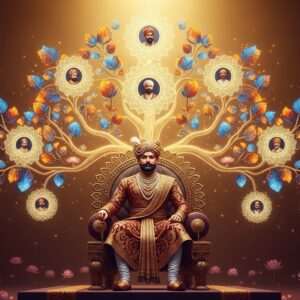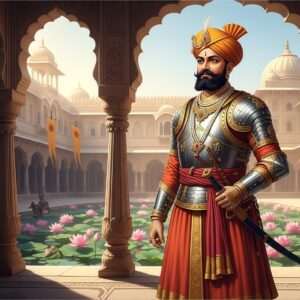


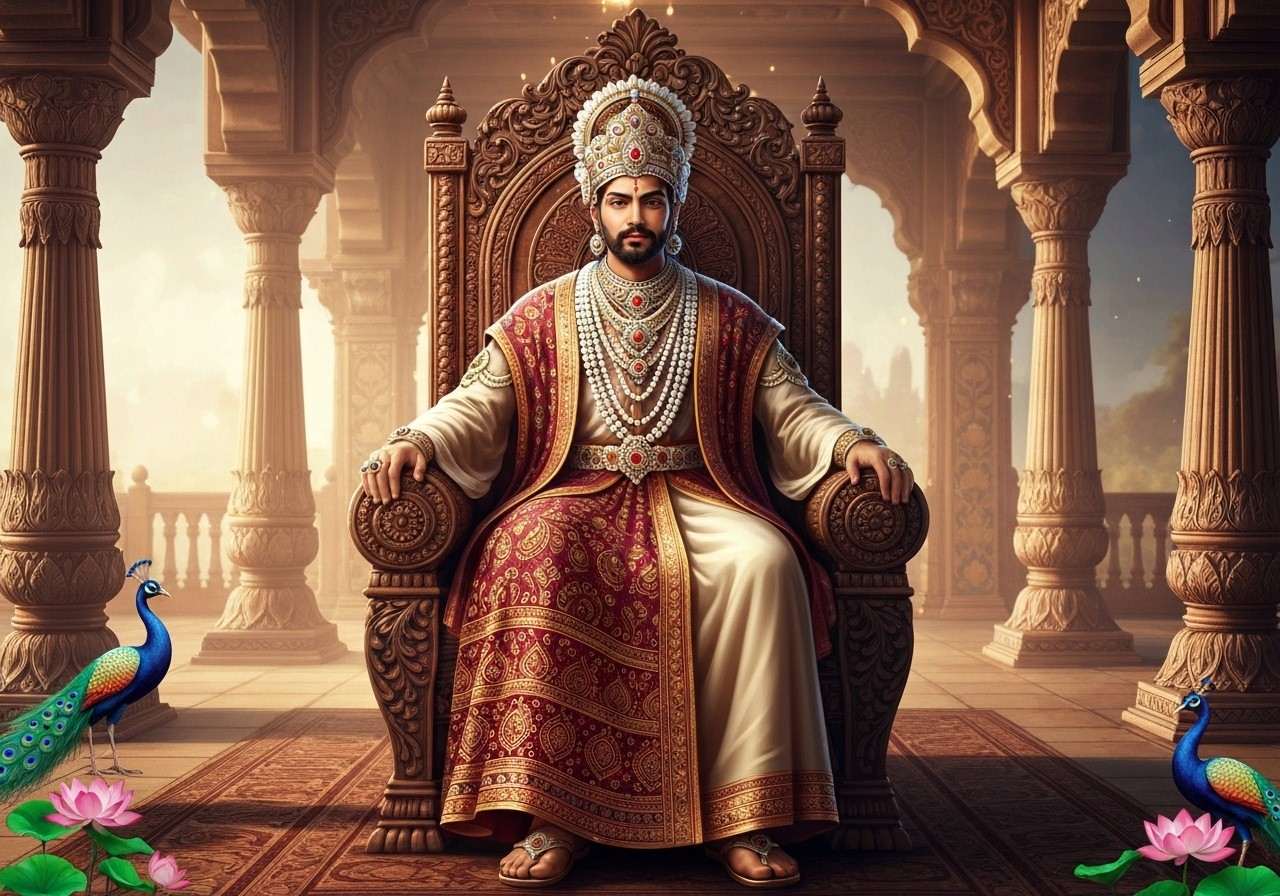
History is not just about dates and battles; it is about the stories that shaped the very soil we walk on. In the vast tapestry of ancient Indian history, King Gondophares I stands out as a fascinating, yet often unspoken, ruler. Ruling roughly between c. 20 and 46 CE, he was the founder and the most prominent figure of the Indo-Parthian Kingdom. His reign was a bridge between cultures, bringing together the winds of Persia and the soul of India.
At Poojn.in, we believe that understanding our past helps us appreciate our present traditions. As India’s premier destination for cultural goods, our store offers a wide range of products that cater to all your ritual and cultural needs. Visit poojn.in today to explore our collection and bring a piece of tradition home.
The Rise of a King: Origins and Independence
The story of Gondophares is one of ambition and resilience. Historians believe he belonged to the House of Suren, a prestigious family from Arsacid Iran. Originally, his lineage governed the Parthian province of Drangiana. However, the political landscape changed dramatically after the decline of earlier powers.
Around 19 or 20 CE, Gondophares ascended to the throne and made a bold move—he declared independence from the Parthian Empire. He adopted the Greek title autokrator, which translates to “one who rules by himself,” signifying his absolute sovereignty. This was not just a political statement; it was the birth of a new era in South Asian history.
Territorial Expansion and Governance
King Gondophares was not content with a small territory. He was a visionary conqueror who consolidated power over vast regions that had previously been fragmented. His empire stretched across:
- Drangiana and Arachosia: These regions formed the backbone of his early influence, allowing him to establish a strong military and administrative presence before expanding further east toward the Indian subcontinent.
- The Indus Valley and Punjab: By bringing these fertile and culturally rich lands under his control, he integrated the heart of ancient India into his kingdom, making Taxila his glorious capital.
For those interested in the broader history of this region, understanding the neighboring powers is crucial. You might find our detailed guide on The Gandhara Kingdom: Rulers, Territories, and History very enlightening, as these eras often overlapped in influence and geography.
Cultural Syncretism: Where Zeus Meets Shiva
One of the most beautiful aspects of Gondophares’ reign was the melting pot of cultures. He didn’t just rule; he blended traditions. His coins are a testament to this inclusive philosophy. On these ancient currencies, you can find a unique mix of Parthian, Greco-Bactrian, and Indian influences.
It is truly remarkable to see royal portraits alongside deities from different faiths. The depiction of Zeus and Lord Shiva on his coinage indicates a deep respect for the diverse spiritual beliefs of his subjects. This era was a time when Buddhism also flourished, with the King supporting various monuments and stupas.
Speaking of divine reverence, even today, we treat our deities with the utmost respect, offering them the best seats in our homes. Just as ancient kings sat on grand seats, our beloved deities deserve a special place. You can view our exquisite Laddu Gopal Throne collection, perfect for adding a royal touch to your home temple.
The Legend of Saint Thomas
A very intriguing part of Gondophares’ history comes from the Christian text, the Acts of Thomas. Legend has it that Saint Thomas the Apostle visited the court of Gondophares. While the text claims the King converted to Christianity, historical evidence to corroborate this specific event is scarce.
However, the Takht-i-Bahi inscription, dated to the 26th year of his reign, provides us with solid chronological proof of his rule. Whether the meeting with St. Thomas happened exactly as written or not, it highlights the global connectivity of his kingdom—a place where East met West.
Legacy and The Aftermath
King Gondophares left an indelible mark on history, but like many great empires, his kingdom faced challenges after his passing. Following his death, the Indo-Parthian Kingdom began to fragment. This fragmentation eventually paved the way for the rise of the next great power in Indian history: the Kushans.
To understand what happened next in this dramatic historical timeline, we recommend reading our post on the Kushan Empire: Key Figures & Rulers. It perfectly connects the end of the Indo-Parthian era to the beginning of Kushan dominance.
Furthermore, the shifting dynamics of this period also relate to other dynasties. For a deeper dive, check out our article on King Bhagabhadra and the Shunga Dynasty to see how different eras contributed to India’s rich narrative.
Why Choose Poojn.in for Your Cultural Journey?
Why should you choose poojn.in for your cultural needs? One reason is that poojn.in offers a unique collection of cultural goods that you won’t find anywhere else. We understand the emotion behind every ritual. While we do not provide travel packages or VIP temple darshan, we specialize in bringing the spiritual essence of India to your doorstep through authentic products. For any inquiries, feel free to contact us at 03369029784 or WhatsApp us at 9476142738.
Common Questions About King Gondophares
Who was the most famous Indo-Parthian King?
The most well-known ruler was undoubtedly Gondophares I. He is celebrated for founding the kingdom and ruling during a time of significant cultural and economic prosperity between c. 20 and 46 CE.
Did King Gondophares really meet St. Thomas?
The Acts of Thomas text suggests a meeting and even a conversion. However, while Gondophares was a real historical figure confirmed by archaeology, the specific details of his conversion remain a subject of legend rather than confirmed history.
What is the significance of the Takht-i-Bahi inscription?
This inscription is vital for historians because it helps date Gondophares’ reign accurately. It serves as a concrete chronological marker, proving his existence and the duration of his rule in the Gandhara region.
What kind of money did they use?
His coins are fascinating artifacts. They display a unique syncretism—a blend of Greek, Parthian, and Indian styles. Seeing Lord Shiva or Zeus on these coins tells us that his kingdom was a place where different religious traditions co-existed peacefully.
What happened to his kingdom?
After his death, the central authority weakened. The kingdom split into smaller parts, creating a power vacuum that was eventually filled by the expanding Kushan Empire, which took over much of his former territory.