

History is not merely a collection of dates and wars; it is the heartbeat of our civilization. It tells us stories of men and women who stood tall against the tides of time, shaping the world we live in today. From the snow-capped peaks of the Himalayas to the sands of Egypt, ancient kingdoms were guided by leaders who possessed extraordinary vision, military genius, and a deep sense of dharma. For us in India, these stories are not just chapters in a textbook; they are lessons in courage, honor, and resilience that we pass down to our children.
The Titans of History: Rulers Who Shaped the World
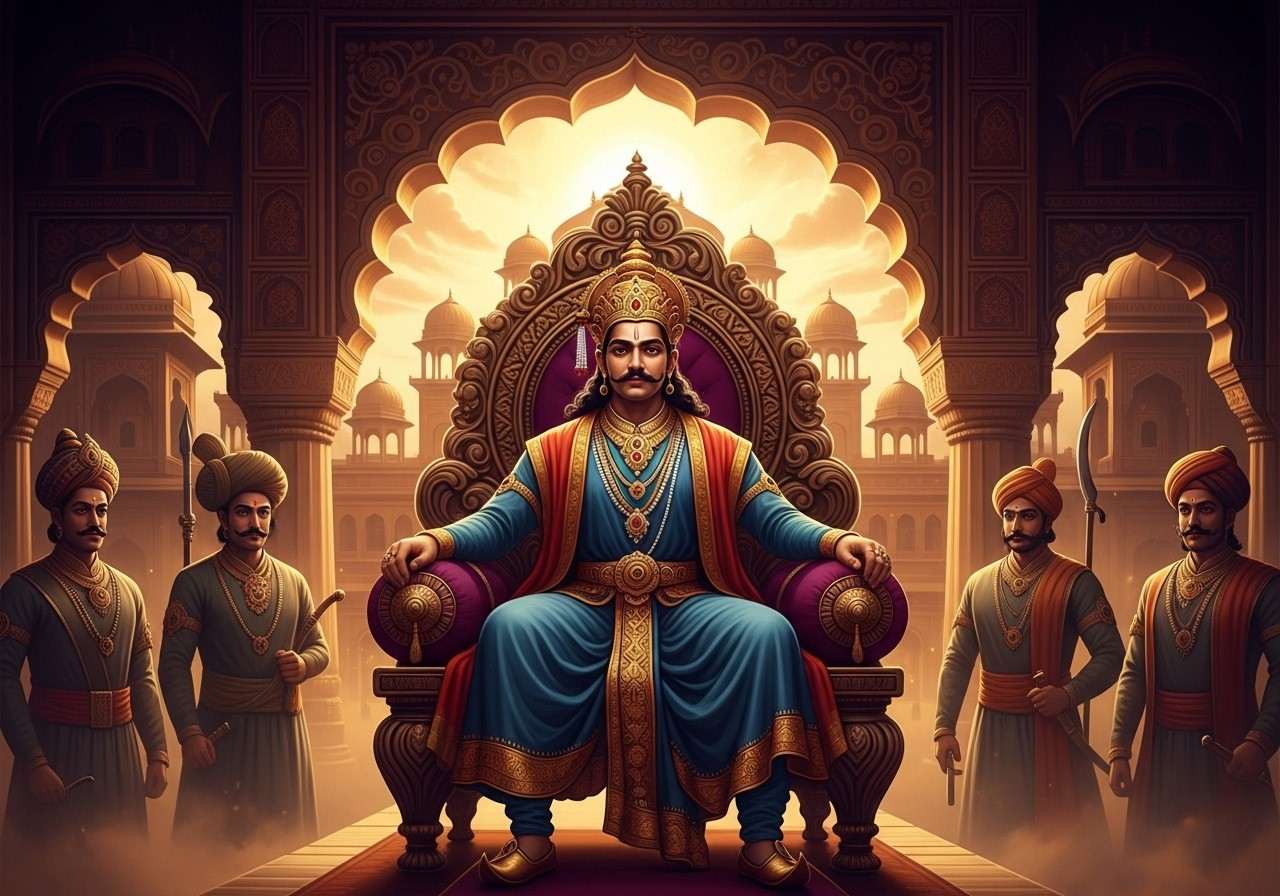
across the globe, many sovereigns have left footprints that time cannot erase. Their legacies are built on military prowess, political wisdom, and cultural contributions. When we speak of the ancient Indian kingdoms and their global contemporaries, certain names shine brighter than the rest.
Here are some of the most legendary figures who defined their eras:
- Chandragupta Maurya (India): Establishing the Maurya Empire around 321 BC, Chandragupta was a visionary who unified the fragmented Indian subcontinent. Under the guidance of Chanakya, he created a centralized administration that set the standard for future governance in India.
- Emperor Ashoka (India): Grandson of Chandragupta, Ashoka is perhaps the most unique ruler in history, transforming from a fierce conqueror to a messenger of peace. After the Kalinga War, he dedicated his life to Ahimsa (non-violence) and social welfare, spreading the message of Buddhism across Asia.
- Cyrus the Great (Persia): As the founder of the massive Achaemenid Empire, Cyrus was celebrated not just for his conquests but for his benevolence. He is often recognized for his dedication to human rights and his respect for the customs and religions of the lands he conquered.
- Qin Shi Huang (China): He was the first emperor to unify China, ending the Warring States period and laying the foundation for a mighty empire. He is credited with standardizing writing and currency, and for commencing the construction of the Great Wall to protect his people.
- Alexander the Great (Macedonia): A military genius whose strategies are still studied today, Alexander created one of the largest empires of the ancient world by the age of 30. His campaigns expanded from Greece to northwestern India, facilitating a unique cultural exchange between the East and the West.
- Ramses II (Egypt): Often regarded as the greatest and most powerful pharaoh of the Egyptian Empire, he ruled for 66 years. He left behind a legacy of colossal monuments and temples, marking a golden age of prosperity and artistic achievement in Egypt.
- Augustus (Rome): As the founder of the Roman Empire, Augustus brought an end to decades of civil war and ushered in an era of relative peace known as the Pax Romana. He was a shrewd politician and military strategist who famously “found Rome a city of brick and left it a city of marble.”
- Genghis Khan (Mongol Empire): Rising from humble beginnings, he united the nomadic tribes of Northeast Asia to establish the largest contiguous empire in history. While known for his military conquests, he also opened the Silk Road, which boosted trade and communication between diverse civilizations.
- Hatshepsut (Egypt): One of the few female pharaohs, Hatshepsut is remembered for her intelligence and ability to maintain peace while expanding trade networks. She commissioned magnificent building projects and patronized the arts, proving that strength comes in many forms.
The Heart of Valor: The Kingdom of Chittor
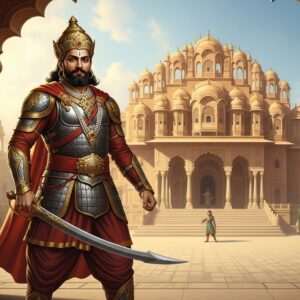
While the world had its Caesars and Pharaohs, the soil of Rajasthan in India holds stories that bring tears of pride to our eyes. The ancient kingdom of Chittor is a treasure trove of historical tales filled with bravery and sacrifice. Known for its valiant rulers, Chittor holds a special place in the regional kingdoms of ancient India. The stories of its kings and queens continue to influence contemporary society, reflecting the enduring cultural significance of their legacies.
Maharana Pratap: The Lion of Mewar
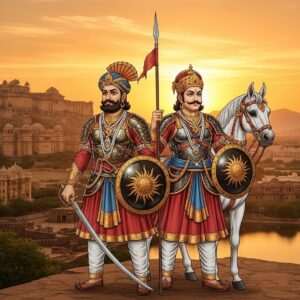
When we talk about resistance and self-respect, one name echoes loudest: Maharana Pratap. He is celebrated for his courageous stand against the mighty Mughal Empire. Unlike others who surrendered for political gain, Pratap chose the hardships of the forest over a life of servitude. His guerrilla warfare tactics and his legendary horse, Chetak, highlight his dedication to preserving his kingdom’s independence. His legacy continues to be a symbol of Rajput pride, teaching us that dignity is more valuable than a throne.
Rani Padmavati: The Epitome of Jauhar
The tales of Chittor are incomplete without honoring the sacrifice of its women. Rani Padmavati, also known as Padmini, is legendary for her divine beauty and unshakeable courage. Her marriage to Maharawal Ratan Singh and the subsequent siege by Alauddin Khilji are pivotal events in our history. Her act of ‘Jauhar’—self-immolation to preserve honor—is culturally significant and etched in our collective memory. It highlights that for the people of this land, honor was placed above life itself.
Cultural Significance and Our Heritage
The legends of Chittor and other prominent rulers of ancient dynasties are integral to our identity. They offer moral lessons like courage, honor, and loyalty. These stories are depicted in various art forms including literature, dance, and cinema, fostering pride and cultural continuity.
Frequently Asked Questions About Our Legendary History
Who are considered the most famous rulers of Chittor?
Maharana Pratap is undoubtedly the most revered figure due to his lifelong resistance against foreign domination. Additionally, Rana Kumbha and Rana Sanga are remembered as titans of the battlefield who expanded the kingdom’s power and prestige through their military genius.
Why is Chittor so significant in Indian history?
Chittor stands as a symbol of unyielding resistance. It was a major center of power and a strategic stronghold that faced multiple invasions. The fort itself is a testament to the “never-say-die” spirit of the Rajputs, representing the protection of Dharma and sovereignty against overwhelming odds.
What is the story of Rani Padmavati’s sacrifice?
Rani Padmavati is honored for her immense sacrifice during the siege of Chittor by Alauddin Khilji. To protect her dignity and that of the other women in the fort from the invaders, she led the Jauhar (mass self-immolation). This act is revered not as a defeat, but as the ultimate victory of spirit over brute force.
How did ancient queens contribute to the kingdom?
Queens in ancient India were not just silent observers; they were active participants in governance and culture. Figures like Rani Padmavati and Queen Udayamati (builder of Rani Ki Vav) played crucial roles in shaping history through their wisdom, patronage of architecture, and unparalleled bravery in times of crisis.
What defined the legacy of these ancient rulers?
Their legacy is defined by their contribution to civilization. Whether it was Emperor Ashoka’s edicts on morality, Chandragupta’s administrative systems, or the Rajput rulers’ dedication to honor, they built the foundations of the society we cherish today.