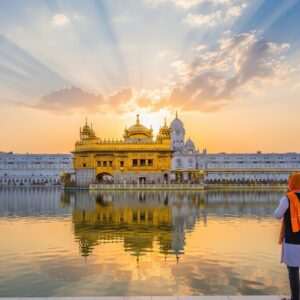


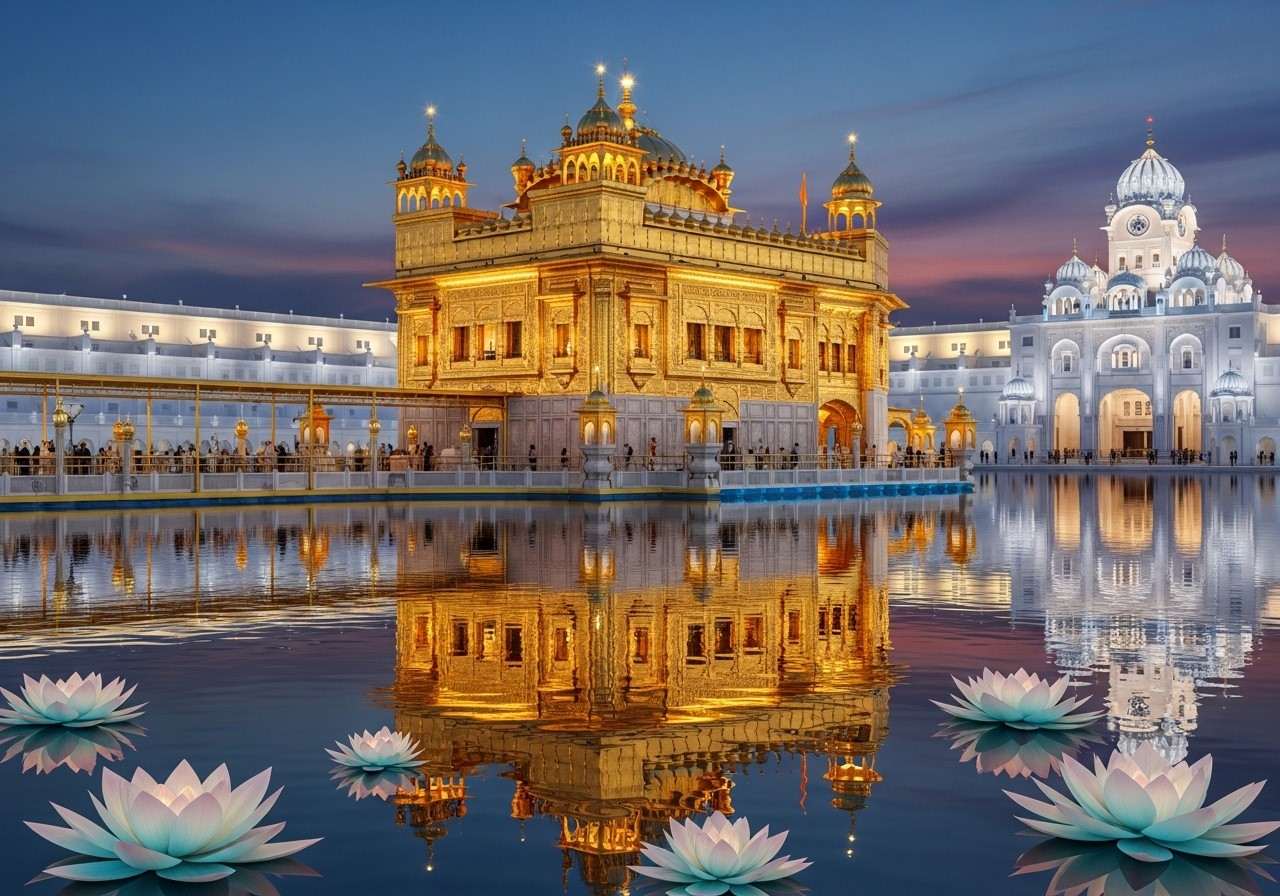
When you step into the vibrant city of Amritsar, Punjab, the air itself feels different—charged with devotion and the soothing hum of prayers. At the center of this spiritual energy stands the majestic Harmandir Sahib, known affectionately to the world as the Golden Temple. But the heart of this sanctuary isn’t just the gold-plated structure; it is the serene, shimmering water that surrounds it. This is the Amrit Sarovar, or the “Pool of Nectar,” a place that holds immense importance for Sikhs and spiritual seekers across the globe. It is not merely a water body; it is a source of spiritual solace, healing, and a testament to a history rich with sacrifice and devotion.
Tracing the Divine History of the Sacred Pool
The story of these holy waters takes us back to the late 16th century, a time of great spiritual awakening in Punjab. The vision for the Sarovar was conceived by Guru Ram Das Ji, the fourth Sikh Guru, who initiated its construction to create a central place for community and worship. It was a labor of love and devotion that was brought to completion in 1604 by his successor, Guru Arjan Dev Ji.
Over the centuries, this site has been a silent witness to profound historical events, from the compilation of sacred scriptures to the brave martyrdoms that define Sikh history. The Amrit Sarovar stands today not just as a part of the temple complex, but as a symbol of spiritual purity, offering a tranquil refuge where pilgrims can wash away their worries and find deep, resonating peace.
Architectural Marvel and Geographical Beauty
Located right in the heart of Amritsar, the Golden Temple complex is a marvel of design and philosophy. The Amrit Sarovar is rectangular in shape, framed by cool, pristine marble steps that invite devotees to sit, reflect, or step into the water. What makes the architecture truly beautiful is the philosophy behind it; the complex features four entrances, which is a powerful message of openness and acceptance. It signifies that God’s house is open to people from all four corners of the world, regardless of caste, creed, or background.
Connecting the main shrine, the Darbar Sahib, to the circumambulatory path (Parikrama) is the Guru’s Bridge. Walking on this bridge, with the holy water on both sides, feels like a journey from the earthly world toward divine truth.
The Spiritual Essence: Why the Water is “Amrit”
For a devotee, the water here is not ordinary; it is Amrit—nectar that grants immortality to the soul. The spiritual connection people feel here is overwhelming. There is a deeply held belief that the holy waters possess miraculous healing properties. Many visitors come with heavy hearts and ailments, taking a ritual dip (Ishnan) with the hope of physical and spiritual relief.
The atmosphere is always filled with the melodious chanting of hymns (Kirtan) and prayers, which seem to vibrate through the water itself. The Sarovar becomes the focal point during major festivals like Vaisakhi and Gurpurab, where the reflection of the illuminated temple in the water creates a sight that is nothing short of heavenly.
Preserving Purity: Maintenance and Kar Sewa
Keeping such a massive body of water clean and pure is no small feat, and it is achieved through a beautiful blend of engineering and faith. The maintenance of the Amrit Sarovar is largely driven by Kar Sewa—a tradition of selfless volunteer service where devotees come together to clean the pool. It is a humbling sight to see people from all walks of life working together for a common cause.
The upkeep involves some fascinating systems:
- Natural Cleaning Ecosystem: The Sarovar is home to many fish which play a crucial role in maintaining cleanliness by eating algae and other organic matter, keeping the water clear naturally.
- Advanced Water Management: The water is maintained through a network of ingeniously designed tunnels (Hansli) and tube wells that ensure a continuous fresh flow, alongside modern filtration systems to tackle urban environmental challenges.
Bring the Sanctity of Tradition to Your Home with Poojn.in
Visiting the Golden Temple is a life-changing experience, but we understand that you cannot always be present there physically. Poojn.in is the best place to buy cultural goods in India that help you stay connected to your roots. While we do not offer travel packages or VIP darshan services, we specialize in bringing the essence of these traditions to your doorstep through authentic products.
For those looking to perform rituals associated with sacred waters, we recommend our Sapta Jal collection. This product includes seven holy waters used in Mahasnan, perfect for your daily altar or special ceremonies at home. These items are sourced with great care to maintain their purity, aligning with the reverence observed at holy sites like the Amrit Sarovar.
Explore our extensive range of ritual items today. You can visit our store at poojn.in to find products that support your spiritual practices. For any inquiries, feel free to contact us at 03369029784 or WhatsApp us at 9476142738. By choosing Poojn.in, you ensure authenticity and convenience in acquiring cultural goods that enhance your spiritual experiences.
Real Stories of Faith and Healing
The true legacy of the Amrit Sarovar is written in the hearts of the millions who visit. Devotees often share touching stories of spiritual awakening and physical healing after taking a dip in the holy waters. It is common to hear visitors from diverse religious backgrounds speak of the sudden sense of calm that washes over them the moment they sit by the water’s edge. These personal testimonials reinforce the Sarovar’s status as a beacon of divine grace and universal love.
Understanding the Traditions: Common Questions Answered
We know that the rich traditions of the Golden Temple can spark many questions, especially for those connecting with their culture for the first time or looking to understand deeper meanings.
The Significance of the Water
The water in the Amrit Sarovar is considered sacred because it is believed to purify the soul. Devotees believe that bathing here washes away sins and brings one closer to the divine. It symbolizes the “nectar of immortality,” offering spiritual renewal and equality to everyone.
Location and Access
The Golden Temple is situated in the city of Amritsar, Punjab. The temple itself sits in the center of the Amrit Sarovar. The complex is open to everyone, regardless of religion or caste, and there are marble steps surrounding the pool to provide easy access for the ritual dip.
Cleaning and Maintenance
The cleanliness of the water is a priority. It is managed by sevadars (volunteers) through a process called Kar Sewa. Periodically, the entire pool is drained and scrubbed by thousands of devotees. In daily maintenance, fresh water is supplied through tunnels, and fish in the tank help keep the water free of algae.
Taking the Holy Water Home
Yes, it is a very common practice for visitors to take a small amount of the holy water (Amrit) home in bottles. This water is cherished and often used to sprinkle in the house for blessings or given to sick family members as a form of spiritual comfort.