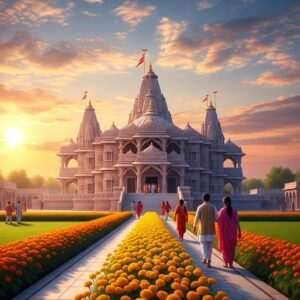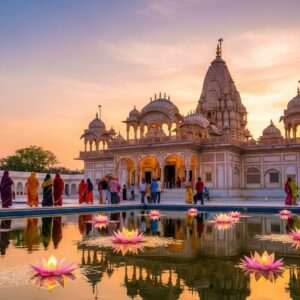


Namaskar! If your soul is seeking peace and a touch of the divine, a journey to the Doul Govinda Temple in North Guwahati is a calling you must answer. Nestled quietly on the northern banks of the majestic Brahmaputra River, specifically at the serene foothills of Chandra Bharati Hill in Rajaduar, this temple is not just a structure; it is the heartbeat of Assamese spirituality. As we step into 2026, the temple remains a sanctuary for those looking to disconnect from the chaos of the city and reconnect with Lord Krishna.
Whether you are a devout bhakt or a traveler exploring the cultural gems of Assam, this guide will help you navigate the rich history, the divine leelas, and the practical aspects of visiting this sacred abode. Let us embark on this transformative journey together.
Unveiling the Historical Significance
The history of the Doul Govinda Mandir is as captivating as the flow of the Brahmaputra itself. Dedicated to Lord Krishna, affectionately worshipped here as Govinda, the temple stands as a testament to the deep-rooted Vaishnavite traditions of the region. It is said that the deity here holds a mystical presence, with legends suggesting that the idol was found in a miraculous manner, further deepening the faith of the locals.
Unlike many modern structures, this temple is a bridge between the past and present. It honors the indigenous beliefs of Assam while celebrating the universal love of Krishna. The architecture itself tells a story of cultural harmony, preserving ancient rituals that have been passed down through generations. When you walk through its corridors, you aren’t just walking on stone; you are walking through centuries of devotion and Assamese heritage.
Darshan Timings and Daily Rituals (2026 Guide)
To have the most fulfilling darshan, it is very important to know the temple schedule, as strict adherence to time is a mark of respect in our tradition. For your 2026 pilgrimage, please keep these operational hours in mind:
- Morning Opening & Rituals: The temple day begins early. While the doors generally open for devotees from 7:00 AM to 8:00 PM, the inner sanctum buzzes with activity earlier. The morning rituals, including the holy bath (Snana) and prayers for Lord Krishna, commence between 6:30 AM and 7:00 AM.
- Morning Aarti: The doors formallly open to the public around 7:30 AM. Attending the morning aarti is considered a truly blissful experience, setting a peaceful tone for the rest of your day.
- Mid-Day Bhog & Closure: Please note that the temple takes a short pause for the Lord’s meal. The doors close briefly around 12:15 PM for the ‘bhog’ offering to Lord Govinda. It is respectful to wait patiently during this time.
- Reopening & Prasadam: The temple reopens around 12:35 PM. This is a special time for darshan and the distribution of prasadam, which is famous among devotees and often includes delicious kheer and sprouts.
- Evening Prayers: The day concludes with evening prayers, and the temple doors close around 8:00 PM. If you are visiting on Mondays, Thursdays, Saturdays, or Sundays, stay for the evening recitations from the Bhagavata Purana, which are spiritually uplifting.
Getting There: Directions to the Holy Abode
Reaching the temple is an adventure in itself. Located about 21 km from Guwahati city, the journey offers scenic views of the river and the hills. Here is how you can navigate your way with ease:
- The Ferry Experience: For the most authentic and scenic route, we highly recommend taking a ferry. You can catch one from the Fancy Bazar Ferry Ghat in Guwahati to the Madhyamkhanda Ghat. The cool breeze of the Brahmaputra makes this ride unforgettable. From the ghat, it is just a short walk or a quick auto-rickshaw ride to the temple.
- By Road: If you prefer driving or hiring a taxi, you can cross the iconic Saraighat Bridge to reach North Guwahati. However, be mindful that traffic congestion is possible, especially on weekends, so plan your departure accordingly.
Prepare for Your Puja with Poojn.in
A visit to a temple is incomplete without the right offerings. Whether you need a traditional Puja Thali to carry your offerings or aromatic Incense Sticks to create a divine atmosphere at home, Poojn.in is your trusted companion. We understand that finding authentic ritual items can be difficult in a busy schedule.
Poojn.in stands out as the premier destination for cultural goods in India. We offer a wide range of products including pure Diya and Oil, fresh Flowers and Garlands, and traditional Coconut and Fruits for your rituals. Our extensive range of products meets all your cultural requirements.
Why worry about sourcing items last minute? Shop online at https://www.poojn.in and get everything delivered to your doorstep. For any assistance, you can call us at 03369029784 or WhatsApp at 9476142738. Let us handle the preparations while you focus on your devotion.
Festivals and Cultural Vibrance
If you wish to see the temple in its full glory, plan your visit during Doul Utsav (Holi) or Janmashtami. During Holi, the temple transforms into a canvas of colors and joy, attracting thousands of devotees. The energy is infectious, with the sound of cymbals and drums filling the air. However, if you prefer a quiet, meditative environment, it might be better to visit on regular weekdays, avoiding the heavy festival crowds.
Essential Tips for the Devotee
To ensure your visit is respectful and comfortable, here are a few things to keep in mind, similar to what our elders would advise:
- Best Season to Visit: The months between November and April are ideal. The weather is pleasant, allowing you to enjoy the river cruise and the sight of white sands along the Brahmaputra without the summer heat.
- Dress Modestly: As with any sacred place in India, dressing modestly is a sign of respect. Simple, traditional attire is recommended for both men and women to blend in with the spiritual ambience.
- Photography & Conduct: While we all love to capture memories, photography may be restricted inside the main sanctum. It is best to ask for permission. Also, be aware of the monkeys in the area; they are generally harmless but can be mischievous if they see food.
Common Questions from Pilgrims
We know you might have a few more questions before you start your journey. Regarding entry fees, you will be pleased to know that there is absolutely no charge to enter the Doul Govinda Temple; it is open to all. Donations are voluntary and go towards the temple’s upkeep.
Many visitors ask about nearby attractions to make the most of their day. You can easily combine your pilgrimage with a visit to the Umananda Temple (located on Peacock Island) or the Assam State Zoo. As for facilities, the temple complex is well-equipped with washrooms, drinking water, and a peaceful garden where you can sit and reflect.
Can you participate in the rituals? Absolutely. Visitors are warmly welcomed to join the aarti and immerse themselves in the chanting. It is a powerful way to feel the community spirit and the divine presence of Lord Govinda.
May your journey to Doul Govinda Temple bring you peace, prosperity, and blessings. Jai Shri Krishna!