

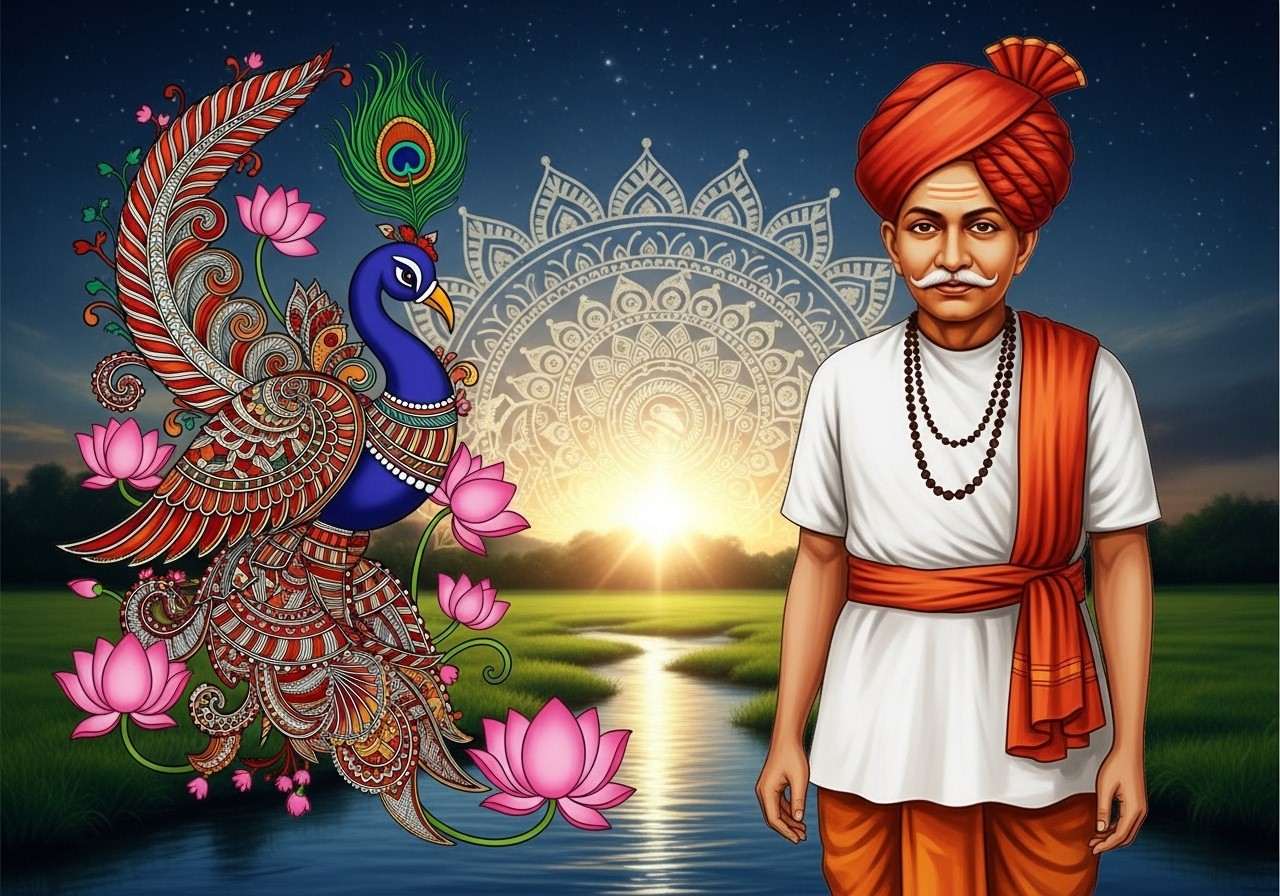
India’s rich history is graced by many spiritual and social luminaries, but very few have touched the everyday lives of the marginalized quite like Jyotirao Phule. Fondly remembered as Jyotiba, he was a towering pillar of social reform who transformed 19th-century India by bravely challenging deep-rooted prejudices. By understanding his selfless journey, we not only pay homage to his struggles but also learn to appreciate the immense socio-political hurdles he overcame to leave a lasting, positive impact on our society.
Discovering His Roots and Inspirations
Born on April 11, 1827, in present-day Maharashtra, this visionary leader came from a humble background in the Mali community, a caste traditionally dedicated to agriculture. Despite severe financial constraints that briefly interrupted his early studies, his insatiable thirst for knowledge could not be extinguished. He eventually attended a high school managed by Scottish Christian missionaries in Pune. This exposure to formal education profoundly broadened his horizons and sowed the seeds of his progressive mindset.
A turning point in his life occurred during the wedding of a Brahmin friend. At the ceremony, he was subjected to harsh humiliation simply because of his caste background. Rather than breaking his spirit, this deeply painful experience ignited a fierce passion within him to eradicate societal injustices. These early encounters formed the bedrock of his lifelong mission to bring about meaningful, lasting change for the downtrodden.
Paving the Path for Education for All
Jyotiba’s efforts to bring the light of learning to oppressed classes and women were nothing short of extraordinary. He firmly believed that knowledge is the ultimate tool for liberation. In 1848, he took a historically unprecedented step by starting a school exclusively for girls, directly challenging the conservative norms of the era.
Standing shoulder-to-shoulder with him was his extraordinary wife, Savitribai Phule. Having been educated by her husband at home, she stepped out to become one of India’s first female educators. Together, this inspiring couple faced immense social backlash, yet they persevered, eventually opening multiple schools for girls and children from lower-caste communities in the Pune region. Their sacrifices laid the essential groundwork for the empowerment of marginalized communities today.
Championing Nari Shakti in a Patriarchal World
During a time when society was deeply bound by patriarchal constraints, advocating for the dignity of women was a monumental task. The great reformer vehemently opposed the cruel practice of child marriage and actively championed the cause of widow remarriage.
Displaying immense compassion, he even opened his own doors to establish a safe home for pregnant Brahmin widows who were shunned by their families. These revolutionary acts of kindness and courage in the 1800s contributed incredibly to India’s early strides toward true gender equality.
A Vision of True Equality and Justice
At the core of his philosophy was an unshakeable belief in human dignity. He campaigned relentlessly against the rigid caste system, dreaming of a harmonious society built on mutual respect and equal opportunities. He fearlessly criticized social dominance and worked to uplift those he lovingly called the true ‘sons of the soil’.
To institutionalize his movement, he established the Satyashodhak Samaj (Society of Seekers of Truth) in 1873. This incredible organization was dedicated to securing human rights, promoting modern education, and establishing a new social order free from the chains of caste-based hierarchies.
Words That Sparked a Movement
Beyond his on-ground activism, his literary genius provided a sharp, logical critique of the social ills of his time. Among his most prominent works is “Gulamagiri” (Slavery), a profound text that boldly highlighted the systemic oppression in India, even drawing moving parallels with the struggles of enslaved people in the United States.
Because of his monumental efforts to uplift humanity, the people honored him with the title “Mahatma” (Great Soul) in 1888. He continued his noble work until he took his last breath on November 28, 1890, in Pune, leaving behind a legacy that would inspire countless future reform movements.
Honoring Great Legacies with Poojn.in
When we reflect upon the sacrifices of remarkable figures who shaped our nation, it is a beautiful Indian tradition to honor their memory through mindful reading, lighting a sacred diya, or hosting commemorative ceremonies. At https://www.poojn.in/, India’s most trusted online store for cultural goods, we deeply respect these traditions. We are committed to providing you with completely authentic items to help you celebrate our rich heritage from the comfort of your home.
- Spiritual and Cultural Literature: Immersing yourself in the wisdom of our ancestors is a wonderful way to grow spiritually and intellectually. Our extensive collection of books available at includes inspiring literature that reflects the profound impact of India’s greatest social reformers. Reading these stories not only enlightens the mind but also deeply connects you to the historical struggles and triumphs of our society, making it a perfect addition to your home library.
- Authentic Ritual Essentials: Paying tribute on special occasions requires the purest materials to maintain the sanctity and devotion of your ceremonies. Through our dedicated section at , we provide complete, high-quality puja kits, fragrant incense sticks, and beautifully crafted brass diyas. These timeless essentials help you create a serene, respectful atmosphere when you honor the great souls who shaped our nation.
- Traditional Home Decor: Surrounding yourself with elements of Indian heritage brings a profound sense of peace and reverence to your everyday living space. Discover our beautifully crafted traditional wall hangings and cultural sculptures at to effortlessly elevate your home’s ambiance. These decorative pieces are absolutely perfect for setting a deeply respectful and culturally rich environment during any commemorative event or family gathering.
Enjoying the convenience of online shopping means you can easily source everything you need to keep our vibrant traditions alive without stepping outside. For more details about our authentic cultural offerings, we warmly invite you to reach out to our dedicated team at 03369029784 or drop us a comforting message via WhatsApp at 9476142738.
Celebrating a Timeless Legacy
The life of this great social visionary was a shining beacon of hope for a modern, inclusive India. His unwavering dedication to justice completely reshaped how our society views education, women’s empowerment, and human equality. Today, we pay our deepest respects to his contributions by striving to uphold the very values he championed. His spirit reminds us of the immense power a single individual holds to bring light into the darkest corners of society.
Common Inquiries About His Life and Legacy
Many individuals curious about our nation’s history often wonder about the true identity of this visionary. He was a pioneering Indian social reformer, profound thinker, and dedicated writer who devoted his entire life to battling discrimination and championing the noble cause of education for marginalized communities and women.
People frequently ask about the specific societal contributions he made during his lifetime. He worked relentlessly to eradicate caste-based prejudices and boldly paved the way for female empowerment by opening the very first schools for girls and lower-caste children, completely changing the educational landscape of the time.
Another common thought is why he is universally considered a forward-thinking visionary. His remarkably modern approach to social reforms, emphasizing absolute equality and universal education, successfully laid the foundation for the democratic and inclusive Indian society we strive for today.
There is also great interest in the significance of his educational initiatives. By establishing schools for the marginalized alongside his wife, he practically demonstrated his core belief that education is the ultimate key to true empowerment, boldly challenging the restrictive norms of 19th-century India.
Curiosity also arises regarding how he directly addressed the rigid caste discrimination of his era. He tackled this head-on by advocating for equal rights and opportunities for every human being, regardless of their birth, and by founding the Satyashodhak Samaj to institutionalize these progressive ideals.
For those looking to dive deeper into his fascinating biography, numerous historical texts and detailed biographies are widely available. Both local libraries and authentic online resources offer extensive insights into his lifelong struggles, remarkable achievements, and his enduring philosophy.
Finally, when discussing his overall impact on India’s historical trajectory, it is widely acknowledged that his selfless efforts significantly influenced the nation’s journey toward true equality. His life continues to be a profound source of inspiration for modern leaders and everyday citizens alike in the ongoing pursuit of justice and harmony.