

For us in India, Mother Ganga is profoundly more than just a flowing body of water; she is the very lifeline of our spiritual and everyday existence. Spanning a majestic 2,525 kilometers, this sacred waterway weaves together our nation’s rich tapestry, offering both deep emotional comfort and essential livelihood. Today, let us take a moment to reflect on how this revered river continuously shapes our vibrant culture, sustains our communities, and remains a deeply cherished part of our daily lives.
The Deep Spiritual and Cultural Roots of the Sacred River
In the hearts of millions, the river is lovingly worshipped as Ganga Devi. Growing up, many of us have heard the beautiful mythological stories of how she descended from the heavens. According to our ancient texts, it was King Bhagirath’s intense prayers that brought her to earth to purify the ashes of his ancestors. This powerful narrative of salvation is deeply embedded in our collective consciousness.
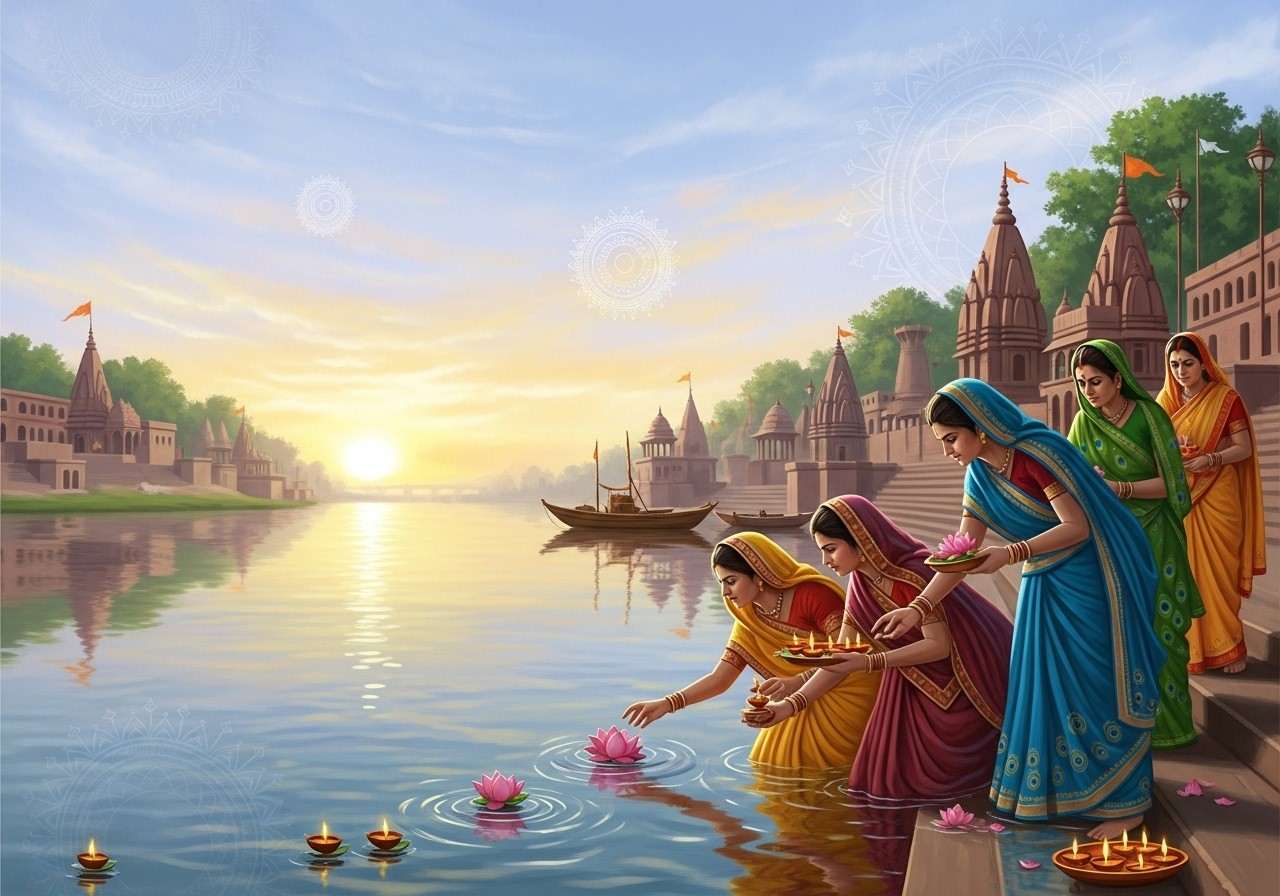
Whether mentioned in the Vedas, Puranas, Ramayana, or Mahabharata, the river’s presence is a constant symbol of purity and spiritual cleansing. Countless devotees believe that a sincere dip in these holy waters washes away earthly sins and opens the door to moksha, freeing the soul from the endless cycle of birth and death. The banks of cities like Varanasi, Haridwar, and Rishikesh resonate with devotion, hosting grand ceremonies like the mesmerizing Ganga Aarti and the monumental Kumbh Mela. For many families, returning to Varanasi during life’s final moments is the ultimate blessing for ensuring spiritual liberation.
Nurturing the Nation: The Economic Impact of the Ganges Basin
Beyond its immense spiritual value, the river is a fundamental pillar of our economy. The fertile plains it creates are an absolute blessing for our hard-working farmers. This basin acts as a perennial source of irrigation and naturally recharges our groundwater, proving vital for global food security. Major cash crops like rice, wheat, potato, and sugarcane thrive here, supporting the livelihood, food, and nutritional security of roughly one-third of India’s population and two-thirds of Bangladesh’s citizens.
The industrial landscape also relies heavily on this majestic river. Historic manufacturing hubs such as Kanpur and Varanasi depend on its flow for creating world-renowned textiles and leather goods. In the realm of logistics, National Waterway 1 brilliantly connects key trade hubs, offering a greener way to reduce transportation costs and carbon emissions. Furthermore, as we look toward a sustainable future, the river’s powerful tributaries in Uttarakhand and Himachal Pradesh are instrumental in generating crucial hydroelectric power.
Preserving Our Heritage: Environmental Challenges and Conservation
As our cities grow and industries expand, Ganga Ma faces severe challenges from pollution and industrial waste. Changing climate patterns and deforestation have also taken a toll on her delicate ecosystem. However, there is a strong ray of hope. Dedicated government initiatives like the Namami Gange Programme are actively working to restore the river’s pristine nature. Alongside these efforts, passionate community groups and local NGOs are championing sustainable practices, ensuring that our future generations can also witness the river’s divine purity.
Modernity Meets Tradition: Social Impact Along the Riverbanks
As our country strides forward into the modern era, our relationship with the river evolves beautifully. We see modern water management technologies seamlessly blending with age-old rituals. Importantly, the river empowers local communities, especially women, through grassroots economic activities. These community-led conservation programs do more than just protect the environment; they foster a beautiful sense of social cohesion and shared cultural identity among our diverse population.
Honoring Traditions at Home with Poojn.in
While taking a physical pilgrimage to the ghats is a profound experience, our modern, fast-paced lives often make it challenging. This is exactly where we step in to help you bridge the gap between devotion and convenience. As a trusted destination for cultural goods, Poojn.in ensures that distance never comes between you and your spiritual practices. We specialize entirely in delivering authentic, physical ritual items directly to your home, empowering you to uphold our sacred traditions with ease.
We take pride in offering products that carry the essence of our heritage:
- Authentic Gangajal for Your Home Shrine: We carefully bottle and deliver the sacred waters of Mother Ganga so that you have pure Gangajal for your daily prayers and special life events. You will never have to worry about the authenticity of your holy water, as we bring the river’s divine blessings straight to your doorstep.
- Complete Puja Kits for Every Occasion: Our thoughtfully curated puja samagri boxes contain everything from premium incense sticks to handcrafted traditional diyas. By keeping these kits handy, you save yourself from last-minute rushes to crowded markets, allowing you to focus entirely on a deeply fulfilling and peaceful spiritual experience.
- Traditional Attire for Ceremonial Grace: Wearing the appropriate clothing during rituals adds a profound layer of respect and devotion to your family prayers. We provide highly comfortable, culturally accurate traditional wear, ensuring that you and your loved ones celebrate every festival with genuine authenticity and joy.
By choosing our physical cultural goods, you are also supporting the skilled local artisans whose livelihoods depend on preserving these ancient crafts. For a seamless experience in keeping your traditions alive, simply explore our collection at Poojn.in. You can also reach out to our dedicated team by calling 03369029784 or dropping a friendly message on WhatsApp at 9476142738.
Conclusion: Cherishing a Timeless Legacy
The story of the sacred river is essentially the story of our civilization. It is a powerful narrative of spiritual solace, abundant livelihood, and enduring resilience. As we continue to seek the blessings of Ganga Ma, we hold onto a legacy where ancient rituals gracefully harmonize with our modern aspirations. By respecting her cultural significance and mindfully nurturing her resources, we ensure that this living river continues to flow with vibrant vitality, uniting our incredible nation for centuries to come.
Frequently Asked Questions About the Sacred River’s Heritage
Why is the sacred waterway so fundamentally important to our nation?
For millions of us, the holy river is much more than a geographical feature; it is the absolute spiritual heart of Hinduism. Beyond its religious importance, it sustains our farmlands, provides essential drinking water, and acts as a vital artery for both traditional commerce and modern transportation.
What are the deeper cultural significances associated with Mother Ganga?
Our most cherished traditions are beautifully woven around its banks. The river hosts sacred ceremonies, deeply personal ablutions, and grand spiritual gatherings. Taking a dip in these holy waters is believed to cleanse the soul, while towns along the banks serve as the ultimate resting place for those seeking spiritual liberation.
How does the river basin contribute to our country’s economic well-being?
The river’s contribution to our economy is truly massive. It creates incredibly fertile plains that act as the breadbasket for major crops, thereby securing our food supply. Additionally, it supports thriving fisheries, facilitates cost-effective trade routes, and draws millions of pilgrims, which in turn boosts local tourism economies.
What are the primary everyday uses of this majestic river?
In our daily lives, the river’s waters are channeled for crucial agricultural irrigation, public drinking supplies, and various industrial processes. Culturally, it remains the most sought-after destination for conducting important religious ceremonies and community festivals.
In what specific ways does the river support local agriculture?
The fertile soil brought by the river, combined with its perennial water supply, forms the backbone of farming in the region. It ensures that our farmers have the reliable irrigation needed to successfully grow vital, water-intensive crops like rice, wheat, and sugarcane year after year.
Why is performing rituals at the riverbanks considered so auspicious?
We deeply believe that the river’s divine origin carries the power to purify both the mind and the soul. Performing heartfelt rituals—whether it is an early morning bath, offering diyas, or respectfully scattering the ashes of loved ones—brings a profound sense of peace and a closer connection to the divine.
Is the river accessible for those looking to experience its cultural beauty?
Absolutely. The banks are welcoming to everyone who wishes to witness our rich spiritual heritage firsthand. Visitors from all walks of life find immense peace and joy in observing the grand evening Aartis, exploring historic temples, and enjoying the serene, natural beauty of the flowing waters.
What meaningful steps are being taken to protect this invaluable natural resource?
There is a growing, collective movement to safeguard our river. Extensive government initiatives focus on robust waste management and water purification, while local communities and NGOs work tirelessly to promote sustainable living practices and raise essential awareness about pollution prevention.