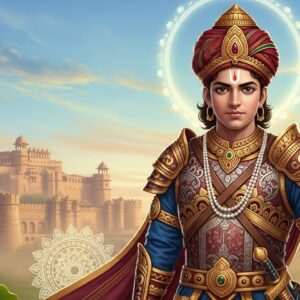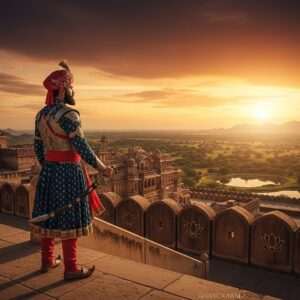


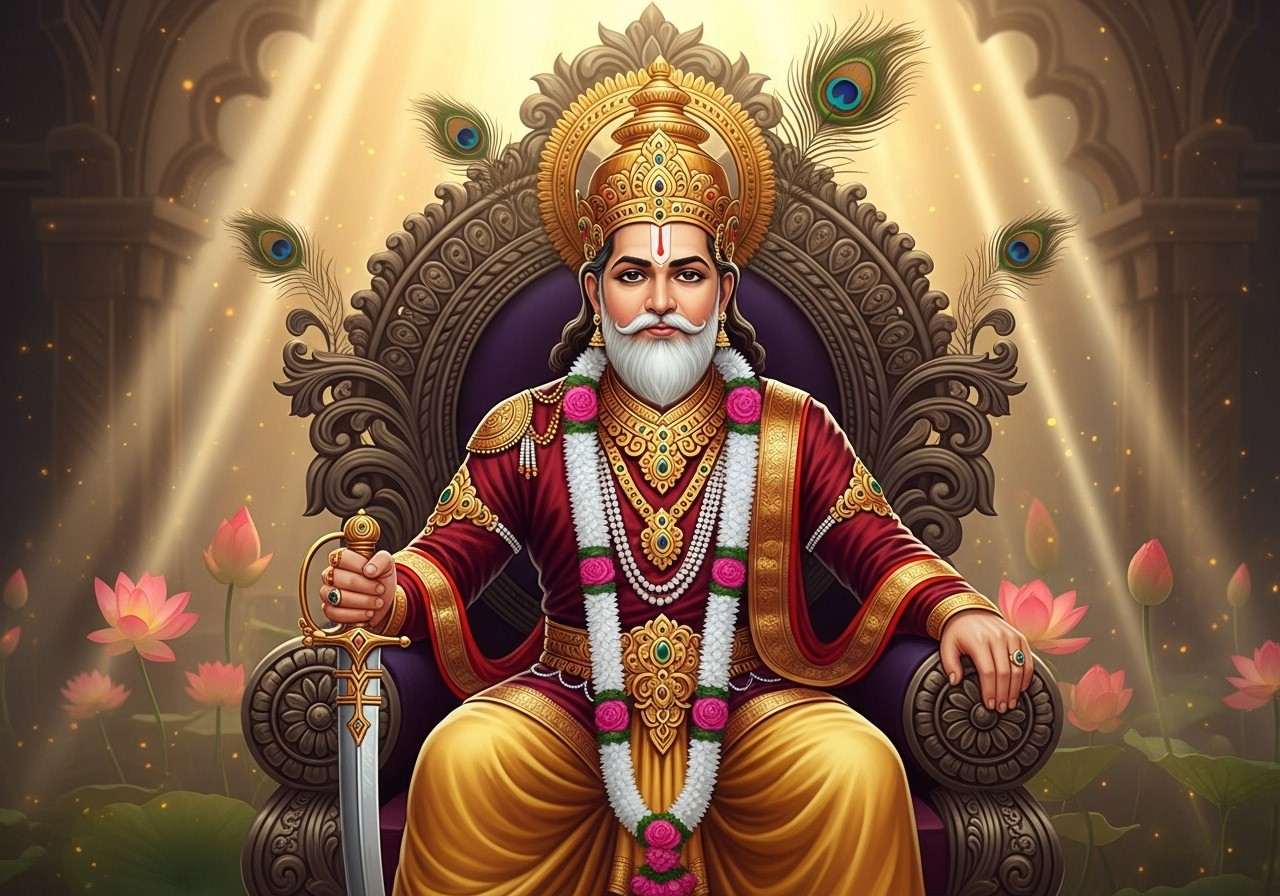
Namaskaram! Our beloved India is a land where stories of unmatched valor and deep-rooted spirituality echo through the sands of time. Among these glorious tales, the life of Kalbhoj, a celebrated 8th-century king of Rajasthan, shines incredibly bright. Widely known as the founding father of the Mewar Kingdom and the Guhila Rajput dynasty, his journey is not just a chapter in a history textbook; it is a vivid emotion for every Indian who holds their heritage close to their heart. Let us take a beautiful journey back in time to understand how this great warrior’s life continues to light up our cultural identity today.
Understanding the Historical Canvas of 8th Century India
To truly appreciate this monumental saga, we must first look at the socio-political climate of the era. Back then, our motherland was facing complex challenges. Various regional clans held fragmented power, making the land vulnerable to constant foreign invasions. The Mewar region naturally emerged as a highly strategic focal point to resist these outside intrusions. It required a leader of immense strength and vision to bring different communities together. This is where our legendary hero stepped in, seamlessly unifying diverse factions to protect both our sacred soil and our rich cultural traditions.
The Formative Years: Resilience in the Face of Adversity
Born in 713 AD, the early life of young Kalbhoj was anything but easy. Following the tragic assassination of his father, Rawal Mahendra, in battle, he was nurtured by his courageous mother and incredibly loyal Bheel attendants. Growing up amidst nature, these indigenous companions taught him exceptional military skills and survival tactics. This unique upbringing instilled in him a deep respect for all communities, laying a rock-solid foundation for his inclusive leadership style.
A Reign of Triumphs and Cultural Revival
The achievements of this great monarch are nothing short of awe-inspiring. In 734 AD, at the tender age of 21, he showcased brilliant military prowess by defeating Man Mori and conquering the formidable Chittor Fort. He successfully led a massive confederacy of brave warriors, including Bhils and Nagas, to completely decimate the invading Arab forces, chasing them far beyond Ghazni. His strategic brilliance even led him to build a frontier city named Rawalpindi to secure the north-western borders.
Beyond his military might, his spiritual devotion was equally profound. In 728 CE, he established the glorious Mewar Kingdom, setting the stage for a dynasty that would stand tall for over 1300 years. A devout follower of Sanatana Dharma, he commissioned the majestic Eklingji temple in 734 CE. In a beautiful gesture of humility, he dedicated his entire kingdom to Lord Shiva, choosing to govern merely as the Diwan (Prime Minister) of the deity. Eventually, seeking higher truth, he gracefully abdicated the throne around 753 CE to walk a purely spiritual path.
Honoring Our Rich Heritage with Poojn.in
When we reflect upon such magnificent historical figures who dedicated their lives to preserving our culture, it naturally inspires us to keep our ancient traditions alive in our everyday lives. Lighting a diya, offering heartfelt prayers, and passing down these stories to our children is how we honor their sacrifices. At poojn.in, India’s most trusted cultural goods store, we provide you with authentic spiritual items to make your daily rituals profoundly meaningful.
Here is how our carefully curated offerings can help you stay deeply connected to your roots:
- Traditional Puja Kits: Our thoughtfully assembled spiritual packages contain every essential item you need for daily prayers or special festive homams at home. By using our authentic supplies, you ensure that every ritual is performed with absolute purity, allowing you to honor our deities and ancestral heroes without any hassle.
- Premium Incense Sticks: Handcrafted from the finest natural ingredients, our divine agarbattis create a soothing, spiritually uplifting atmosphere ideal for meditation and prayer. The lingering traditional fragrance effortlessly purifies your home environment, transporting your mind to a serene state of devotion and peace.
- Brass and Copper Utensils: High-quality metalware such as gleaming diyas, sacred kalash, and beautifully crafted thalis carry immense cultural significance for all Hindu rituals. Not only do they add a touch of timeless elegance to your home mandir, but these durable pieces are also meant to be cherished and passed down through generations.
- Sacred Holy Books: Dive deep into the ocean of our magnificent past with scriptures and historical texts that recount the glorious tales of our ancestors and spiritual leaders. Reading these divine texts is a wonderful way to instill a sense of pride and strong cultural identity in younger family members, keeping our history alive.
The Enduring Legacy of a Visionary King
The impact of this legendary 8th-century ruler did not fade with time; rather, it became the heartbeat of Rajasthan’s cultural identity. By integrating diverse cultural groups like the Bhils and Brahmans into key administrative roles, he established a beautiful model of inclusive governance. His bloodline gave India some of its greatest future protectors, including the indomitable Maharana Pratap and the valiant Rana Sanga. Today, his name remains an ultimate symbol of honor, courage, and the unwavering defense of Hindu culture.
Conclusion: A Guiding Light for Generations
The saga of the great founder of Mewar is much more than a historical record of battles won; it is a timeless lesson in unity, devotion, and resilience. His remarkable journey encourages every Indian to proudly embrace our rich heritage and stand firm in our values, no matter the challenges we face. As we celebrate his monumental contributions to our civilization, we are warmly reminded of our shared history and the incredible strength we possess when we stay connected to our roots.
Frequently Asked Questions About the Mewar Dynasty’s Founder
For those eager to know more about the true identity of this magnificent ruler, he was a revered 8th-century monarch of the Mewar region, celebrated across the country for his extraordinary valor and visionary leadership.
Regarding his deep-rooted connection to the region, he is universally acknowledged as the founding father of the Mewar dynasty, single-handedly establishing a powerful lineage of rulers that protected Rajasthan for centuries.
When history enthusiasts explore why he is considered such a highly significant leader, the answer lies in his unmatched military skills and strategic brilliance, which successfully defended the motherland from massive foreign invasions and expanded the kingdom’s borders.
Among the key events defining his heroic saga, his decisive triumph over invading Arab forces at the Chittor Fort and the establishment of a formidable, spiritually grounded kingdom remain the absolute highlights of his inspiring life.
As for his profound influence on Indian history, his successful and inclusive reign firmly laid the foundation for the Guhila and Sisodia dynasties, which played a tremendously crucial role in shaping the cultural and historical landscape of India.
Looking at his enduring legacy today, it vibrantly lives on through the folk tales of his bravery, his inclusive governance model, and the continued inspiration he provides to modern generations who deeply value our traditional Indian heritage.
If you are curious whether there are any monuments or sites related to him, the beautiful state of Rajasthan proudly houses several historical landmarks, most notably the breathtaking Eklingji temple, which stands as a timeless testament to his spiritual devotion and monumental achievements.