

There is a profound beauty in the way our Indian traditions are seamlessly woven into the very landscapes we inhabit. The vibrant southwestern coastal region of India, historically cherished as the homeland of the Tuluvas, is a mesmerizing example of this deep spiritual connection. Known for its deeply unique identity and incredible historical weight, this serene belt gracefully bridges parts of coastal Karnataka and northern Kerala. The air here is beautifully filled with the sweet fragrance of temple jasmine, the rhythmic beats of ancient drums, and the warm, melodic sounds of the local Dravidian mother tongue, creating an incredibly rich cultural tapestry that captivates every devoted heart.
The Geographical Splendor of the Coastal Heartland
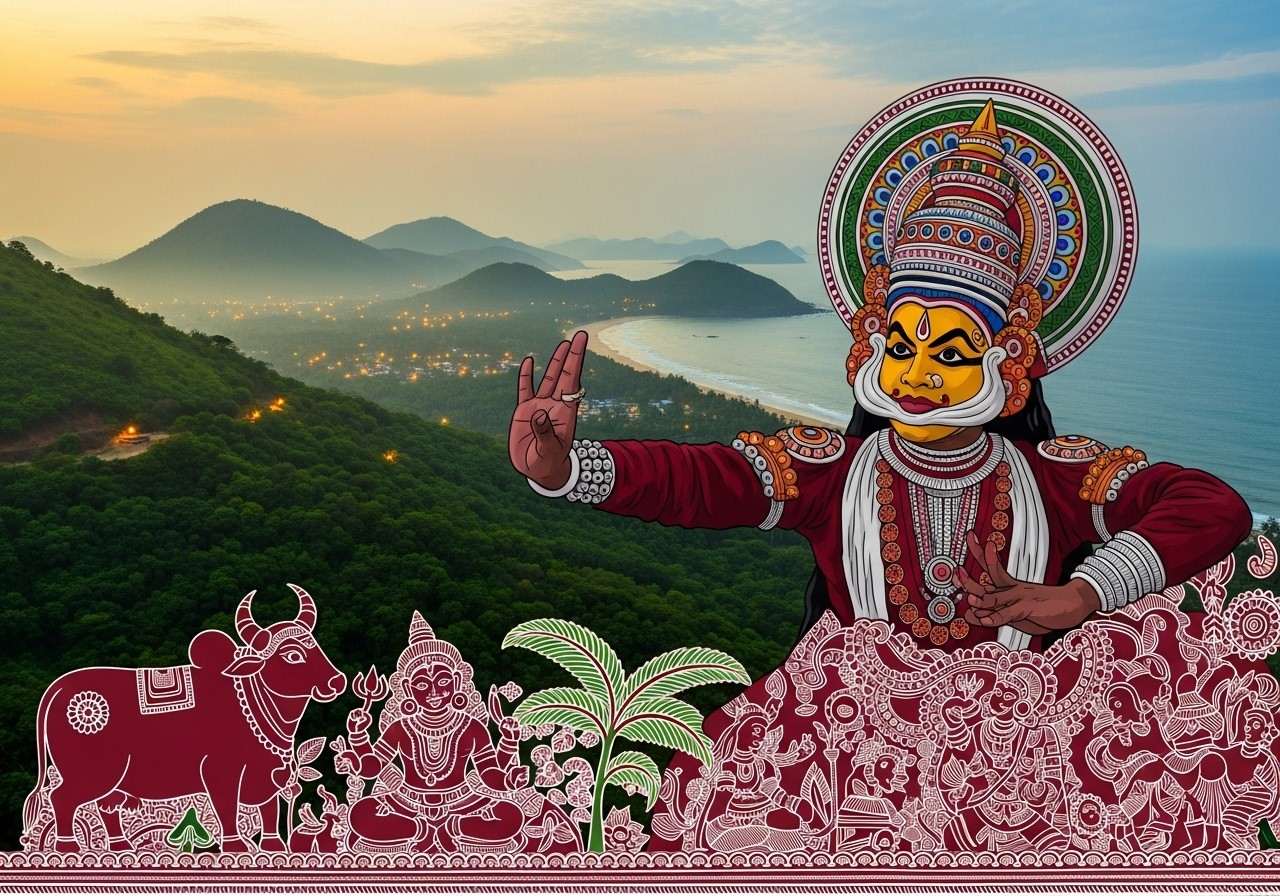
When you sit back and imagine this divine geography, picture a beautifully diverse landscape where lush, green rainforests lovingly meet the endless blue of the ocean. Snuggled perfectly along the famous Konkan Coast, this area is majestically bordered by the vast Arabian Sea on the west and the protective, mist-covered peaks of the Western Ghats on the east. Spreading out over a generous expanse of roughly 8,441 square kilometers, this fertile land thrives under a tropical monsoon climate, blessed with heavy, life-giving rains that nurture its breathtaking backwaters and abundant agricultural fields.
This remarkable cultural stretch essentially comprises the spiritually vibrant districts of Dakshina Kannada and Udupi in Karnataka, gracefully extending down to the Kasaragod district of Kerala, with the beautiful Chandragiri River historically marking its southern boundary. The sacred soil here is naturally cradled between the Gangavalli River in the north and the Payaswini River in the south, both of which serve as crucial lifelines for the hard-working local farming communities. Important urban centers that beautifully anchor the region’s everyday life include the bustling port city of Mangalore (affectionately called Kudla by locals), the renowned temple-town of Udupi (Odipu), and the highly scenic Kasaragod (Kasrod). Among these, Mangalore proudly stands as the largest and most vibrant urban expanse in the entire region.
A Glimpse into a Glorious Past
The fascinating history of this enchanting land is deeply rooted in ancient Indian antiquity, whispering tales of glorious kings and deeply devoted communities. It is highly fascinating to learn that this vibrant terrain was a thriving part of ancient Tamilakam, one of the primary socio-geographical areas proudly celebrated in classical Sangam literature between 300 BCE and 300 CE. Over the centuries, its governance saw the graceful transition of numerous powerful dynasties, each leaving an indelible, magnificent mark on its rich architecture and traditional societal values.
- The Golden Age of the Alupas: For many long, prosperous centuries, the sacred soil was affectionately nurtured by the Alupa dynasty, widely recognized as the longest-serving native ruling family who gracefully guided the region from the 5th all the way to the 14th century CE. Throughout their enduring and culturally rich reign, this enchanting kingdom, affectionately remembered in ancient texts as Alvakheda, operated with fierce independence initially and later served as highly respected feudatories to monumental empires such as the Kadambas, Chalukyas, Hoysalas, and Rashtrakutas.
- The Majestic Vijayanagara Era: As the magnificent wheel of time turned, this fertile coastal belt came under the glorious, protective umbrella of the Vijayanagara Empire, beautifully and systematically administered into two distinct provinces known as Mangaluru Rajya and Barkuru Rajya. Under this well-organized decentralized system, wise native feudatories gracefully managed local affairs, fostering a golden era of thriving trade, vibrant art, and deep spirituality that flourished uninterrupted until the dawn of the 18th century.
In the later chapters of time, this historic coastal belt was briefly governed by Hyder Ali and Tipu Sultan of Mysore before transitioning into British administration around 1801, when it was respectfully integrated into the Madras Presidency. Following our glorious nation’s hard-fought independence, the historic 1956 linguistic reorganization of states lovingly returned South Canara to Mysore (which later blossomed into modern Karnataka), while the northern stretch of Kasaragod found its permanent administrative home in Kerala.
The Living Legacy of Cultural Richness
What truly breathes divine life into this region is its unparalleled cultural depth. The native community is deeply bonded by their traditional language, a beautifully expressive tongue that constantly carries the weight of thousands of years of ancestral wisdom. The traditional practices passed down here are not only visually spectacular but also highly spiritual in their core essence.
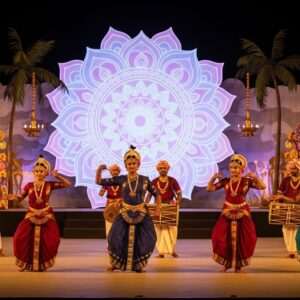
Elaborate all-night dance-dramas like Yakshagana, deeply reverent spirit-worship ceremonies known as Bhuta Kola, and the sacred Nagaradhane (snake worship) highlight the region’s profound respect for the divine forces of nature. These aren’t merely performances; they are deeply emotional, spiritual experiences that keep the community’s heart strongly tied to their revered ancestors.
- The Journey for Statehood Recognition: The fervent dream for a completely separate administrative state has its deeply emotional roots reaching all the way back to 1942, initially voiced by the visionary leader Srinivas Updhyaya Paniyadi immediately following the historic Quit India Movement. This incredibly powerful campaign for distinct statehood has seen a massive resurgence since the late 2000s, passionately driven by a collective community desire to safeguard an incredibly unique linguistic identity and an ancient, vibrant way of life from fading into modern obscurity.
- Embracing Modernity While Rooted in Tradition: Even as major cities like Mangalore and Udupi rapidly embrace modern technological advancements and educational excellence, the deeply ingrained cultural values beautifully ensure that every new generation continues to faithfully honor and enthusiastically participate in these sacred ancestral rituals and grand temple festivals.
How Poojn.in Supports Your Spiritual Journey
Connecting with the deep spiritual essence of our glorious Indian traditions brings profound peace and harmony into our busy, modern lives. At poojn.in, we are absolutely dedicated to offering an exquisite range of cultural goods that help you seamlessly connect with the incredibly rich heritage of our beautiful coastal regions. Our thoughtfully curated catalog includes absolutely authentic pooja items, beautifully handcrafted idols, and highly traditional ritual accessories that beautifully reflect the unique cultural vibrancy of southern India.
For those who deeply wish to experience the sacred aura of these ancient lands through their daily personal devotion, we lovingly provide exceptional, high-quality spiritual items. Whether you are seeking timeless brass lamps to illuminate your evenings, soul-soothing incense sticks to purify your surroundings, or pure sacred powders for your deities, our items are carefully crafted to bring the ultimate sanctity of traditional ceremonies right into your home prayer room. Enjoy the immense, stress-free convenience of our online store, which proudly guarantees that you will receive 100% genuine products safely through secure home delivery.
To joyfully learn more about our divine offerings or to gracefully place an order for your home, warmly visit our website or kindly reach out to our dedicated support team at 03369029784. We are always here to lovingly help and guide you; please feel free to message us on WhatsApp at 9476142738 for any inquiries or gentle assistance with your spiritual purchases. Please lovingly note that as a dedicated cultural store, we exclusively focus on bringing these sacred goods directly to your doorstep; we do not offer any travel packages, nor do we provide guidance for VIP darshan at any temples.
Decoding the Heritage: Common Curiosities Addressed
People often wonder about the specific details that make this southwestern coastal paradise so incredibly special. You might naturally ask what exactly this region encompasses. It is a culturally distinct pocket in southern India, famously celebrated for its exclusive ancestral traditions, colorful spiritual festivals, and the widely spoken Dravidian language lovingly cherished by its indigenous people.
If you are trying to picture exactly where this beautiful terrain is geographically located on the map, simply envision the stunning western coastline of our beautiful country. It perfectly sits along the soothing, rhythmic shores of the Arabian Sea, gracefully capturing the lush coastal essence of Karnataka alongside a gentle northern slice of neighboring Kerala.
Those curious about the main administrative districts that proudly form this cultural heartland will be happy to know that it includes the lively areas of Dakshina Kannada and Udupi. These vital, bustling districts proudly serve as the modern custodians of the region’s ancient spiritual practices and deep-rooted historical heritage.
When exploring the immense historical significance of this vibrant area, one is immediately met with a captivating past beautifully shaped by prominent native rulers. It boasts a rare, glorious blend of indigenous governance and majestic historical monuments that continue to softly whisper fascinating tales of bygone eras.
Among the most prominent and deeply revered monarchs who nurtured this blessed land were the visionary kings of the Alupa dynasty. They governed their subjects with immense love and deep respect for local customs, leaving an indelible, lasting mark on the artistic, spiritual, and economic prosperity of the entire coast over many long centuries.
As for its uniquely fascinating cultural practices, the area is globally admired for its highly mesmerizing traditional arts. Spectacular, visually striking, and spiritually charged performances, such as the elaborate Yakshagana and the highly divine Bhuta Kola, stand as glorious, living testaments to its profound artistic legacy and unwavering devotion.
Finally, one might consider how this majestic coastal sanctuary truly differs from the rest of the Karnataka state. The profound distinction beautifully lies in its very soul—the completely unique mother tongue, exclusive and emotionally charged community rituals, and highly localized spiritual customs create a rich cultural landscape that is beautifully different from the neighboring inland territories.