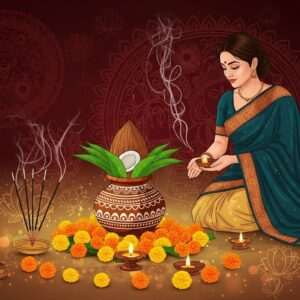


For us in India, the arrival of the goddess into our homes is more than just a date on the calendar; it is a profound emotion. It is a time when the air is filled with the fragrance of incense, the chanting of powerful mantras, and a deep-rooted sense of faith. This beautiful Hindu festival, dedicated to the supreme divine feminine, celebrates the victory of good over evil. As we prepare to welcome Mata Rani in 2026, we are given a fresh opportunity to reconnect with our spiritual roots, cleanse our minds, and pray for the well-being and prosperity of our loved ones.
In 2026, these sacred nine days will be observed from March 19 to March 27. During this auspicious period, we worship the nine powerful avatars of Goddess Durga, seeking her divine blessings for happiness, peace, and abundance. Whether it is waking up early to prepare the sacred bhog or sitting together as a family for the evening aarti, every small ritual brings us closer to our heritage and to each other.
Embrace the Nine Forms of the Divine Mother
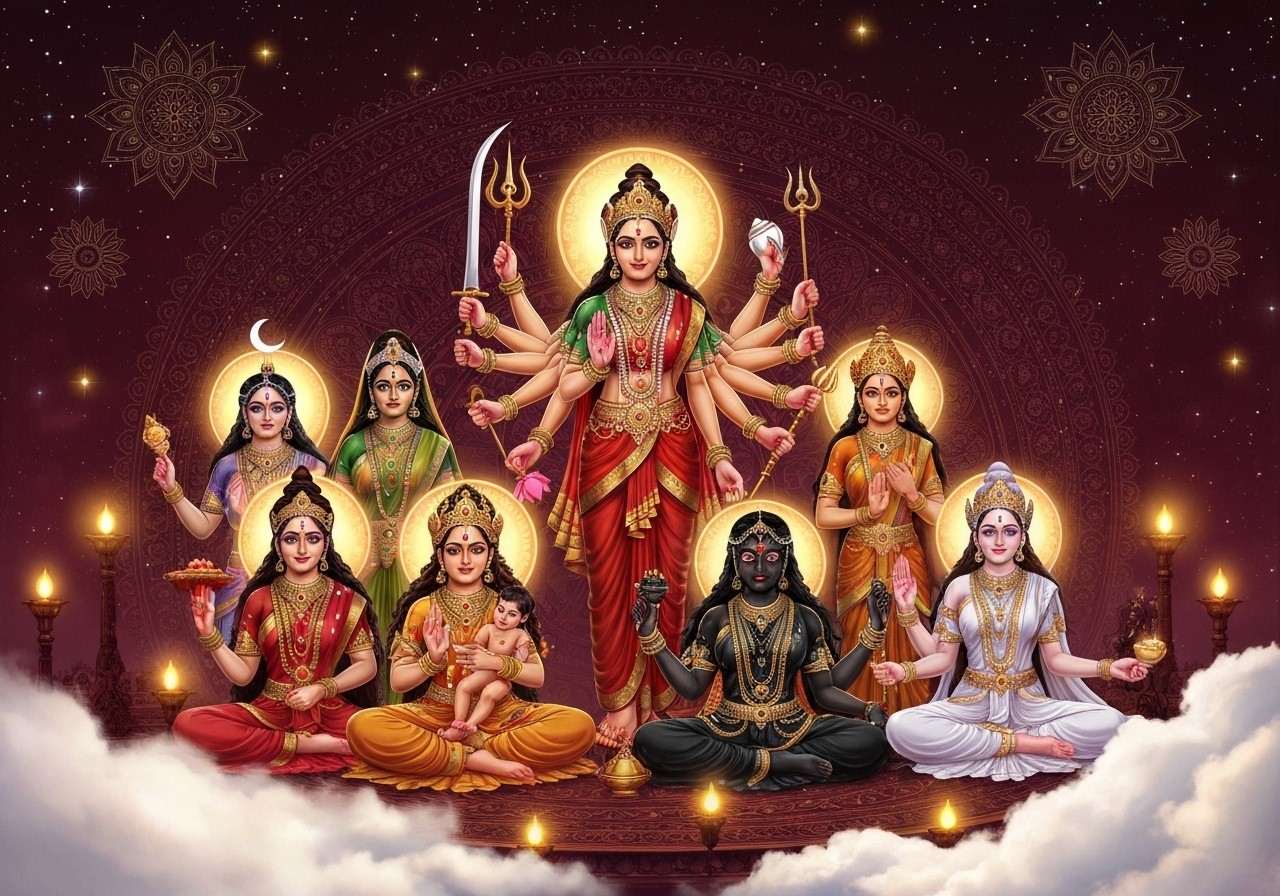
Each day of this auspicious period has a distinct energy, teaching us different virtues of power, peace, and supreme intelligence. Understanding the significance of each goddess helps us internalize her divine qualities and makes our daily prayers much more meaningful. Here is how we will honor the nine forms of Devi throughout the 2026 celebrations:
- Maa Shailaputri (March 19, 2026): Worshipped on the very first day, the radiant Daughter of the Mountains represents the grounding strength and absolute purity of nature. Devotees respectfully offer pure cow’s ghee to this majestic Devi, a practice deeply believed to bless the family with robust health and a disease-free life.
- Maa Brahmacharini (March 20, 2026): Embodying the essence of quiet devotion and spiritual penance, she teaches us the value of perseverance in our daily lives. By offering sugar to her during the puja, we symbolically seek the sweet rewards of our hard work, along with emotional longevity and inner peace.
- Maa Chandraghanta (March 21, 2026): Known for the serene half-moon on her forehead, she balances the fierceness of a warrior with the supreme calm of a mother. A comforting bowl of sweet kheer is offered to her, reflecting the profound serenity, grace, and fearless mindset she gently bestows upon her true devotees.
- Maa Kushmanda (March 22, 2026): Revered across the scriptures as the cosmic creator, her warm and radiant smile is said to have sparked the creation of the entire universe. We lovingly offer rich, traditional malpua to this goddess, a gesture that symbolizes the welcoming of vibrant creativity, warmth, and richness into our homes.
- Maa Skandamata (March 23, 2026): As the affectionate mother of Lord Kartikeya, she stands as the ultimate symbol of maternal love, nurturing care, and family protection. Offering fresh bananas to her is a cherished tradition that represents wholesome nourishment, safeguarding the health and well-being of our children.
- Maa Katyayani (March 24, 2026): This fierce and courageous warrior form of the mother goddess destroys all negativity, obstacles, and unseen fears from our paths. Golden honey is offered to her with deep reverence, beautifully symbolizing the perfect blend of indomitable courage softened by maternal sweetness.
- Maa Kaalratri (March 25, 2026): Often referred to as the Dark Night of the Soul, she fiercely protects her children by destroying deep-rooted ignorance and worldly darkness. A humble offering of jaggery is made to this powerful deity, representing the sweet triumph over our struggles and the removal of life’s darkest sorrows.
- Maa Mahagauri (March 26, 2026): Radiating brilliant light and supreme compassion, she represents the purification of the soul and the washing away of past karmas. Devotees offer a sacred coconut to her, a deeply traditional practice that signifies the stripping away of ego to reveal pure peace and spiritual clarity inside.
- Maa Siddhidhatri (March 27, 2026): As the ultimate bestower of all spiritual and material perfections, she concludes the festival by granting wisdom and success. Offering sesame seeds to her on the final day is an ancient practice that symbolizes the attraction of long-lasting prosperity, ultimate protection, and divine grace.
The Heartwarming Tradition of Kanya Pujan
One of the most emotionally fulfilling aspects of this festival is the Kanya Pujan, usually performed on the eighth (Ashtami) or ninth (Navami) day. We invite young, pre-pubescent girls into our homes, washing their tiny feet and serving them a special meal, honoring them as living, breathing embodiments of the goddess herself. This profound ritual goes far beyond just a religious duty; it is our culture’s way of teaching immense respect for the feminine divine.
Preparing the traditional offering of halwa, puri, and kala chana for the kanjaks is a joyous family activity. This beautiful tradition strengthens our community bonds, deeply ingrains the value of honoring women, and effortlessly passes our rich cultural heritage to the next generation. When we bow to these little girls, we are essentially bowing to the purity and untainted power of Mata Rani.
Purifying the Body and Mind with Traditional Fasting
Observing a vrat (fast) during these nine days is not merely about restricting food; it is a holistic approach to detoxifying the physical body and cleansing the mind. Fasting aligns perfectly with ancient Ayurvedic principles, giving our digestive systems a much-needed rest while elevating our spiritual consciousness. Instead of regular grains and everyday spices, we switch to sattvic ingredients that are light, pure, and energizing.
Our traditional vrat ka khana is both nutritious and incredibly delicious. Families lovingly prepare meals using ingredients like water chestnut flour, sago, and fresh fruits, creating mouth-watering dishes like Sabudana Khichdi and Kuttu Ki Puri. These specific dietary choices help us maintain our physical energy throughout the day, allowing us to focus entirely on our prayers, meditation, and devotion without feeling sluggish.
Bringing Authenticity to Your 2026 Celebrations
We know how important it is to have pure, authentic materials when setting up your sacred puja chowki at home. Finding the right items that respect our cultural sentiments can sometimes be challenging in our busy, modern lives. This is exactly where your trusted online cultural store steps in to make your festive preparations completely seamless, spiritually fulfilling, and entirely stress-free.
When you are preparing to invite the goddess into your home, you need beautifully crafted idols that inspire instant devotion. We take immense pride in offering exquisitely detailed Devi Idols that will serve as the perfect, divine centerpiece for your family’s daily worship. Our traditional artisans pour their hearts into creating these murtis, ensuring they radiate the true grace and power of the divine mother.
Gathering all the specific samagri for nine days of worship can be overwhelming for a busy household. To bring utmost convenience to your daily rituals, our carefully curated Navratri Puja Kits include every essential item, from pure camphor to authentic sacred powders, ensuring your prayers are never interrupted. By choosing our kits, you bring home the guarantee of purity and tradition, directly delivered to your doorstep.
Decorating the house and dressing up for the evening aarti is a crucial part of the festive joy. You can instantly elevate your home’s spiritual ambiance with our vibrant Decorative Items, and gracefully partake in the celebrations wearing our handpicked Traditional Attire. Shopping at poojn.in means you are supporting local Indian craftsmen while ensuring your family enjoys a truly authentic and culturally rooted festive experience. If you need any help finding the right items for your rituals, simply reach out to us at 03369029784 or WhatsApp at 9476142738.
Welcoming the Goddess with Devotion and Joy
As we look forward to the sacred days of March 2026, let us prepare to welcome the divine mother with incredibly open hearts and pure intentions. Whether it is through maintaining a strict fast, enthusiastically feeding the little kanjaks, or simply sitting in quiet prayer, every act of devotion brings us closer to supreme peace. Let this beautiful time be a period of profound spiritual awakening, boundless joy, and meaningful togetherness for you and your entire family.
By continuing these ancient practices and utilizing authentic goods for our rituals, we ensure that our rich, vibrant heritage remains alive and thriving. May Mata Rani bless your home with unwavering happiness, absolute prosperity, and deep inner strength. Jai Mata Di!
Frequently Asked Questions About the 2026 Celebrations
Understanding the Importance of the Nine Days
Every single day of this auspicious festival is devoted to a highly specific avatar of the mother goddess, beginning with the grounded strength of Maa Shailaputri and beautifully culminating with the supreme perfection of Maa Siddhidhatri. Each of these divine forms symbolizes completely different virtues, empowering us to reflect upon and imbibe varied aspects of strength, peace, and spiritual purity into our own lives.
The Deep Significance of Kanya Pujan
Usually observed on the holy Ashtami or Navami, this heartwarming ritual involves respectfully welcoming young girls into the house and serving them a specially prepared sacred meal. This deeply touching practice is incredibly important because it practically honors the divine feminine energy present in every woman, signifying our utmost respect for purity and maternal grace.
Guidelines for Traditional Fasting
When devotees observe a vrat during this spiritual period, they completely abstain from everyday grains, non-vegetarian food, and strong spices like garlic or onion. Instead, the focus shifts entirely to consuming pure, sattvic foods like fresh seasonal fruits, wholesome milk products, and specialized ingredients, which wonderfully emphasizes physical detoxification and spiritual dedication.
Popular Meals Enjoyed During the Fast
Even with the restrictions, the traditional festive menu is incredibly rich, comforting, and packed with vital energy to sustain the worshippers. Families lovingly prepare delightful, fasting-approved dishes like fluffy Sabudana Khichdi, crispy Kuttu Ki Poori, and sweet Aloo Ka Halwa, providing fantastic nourishment without breaking any spiritual rules.
Variations in Daily Rituals
Because each avatar of the goddess has her own unique personality and cosmic role, the specific daily rituals and offerings gently change to reflect her nature. Devotees make it a point to offer distinct food items—like pure ghee on the first day and sesame seeds on the last—while chanting customized mantras that perfectly align with the deity of the day.
The Spiritual Logic Behind Observing a Vrat
Choosing to abstain from regular food is a powerful, personal sacrifice made to demonstrate deep, unwavering devotion to the supreme mother. Beyond just the spiritual discipline, fasting is deeply trusted to aggressively cleanse the physical body of toxins while clearing the mind of negative, worldly clutter, creating a perfect space for divine connection.
Benefits of Following Authentic Traditions
Sticking to our deep-rooted cultural practices during this time does wonders for our mental peace and our family’s overall spiritual growth. Celebrating with authentic rituals effortlessly fosters a strong sense of community, deeply connects us with our honorable ancestors, and naturally instills beautiful values of respect and devotion in our children.
Participating in the Festivities from Afar
Even if you are unable to physically visit large pandals or bustling community temples, you can still immerse yourself fully in the goddess’s grace from the comfort of your home. You can easily celebrate by establishing a pure puja space at home, participating in virtual temple aartis, and performing your daily rituals with authentic online samagri, ensuring your devotion remains completely unbroken.