


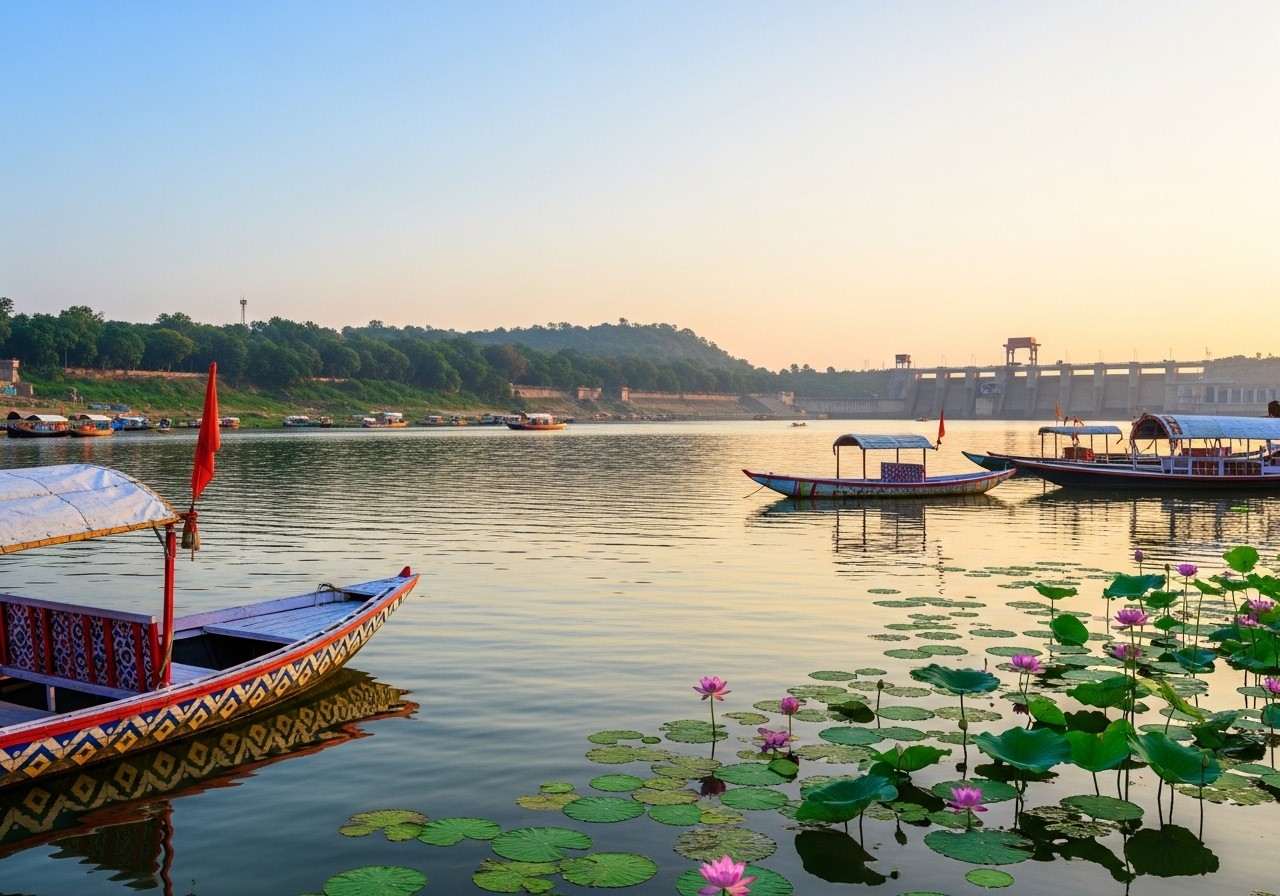
In the rich tapestry of Indian geography and tradition, flowing streams hold a place of profound reverence. One such majestic tributary of the Son River is a vibrant lifeline that gracefully meanders through the heart of India. Originating in the lush landscapes of Chhattisgarh and winding its way across Jharkhand and Uttar Pradesh, this waterway is far more than just a geographical feature. It is a sustaining force that deeply influences local agrarian communities, fosters regional biodiversity, and shapes the cultural heritage of the people who reside along its scenic banks.
Tracing the Sacred Course
The journey of this remarkable stream is a fascinating story of nature’s resilience and beauty. It officially originates from Gidha-Dhodha, nestled high on the Khudia plateau in the Jashpur district of Chhattisgarh. Starting at an impressive elevation of 1,012 meters above sea level, the pristine waters embark on a journey that spans approximately 400 kilometers.
Initially flowing north, the stream acts as a natural boundary with the Garhwa district, graciously entering Jharkhand through the Bhandaria block. As it courses through the Surguja district in Chhattisgarh, it covers a life-giving stretch of 100 kilometers. Continuing its path, it runs parallel to the Son River in Garhwa before taking a northwest turn into the culturally rich Sonbhadra district of Uttar Pradesh. The grand confluence occurs to the northeast of Kota village, where these waters finally merge with the Son River. Characterized by a rocky bed for nearly 75% of its length, this rapid mountain torrent vigorously flows through dense, spiritually significant forested areas.
Notable Tributaries and Breathtaking Waterfalls
A river is only as strong as the streams that feed it. This vibrant waterway is nurtured by several major tributaries, including the Thema, Lanva, Pandu, Goita, Hathinala, Suria, Chana, Sendur, Kursa, Galphulla, Semarkhar, Riger, and the Cherna Nallah. Together, they amplify the river’s volume, making it an indispensable resource for local agriculture. The rugged terrain also gives birth to awe-inspiring waterfalls:
- Pavai Falls: Located near the serene Kothali village in the Balrampur district, this magnificent waterfall plunges from a staggering height of about 61 meters. The cascading waters create a mesmerizing sight, drawing local communities who hold deep respect for nature’s divine artistry.
- Gur-Sindhu Falls: Situated in the Chinia Community block, approximately 40 kilometers from Garhwa, this beautiful natural wonder is surrounded by lush greenery. It stands as a peaceful retreat where the soothing sound of rushing water brings immense tranquility to the mind and soul.
- Sukhal Dari Falls: This striking 30-meter-high waterfall marks an incredibly unique geographical spot, located right near the meeting point of the borders of Chhattisgarh, Jharkhand, and Uttar Pradesh. It serves as a beautiful natural monument celebrating the unity of these three distinct regions.
Balancing Progress with Environmental Harmony: Dam Projects
To harness the immense potential of these waters for the betterment of local communities, several vital infrastructure projects have been conceptualized and implemented. These initiatives aim to significantly improve irrigation facilities, thereby promising a brighter, more secure future for the hardworking farmers of the region.
- Kanhar Hydroelectric Project and Development Scheme: Centered primarily on the expansive reservoir at Baradih in the Garhwa district, this ambitious project is designed to uplift the socio-economic status of the surrounding rural areas. By providing reliable water storage, it aims to stabilize agricultural yields across varying seasons.
- Reservoir Near Chinia Village: This vital water management structure acts as a local lifeline, ensuring that the surrounding farming communities have access to the resources they need. It plays a crucial role in mitigating the harsh impacts of seasonal dry spells.
- Sinchai Pariyojana (Irrigation Project): Located downstream of the confluence of the Pagan River near Sugawaman village in the Dudhi Tehsil of the Sonebhadra district, this highly anticipated project proposes a sprawling 3.003-kilometer-long earthen dam. It represents a monumental step toward achieving long-term agricultural sustainability in the region.
Cultural Significance and Deep-Rooted Traditions
For centuries, the Indian ethos has deeply intertwined daily life with the reverence of natural water bodies. This majestic stream is no exception, serving as the focal point for numerous local festivals and deeply spiritual rituals. The gentle murmur of its waters provides a natural backdrop for meditation, prayer, and community gatherings. By sustaining local habitats and diverse species, the river exemplifies the beautiful Indian philosophy of living in harmony with Mother Nature. While ongoing challenges like pollution exist, dedicated NGOs and passionate local communities are tirelessly working to preserve its purity and ecological balance.
Enhancing Your Spiritual Rituals with authentic Cultural Goods
If you find yourself inspired by the profound spiritual essence of India’s sacred water bodies, you may wish to perform your own traditional rituals to honor these life-giving forces. At poojn.in, India’s most trusted cultural goods store, we offer a curated selection of authentic, premium items to elevate your devotional practices. Please note that while we are wholeheartedly dedicated to fulfilling your material needs for worship, we strictly sell cultural goods through our online store and do not provide travel packages, regional guidance, or VIP darshan services for temples.
- Traditional Kalash: An absolute essential for safely and respectfully storing sacred water collected during your ancestral rituals. Our beautifully crafted vessels are designed to maintain the purity and sanctity of your holy offerings, ensuring your prayers are performed flawlessly.
- Handcrafted Diyas: Illuminate your evening prayers by the riverbanks with our beautifully designed traditional oil lamps. Lighting a diya is a profound way to express heartfelt gratitude to the divine, and our authentic pieces bring a timeless touch to this sacred act.
- Aromatic Incense Sticks: Create an atmosphere of absolute peace and serenity during your outdoor meditations or home pujas. Our naturally sourced agarbattis carry calming, earthy fragrances that seamlessly blend with your devotional thoughts and the soothing ambiance of nature.
- Elegant Puja Thalis: Keep all your sacred offerings beautifully organized with our premium prayer plates. Whether you are performing a simple daily aarti or a complex, detailed ceremony, these thalis provide a structured, visually pleasing, and culturally rich foundation for your devotion.
All of these deeply meaningful products are readily available on our online store for a highly convenient shopping experience. We pride ourselves on delivering authenticity and premium quality right to your doorstep. Should you have any heartfelt queries or need personal assistance selecting the right items for your home shrine, please feel warmly invited to contact us at 03369029784 or reach out conveniently via WhatsApp at 9476142738.
Mapping the Journey and Economic Prosperity
Understanding the intricate path of this regional waterway has been made much easier thanks to modern digital mapping technologies. Accurate topographical maps are essential for carefully planning infrastructure without disturbing the delicate ecological balance. Furthermore, the economic significance of the stream cannot be overstated. By acting as the backbone of local agriculture, it sustains countless families and holds wonderful potential for culturally respectful eco-tourism, which could further boost regional prosperity.
Frequently Asked Inquiries About This Sacred Waterway
Where exactly does this serene river flow?
This vital stream graces the landscape of central and northern India, flowing seamlessly through the culturally vibrant states of Chhattisgarh, Jharkhand, and Uttar Pradesh.
Is it possible to find detailed geographical maps online?
Absolutely. You can easily access comprehensive digital maps online that beautifully showcase its entire winding course, from its high-altitude origin down to its final confluence.
What are the main purposes of the regional dam projects?
The major dam initiatives constructed in this region are primarily focused on enhancing irrigation. They serve as a reliable, year-round water source that significantly boosts local agricultural productivity and helps manage flood risks.
Are these dams built directly on the main river?
Yes, pivotal structures like the Kanhar reservoir are constructed directly on the main waterway, designed to serve multiple critical purposes including large-scale irrigation and community water management.
How do these flowing waters support surrounding communities?
The stream acts as an irreplaceable lifeline by providing essential water for farming, maintaining the delicate local ecological balance, and directly sustaining the livelihoods of countless rural families.
Are there any peaceful spots for visitors to enjoy?
While the surrounding regions are not overly commercialized tourist hubs, their untouched natural beauty, lush forests, and majestic waterfalls attract those seeking a peaceful, spiritually uplifting retreat away from bustling city life.
Where can one learn more about the ongoing irrigation projects?
To gain deeper insights into the regional water management efforts, you can consult official government resources, study geographical records, or respectfully visit the region to witness the harmony of nature and development firsthand.
Embracing our natural heritage is a vital part of preserving our Indian identity. This magnificent stream stands as a shining testament to India’s vibrant traditions and breathtaking natural beauty. By honoring sustainable practices and continuing our beautiful cultural rituals, we ensure that these sacred waters continue to nourish both the land and the spirit of our people for generations to come.