
In the heart of India, where lush green landscapes seamlessly blend with deeply ingrained traditions, the sacred Kanhar River quietly tells the stories of our ancestors. For those of us who hold our heritage close to our hearts, understanding the rivers that shaped our civilization is a truly deeply spiritual journey. The Kanhar River meanders gracefully through Jharkhand and Chhattisgarh, serving not merely as a body of water, but as a vibrant, life-giving force that has nurtured generations. It serves as an enduring boundary between Jharkhand and Chhattisgarh, while beautifully weaving the shared stories of communities dwelling on both sides.
Echoes of the Mahabharata: The Kanwar Community
To truly appreciate the cultural wealth of this region, we must look at the people who call the riverbanks their home. The Kanhar community, prominently residing in Jharkhand, shares deep ancestral ties with the Kanhar tribes of Madhya Pradesh, where their population is currently the highest. Their oral histories are nothing short of fascinating, directly linking their lineage to the great Kurus of the Mahabharata.
According to ancient lore passed down by village elders, following a devastating defeat in the great Mahabharat war, two pregnant women sought refuge in the protective hills north of the Mahanadi river. There, they safely gave birth to a boy and a girl, who are revered today as the founding ancestors of the tribe. This incredible resilience is mirrored in their everyday lives, where simplicity and profound respect for nature dictate their ways.
Everyday Life, Attire, and Culinary Heritage
The lifestyle of the Kanwar people beautifully reflects a community that finds profound joy in simplicity rather than material wealth. Their rich cultural identity is expressed effortlessly in their daily habits:
- Traditional Costumes: The clothing worn by the community is deliberately simple and incredibly rooted in the local climate and economy. Men typically wear thick, comfortable dhotis paired with basic ganjis for their daily labor, while women drape themselves in elegant yet modest sarees, occasionally paired with blouses. Because economic constraints prevent the use of heavy gold, they resourcefully embrace nature, famously using vibrant flower belts as traditional makeup alongside inexpensive jewelry and intricate tattoos that signify their tribal identity.
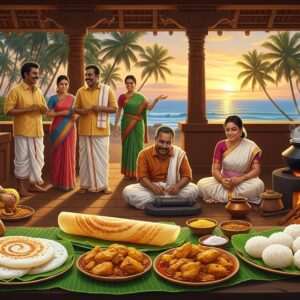
- Dietary Customs: While the community is technically non-vegetarian, their dietary habits showcase an immense respect for the ecosystem, making the consumption of meat and fish an incredibly rare occasion. Interestingly, they hold a strict cultural taboo against selling the fish they catch for their own consumption, relying primarily on simple rice and substantial “fat food” to provide them with the energy needed for their hardworking agricultural lifestyles.
Rivers as Divine Inspiration and Cultural Pillars
In our Indian culture, water is never merely an element; it is a sacred deity. The Kanhar River, a vital tributary of the mighty Son River, actively blesses the lands of Chhattisgarh, Jharkhand, and parts of Uttar Pradesh. It functions as the ultimate lifeline for the region, providing indispensable irrigation that sustains agricultural economies and fosters incredible biodiversity within the expansive Son Basin.
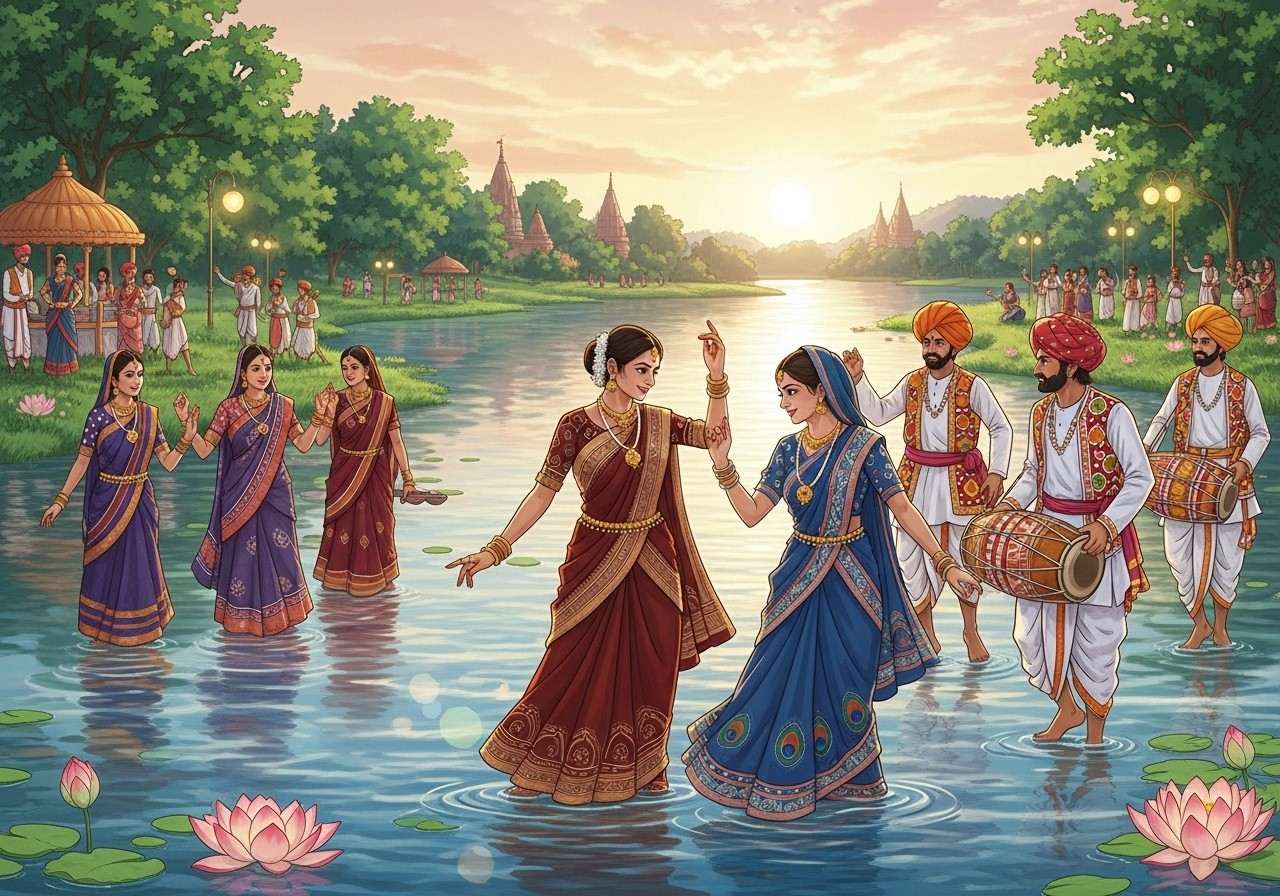
This deep reverence for water is beautifully captured during local village festivals, which enthusiastically celebrate the life-giving nature of streams and rivers. Participating in these vibrant tribal gatherings in Jharkhand provides a rare window into traditions rooted in pure nature worship. Here, traditional music and rhythmic dance serve an essential purpose: expressing a collective, deep-seated desire to preserve ancient memories and honor their ancestors.
Furthermore, these flowing waters have historically served as the ultimate muse. Countless poets, artists, and musicians have drawn endless inspiration from the river’s timeless beauty, resulting in folk songs and traditional dances that echo through the valleys. The river’s historical footprint is profoundly vast, with ancient sites along its banks—such as the mesmerizing rock paintings in Hazaribagh—whispering the prehistoric tales of human civilization to anyone willing to listen.
A Tapestry of Festivals and Art Forms
The cultural influence of the river extends beautifully into the artistic and spiritual practices of the surrounding indigenous groups, including the Santhals, Oraons, and Mundas. The celebrated Sarhul festival, for instance, revolves around the veneration of the sal tree, an act deeply connected to the nourishment provided by the local river systems. Meanwhile, magnificent regional art forms like Sohrai and Khovar paintings draw their intricate motifs directly from the natural surroundings sustained by these waters.
In neighboring Chhattisgarh, the river’s blessing is equally profound. Grand celebrations such as the Bastar Dussehra, recognized as one of India’s longest festivals, carry subtle ties to the rhythms of the region’s rivers. Spectacular folk dances like Raut Nacha and Panthi remain integral to the local cultural fabric, much like the traditional handicrafts—such as breathtaking Dhokra art and rustic terracotta—which rely heavily on the river’s clay and natural resources.
Preserving Heritage Through Authentic Practices
As modern influences gradually seep into these remote regions, it is more important than ever to preserve our profound cultural heritage. Local NGOs and government initiatives are actively stepping in to promote sustainable practices, ensuring that the ecological sanctity of the Kanhar River remains intact against the harsh challenges of pollution and environmental degradation. By educating the younger generation, we ensure that the sacred memories of the river continue to flow unhindered.
At our very own culturally rooted store, we believe that staying connected to your roots should be accessible, no matter where you reside in India. While you might be sitting in a bustling metropolitan city, your heart can still beautifully resonate with the tranquil rituals born along our sacred rivers.
How We Support Your Spiritual Flow at Home
Our online store takes immense pride in offering authentic ritual items that allow you to honor the magnificent traditions of central and eastern India from the comfort of your sacred home spaces. We curate the finest quality goods to ensure your daily prayers and festive celebrations remain pure, genuine, and profoundly spiritual.
- Complete Puja Kits: Our meticulously assembled puja kits feature absolutely every essential item you could possibly need to conduct highly traditional ceremonies with confidence. We have thoughtfully sourced the purest ingredients so you can easily perform your daily or festive rituals at home without having to search multiple local markets. Explore our authentic offerings at .
- Aromatic Incense Sticks: We provide premium, lovingly hand-rolled incense sticks that are specifically designed to infuse your prayer room with lasting fragrance and divine sanctity. The natural aromas transport your senses to a peaceful temple environment, creating the perfect atmosphere for deep meditation and heartfelt prayers. Discover the fragrances at .
- Traditional Brassware: Enhance the divine ambiance of your sacred altar with our stunning collection of perfectly crafted brass diyas and traditional utensils. These timeless pieces are designed to last for generations, seamlessly bringing the majestic temple experience directly into your everyday home worship. Browse our elegant brassware collection at .
Embracing your culture has never been this convenient. Simply visit our website to comfortably browse our extensive catalog and securely place your order for timely, hassle-free delivery anywhere across India. If you need any gentle guidance on selecting the right items for your specific rituals, please feel free to call us at 03369029784 or reach out lovingly via WhatsApp at 9476142738.
Frequently Asked Questions About the Region’s Cultural Flow
What is the ecological and cultural significance of this central river in Jharkhand?
The river serves as an absolute cornerstone for both ecology and ancient tradition within the state of Jharkhand. It lovingly supports an incredible array of local biodiversity, all while standing at the very center of the daily traditional practices, rituals, and agricultural routines of the communities living along its vibrant, green banks.
Why does this water body hold such profound importance for Chhattisgarh’s culture?
In the culturally rich state of Chhattisgarh, the river is an indispensable lifeline for sustenance farming and sacred local rituals. It effectively nourishes the land to make it beautifully fertile for seasonal crops, while simultaneously serving as the primary holy water source for numerous traditional ceremonies passed down through generations.
How exactly do the flowing waters influence everyday local traditions?
The river acts as a divine participant in the everyday lives of the locals by continuously providing sacred water for essential rituals, grand festivals, and daily agricultural activities. It is deeply woven into the very cultural fabric of these tribal communities, a fact that is beautifully reflected in their heartfelt folk songs, ancestral stories, and joyous communal celebrations.
Are there specific regional customs uniquely connected to these waters?
Absolutely, there are highly specific local customs directly related to both sustainable farming and mindful fishing, where the river’s natural cycles play a critical, guiding role. Furthermore, the indigenous communities regularly engage in elaborate ceremonial practices right on the riverbanks, an act that beautifully reflects their unbreakable, deep-rooted spiritual connection to the water.
How is the incredible biodiversity of the region supported by the river?
The river actively fosters a thriving environment by naturally providing a safe, sustaining habitat for an impressive variety of aquatic species. It ultimately ensures the long-term survival of countless medicinal plants, local flora, and native animals that entirely depend on its fresh, flowing waters to thrive within the expansive Son Basin.
What are the pressing modern challenges currently facing this sacred river?
Unfortunately, like many natural wonders today, the river is battling severe contemporary challenges such as rising water pollution and rapid environmental degradation. These serious threats endanger both its delicate ecological balance and its immense cultural significance, powerfully underscoring the immediate need for dedicated, community-led conservation efforts.