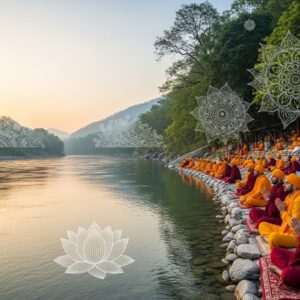


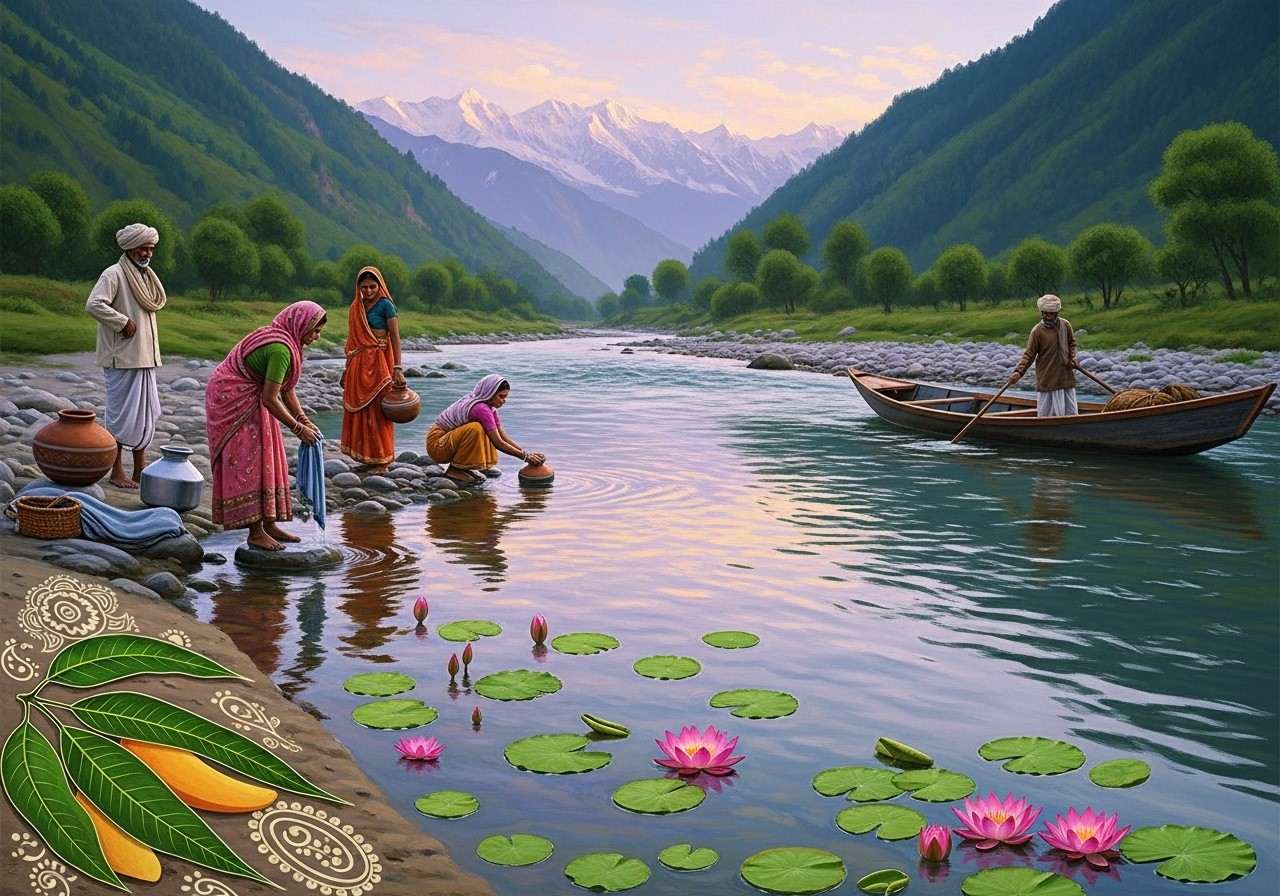
India is a land where nature and divinity walk hand in hand. Among the many natural wonders that bless our beautiful subcontinent, the sacred Beas River stands as a profound symbol of life, purity, and spiritual awakening. Often lovingly referred to as Vipasha in ancient scriptures, this holy stream weaves through the majestic Himalayas and the fertile plains, bringing nourishment and blessings to millions. For those of us who hold our traditions close to our hearts, understanding the journey of these pavitra (pure) waters is like reading a beautiful chapter from our own cultural heritage.
The Deep Spiritual Significance of the Holy Waters
In our rich Hindu mythology, flowing water is never just a geographical feature; it is a living, breathing goddess. The spiritual importance of the Beas River is deeply intertwined with the great sage Veda Vyasa. According to revered legends, it was from the pristine Beas Kund that the sage created this river, and it was on these very banks that he is believed to have composed the epic Mahabharata. Today, countless seekers of peace and devoted pilgrims visit the ancient temples dotting its shores. Performing rituals and offering prayers by these sacred waters brings a deep sense of inner calm, connecting us to the countless generations of sages who once meditated right here.
Tracing the Divine Course: From the Himalayas to the Plains
The journey of this magnificent river is nothing short of breathtaking. Originating at a remarkable elevation of 4,361 meters (14,308 feet) above sea level, the river takes birth at Beas Kund, nestled on the southern face of the mighty Rohtang Pass in the Pir Panjal range. As the smallest of the five major rivers of the Punjab region, it covers an approximate distance of 470 kilometers (290 miles), carving a path of unparalleled scenic beauty.
As the icy glacial waters begin their descent, they flow southwards through the breathtaking Kullu Valley. Journeying further, the river winds past Mandi and gently makes its way into the Kangra Valley. Here, the waterbody temporarily divides into three channels, only to unite again beautifully after crossing Mirthal. Finally, stepping into the vibrant state of Punjab, the river journeys south and southwest until it gracefully merges with the Sutlej River at Harike. Along this path, the river forms the very backbone of daily life, supporting lush agriculture and preserving age-old local customs.
Key Tributaries Nourishing the Flow
No great river makes its journey alone. Along its course, numerous smaller streams join hands to create this mighty watercourse. Here are some of the chief tributaries that bring their own unique blessings:
- Bain, Banganga, Luni, and Uhal: These vital mountain streams merge with the primary channel, significantly increasing its volume and strength. By bringing fresh glacial meltdown from the higher peaks, they continuously nourish the surrounding flora and fauna, keeping the entire ecosystem vibrant.
- Parbati, Solang, and Manalsu: Flowing gracefully through picturesque valleys, these tributaries add immensely to the scenic beauty and ecological richness of Himachal Pradesh. They play a deeply crucial role in maintaining the natural balance and supporting the traditional agricultural practices of the local mountain communities.
- Malana Nala, Spin, and Tirthan: By feeding pure, unpolluted water into the main basin, these smaller rivers help sustain both the spiritual activities and the economic livelihoods along the banks. Their continuous, gentle flow ensures that the plains below receive adequate water for extensive farming throughout the changing seasons.
Historical Footprints and the Legacy of Ancient Times
Beyond our scriptures, the river holds a very special place in world history. In the year 326 BC, the Beas River acted as the great easternmost frontier for Alexander the Great’s massive conquests. It was right here on these riverbanks that his weary troops famously mutinied, refusing to march even a single step further into the Indian subcontinent. This incredible historical moment highlights how our natural boundaries have historically protected and shaped our great civilization.
Ecological Wealth and the Lifeline of Local Communities
For the farming families and local towns spanning Himachal Pradesh and Punjab, this river is a literal lifeline. It serves as a crucial water source for countless cities, towns, and villages, sustaining both large-scale agriculture and daily drinking water needs. Modern marvels like the Beas Project have thoughtfully harnessed the river for widespread irrigation and hydroelectric power generation, beautifully showcasing how natural resources can drive regional growth while respecting the environment.
Moreover, the ecological importance of this basin cannot be overstated. The river nurtures incredibly diverse forests, rich wetlands, and is miraculously home to a small, isolated population of the rare Indus dolphin. Internationally, the waters are allocated to India under the Indus Waters Treaty with our neighbor, ensuring that this sacred resource continues to benefit our farmers and citizens effectively.
Elevating Your Spiritual Practices with Authentic Ritual Items
Whether you are reminiscing about a peaceful trip to Kullu-Manali or performing your daily puja at home in your own personal sanctuary, staying connected to your roots is deeply fulfilling. While we do not offer travel packages or VIP temple darshans, poojn.in is fully dedicated to bringing the purity of Indian traditions straight to your doorstep. We are India’s most trusted online store for cultural goods, ensuring your spiritual journey is supported by only the finest and most authentic ritual items.
At Poojn.in, we understand the emotional depth of your prayers. We offer a meticulously curated range of cultural goods that perfectly complement your spiritual lifestyle:
- Premium Incense Sticks: Creating a calming, fragrant atmosphere is essential for deep meditation and heartfelt prayers. Our authentic agarbattis fill the air with divine aromas, gently helping you focus your mind and easily connect with the supreme energy.
- Pure Camphor (Kapoor): Rituals involving fire hold immense importance in our daily traditions, profoundly symbolizing the complete removal of darkness and negativity. Using our high-quality Kapoor ensures a wonderfully clean, steady flame that deeply purifies your home environment during your daily aarti.
- Elegant Diyas (Oil Lamps): Lighting a deepak is a beautifully timeless tradition that brings genuine warmth, hope, and auspicious energy into your household. Our elegantly crafted traditional oil lamps are absolutely perfect for daily offerings, making your personal puja room feel just as sacred as a temple.
You can trust poojn.in to provide high-quality cultural items that respect your devotion and make your online shopping experience completely hassle-free. For any guidance on choosing the right puja materials, please feel free to call us at 03369029784 or warmly drop us a message on WhatsApp at 9476142738.
Exploring Common Curiosities About This Sacred Stream
Many nature lovers and spiritual seekers often wonder about the specific details of this grand river. Let us explore some of the most commonly discussed aspects of its journey.
Understanding the Sacred Origins
The journey begins high up in the magnificent Himalayas. The river originates from the sacred Beas Kund, situated at the lofty Rohtang Pass in the Pir Panjal range of central Himachal Pradesh. From this breathtaking elevation, it begins its descent to bless the plains below.
Cities Graced by the Holy Stream
As it carves its way through the mountains, the river gracefully flows through several culturally rich cities. Prominent towns like Manali, Kullu, Mandi, and Kangra thrive along its banks. These towns are not only famous for their unmatched natural beauty but also rely heavily on the river for their daily agricultural and economic sustenance.
The Root of Its Reverence
The deep reverence for these waters stems from our ancient roots. Because it is historically linked to the great sage Veda Vyasa and the era of the Mahabharata, the river is treated with the utmost spiritual respect. Generations of sages have meditated near its waters, embedding a lasting aura of divinity into the very soil.
The Point of Confluence
Every great river eventually seeks a larger body to merge into. After entering the fertile state of Punjab, this holy stream meets the Sutlej River at a beautiful confluence point located in Harike. This junction forms a highly significant ecological wetland that is crucial for the region’s biodiversity.
Nourishing the Roots of Indian Agriculture and Culture
The fertile lands surrounding the riverbed owe their prosperity to these very waters. By providing extensive irrigation resources, the river acts as a dependable backbone for growing essential crops like wheat and rice. Furthermore, it is central to countless local festivals, folk songs, and traditional crafts, perfectly blending everyday livelihood with deep cultural celebration.
Conclusion
The ancient Beas River remains a treasured jewel in India’s vibrant tapestry, seamlessly weaving together our rich history, deep-rooted culture, and modern life. It stands proudly as a testament to our country’s glorious past, having marked ancient imperial boundaries while continuing to support and nurture vibrant, hard-working communities today. From its sacred, icy origins at Beas Kund to its peaceful merging with the Sutlej, the river plays an absolutely vital role in sustaining both our delicate ecosystems and our beloved traditions.
As we honor and respect these holy waters, let us also strive to keep our inner spiritual rivers flowing. By preserving our traditions and performing our daily rituals with purity and love, we ensure that the beautiful legacy of our ancestors is passed down beautifully to the next generation.