


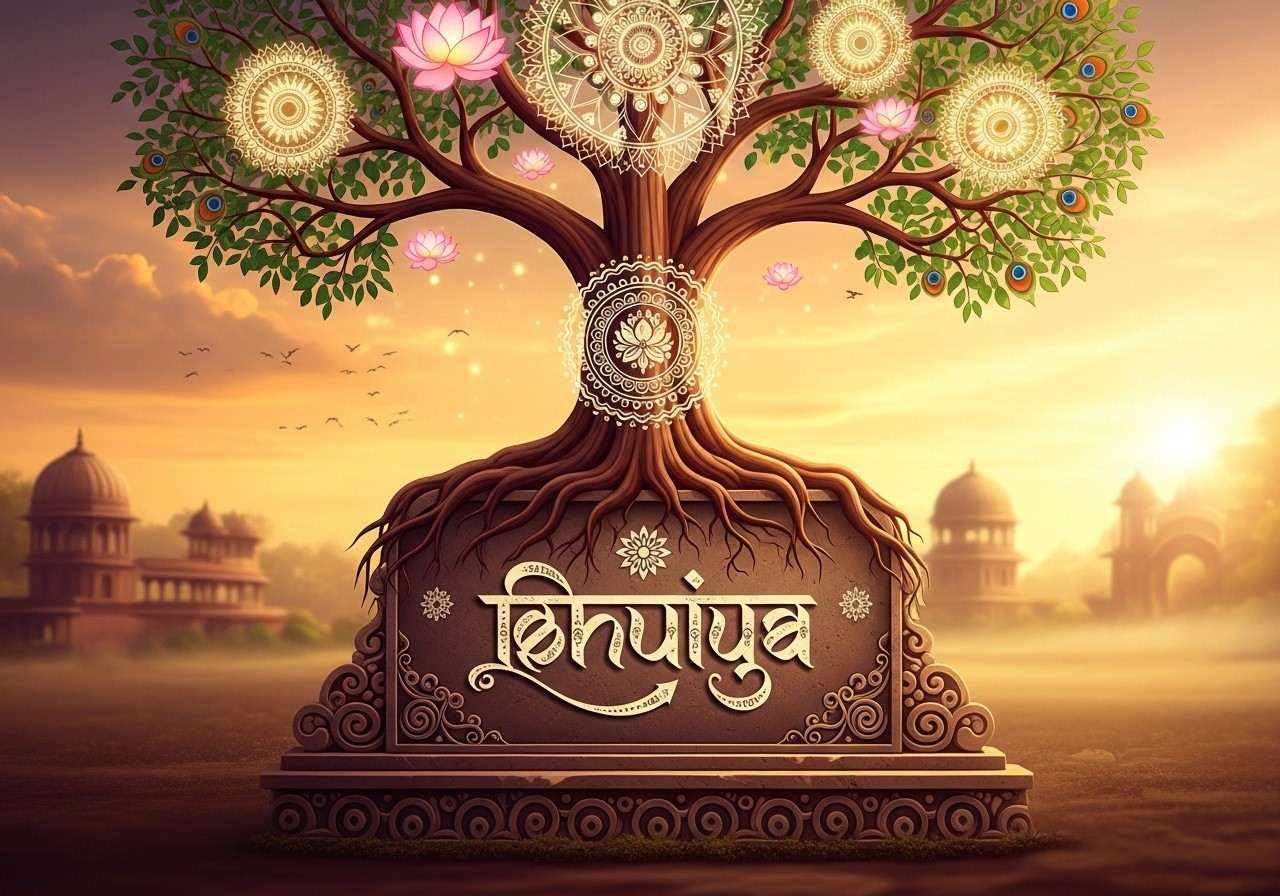
Namaste! As we navigate the fast-paced, modern world of 2026, many of us feel a profound yearning to look back and reconnect with our ancestral roots. India is a land of diverse legacies, and understanding where we come from gives us a beautiful sense of grounding. One such deeply fascinating lineage is that of the Bhuiya family name. This ancestral title is not just a mere surname; it is a vibrant symbol of resilience, pride, and an eternal bond with Mother Earth. Let us take a heartfelt journey to explore the profound legacy behind this historic identity.
The Soulful Etymology: What Does ‘Bhuiya’ Mean?
The essence of this beautiful family name is deeply embedded in the ancient languages of our beloved motherland. It originates from the Sanskrit word “bhumi,” which translates reverently to “earth” or “land.” To bear this title essentially means to be a “son of the soil,” a landholder, or even a local chieftain. It highlights a profound, ancestral possession and stewardship over territory.
Historically, individuals carrying this identity were deeply respected as caretakers of the land. The suffix in the name beautifully reinforces the idea of belonging—a sacred, unbroken bond between the community and the fields that nourished them. Understanding these linguistic roots shines a brilliant light on the dignified socio-economic roles our ancestors played in nurturing rural economies.
A Tapestry of History: Chieftains and Indigenous Communities
The historical footprint of this lineage is incredibly vast and inspiring. Geographically, these indigenous communities have flourished across magnificent Indian states, including Bihar, Jharkhand, Odisha, Madhya Pradesh, Assam, West Bengal, and Uttar Pradesh. They are a wonderfully diverse people, possessing unique cultural variations and subgroups that add to the colorful tapestry of India.
One of the most awe-inspiring chapters of their history is the legacy of the Baro-Bhuiyan (twelve chieftains). Between 1336 and 1576, these fierce and independent chieftains, comprising both Hindu and Muslim backgrounds, proudly ruled parts of the Sultanate of Bengal. They bravely maintained independent confederacies and valiantly resisted Mughal expansion, forever etching their bravery into the annals of medieval Indian history. As hereditary landowners, they skillfully controlled vast estates and managed the land revenue systems of their time.
Tribal Connections, Adaptability, and Social Mobility
Over the centuries, this widespread community has gracefully adapted to the shifting tides of time. Classified historically into southern and northern divisions, various groups have showcased different levels of cultural development. While some economically disadvantaged sections beautifully preserved ancient, earth-honoring practices like Podu cultivation, others engaged in remarkable social mobility.
During sweeping socio-political changes, such as the displacement policies of the British colonial era, our ancestors faced tremendous challenges. Yet, they showcased unbelievable resilience. Fast forward to today, post-independence reforms and globalization have seen many families transition from traditional farming into diverse, highly respected global professions, all while fiercely preserving their cultural heritage.
Embracing Your Legacy with Poojn.in
In our modern lives, blending our glorious past with present-day conveniences is truly a blessing. Understanding the deep roots of your family history allows you to honor the enduring connection to your ancestors. At Poojn.in, India’s most trusted cultural goods store, we feel deeply honored to help you beautifully preserve these timeless traditions.
We absolutely do not offer travel packages or VIP darshan services; our sole devotion is to provide you with the finest cultural and spiritual items right at your doorstep. Poojn.in stands out as the premier destination for authentic cultural goods in India. Our meticulously curated store offers an extensive range of products that cater to all your spiritual and traditional needs. We warmly invite you to explore our rich collection today!
Cultural Goods Available at Poojn to Support Your Journey:
- Traditional Ritual Items: Discover our carefully curated selection of authentic pooja essentials that are absolutely crucial for performing your daily rituals and auspicious household ceremonies. Every single item is crafted with immense devotion to ensure it beautifully meets our traditional Indian standards, helping you invite divine blessings into your home. Explore these sacred items at .
- Books on Indian Culture: We provide an enriching, thought-provoking collection of literature that delves deep into the fascinating history and traditions of various indigenous communities, including your glorious ancestral heritage. These carefully chosen books offer profound insights into ancient customs, sacred rituals, and the rich historical backgrounds that shaped our nation. Deepen your knowledge by visiting .
- Handcrafted Decor: Transform your living spaces with our exquisite, culturally inspired handcrafted decor pieces that beautifully reflect the vibrant soul of Indian craftsmanship. These magnificent items not only add a warm, aesthetic charm to your modern home but also keep your family deeply connected to your rich, traditional roots every single day. Bring heritage home via .
We are always here to support your cultural journey. For any heartfelt assistance or to learn more about our traditional offerings, please feel free to contact us at 03369029784 or WhatsApp us at 9476142738.
Frequently Asked Queries About the Heritage
What is the core meaning behind this ancestral title?
The title fundamentally relates to the very essence of land or earth in our ancient scriptures. It beautifully signifies individuals who have historically been deeply connected to land ownership, protecting the sacred soil, or engaging in nurturing agriculture.
Where does this family lineage primarily originate?
This respected lineage has profound cultural origins right here in India. It is specifically tied to indigenous agrarian societies who were intimately involved in farming, managing vast green landscapes, and serving as vital local chieftains.
What is the historical significance of this heritage?
Historically, this proud identity has been associated with highly respected societal roles linked to agriculture, local governance, and land management. Our ancestors played an absolutely crucial part in sustaining and flourishing rural economies over many centuries.
Which regions in India are most associated with this community?
You will predominantly find this vibrant lineage in culturally rich regions like Bihar, Jharkhand, Odisha, West Bengal, Assam, and Uttar Pradesh, where an enduring, reverent bond with agriculture has always been a primary way of life.
How does this name beautifully reflect cultural identity?
It powerfully reflects cultural identity through its timeless connection to traditional agrarian livelihoods and the immense, sacred importance of “Bhumi” (Mother Earth) in both ancient and modern Indian society.
Is this identity linked to specific societal groups?
Yes, it is often passionately linked to widespread indigenous communities and tribes known for their deep expertise in agriculture, complex land tenure systems, and resilient socio-cultural identities.
What role does this legacy play in our modern society today?
In our rapidly changing modern society, this heritage continues to powerfully symbolize a proud connection to agricultural roots and ancestral chieftains, even while individuals gracefully transition into diverse, modern global professions far beyond traditional farming.
How has the perception of this lineage evolved over the generations?
Over time, the perception of this beautiful heritage has gracefully evolved. It has blossomed from strictly agricultural and chieftain associations into a much broader, deeply celebrated representation of India’s incredibly rich and diverse cultural tapestry.