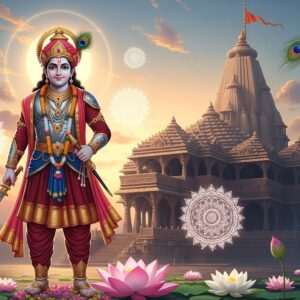


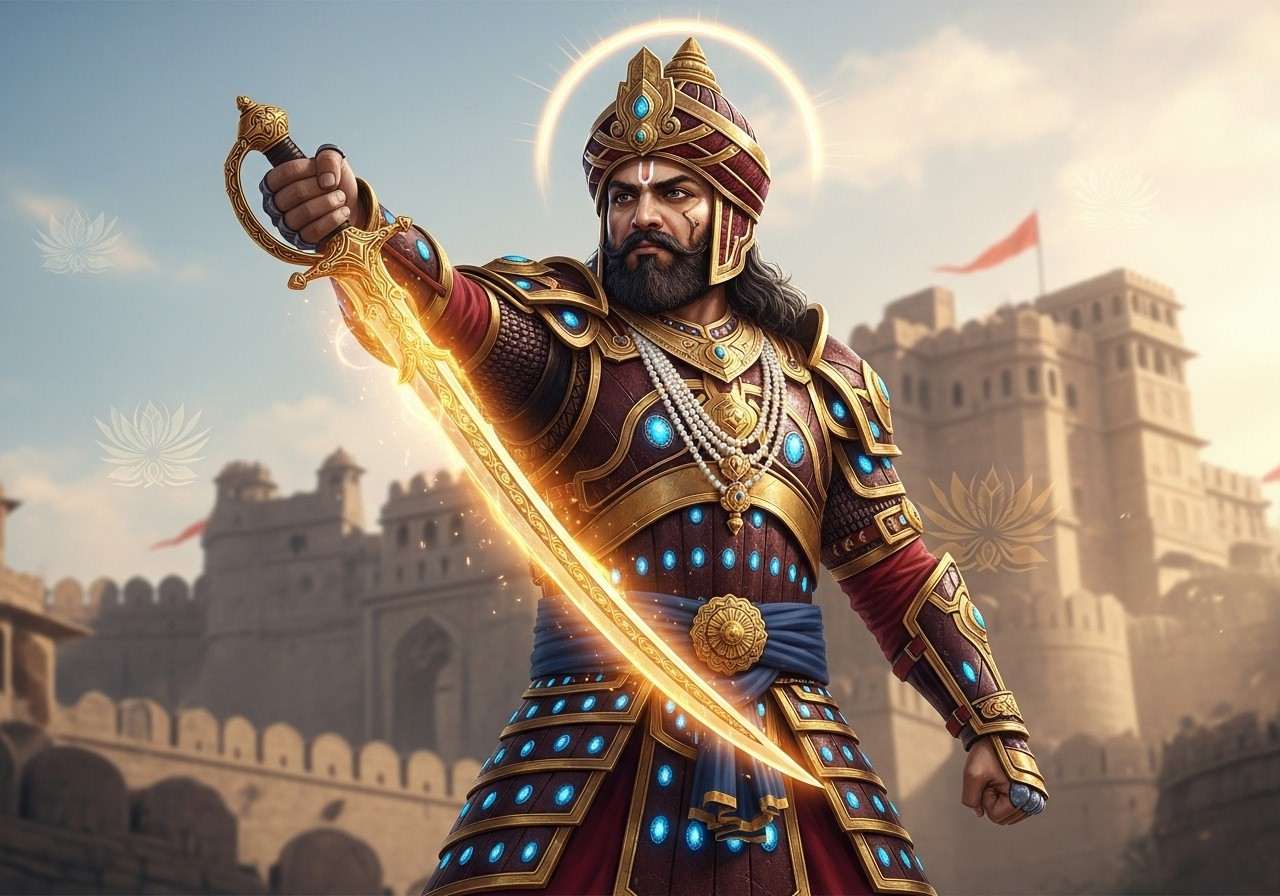
India’s magnificent history is richly adorned with the awe-inspiring stories of brave hearts who fiercely protected our motherland and its sacred traditions. Among these towering historical figures is Bappa Rawal, affectionately and respectfully known as Kalbhoj. As the visionary first major ruler of the Guhila Rajput dynasty, he left an everlasting imprint on the glorious Mewar region. For every individual who holds our vibrant cultural heritage close to their heart, his life offers a profound narrative of unity, resilience, and an unwavering commitment to Dharma.
The Early Years: Forged in the Crucible of Adversity
The journey of this great sovereign is a testament to the fact that true leadership is often born out of extreme challenges. His formative years were marked by hardship, yet they perfectly set the stage for the emergence of an unparalleled guardian of our civilization.
- A Childhood of Rigorous Training and Survival: Born in the year 713 AD, his early life took a tragic turn when his father was devastatingly assassinated in battle. He was lovingly and courageously raised by his mother with the vital assistance of fiercely loyal Bheel attendants, who took it upon themselves to meticulously teach the young boy the complex arts of military warfare and wilderness survival.
- The Historic and Strategic Conquest of Chittor: By the time he turned 21 in the year 734 AD, this brilliant tactician successfully defeated Man Mori to claim the impregnable Chittor fort. Historical accounts highlight that during the turbulent times when Qasim attacked the Mori Rajputs, the young Guhilot warrior served as an indispensable commander in the Mori army, fighting valiantly alongside Dahir’s son to protect their homeland.
A Shield Against Invaders: Safeguarding the Motherland
The sheer ferocity and extraordinary bravery exhibited by Kalbhoj were so astounding that foreign invaders dared not attack our prosperous nation for the subsequent 400 years. His strategic brilliance extended far beyond the battlefield, shaping the geographical and cultural boundaries of his era.
- Decimating the Arab Incursions: In the monumental Battle of Rajasthan in 738 AD, he masterfully brought together various fragmented smaller states to form a powerful, unified confederacy. With unparalleled ferocity, he completely decimated the invading Arab forces, relentlessly chasing them deep into the unforgiving desert beyond Ghazni, thereby liberating Sindh and establishing a lasting era of peace.
- Visionary Empire Building and Administration: Going far beyond regional conquests, he established and efficiently administered a colossal empire that spanned across Sindh, Baluchistan, Ghazni, Kandahar, Khorasan, Turan, and Iran, entirely governed from the heart of Mewar. To firmly secure his kingdom’s North West Frontier, he laid the foundations of a formidable military base named Rawalpindi, a historic city that impressively survives in modern-day Pakistan.
The Metaphorical Weight of Leadership: The Divine Khanda
When we discuss the physical stature and the martial equipment of this legendary king, we are delving into symbols of ultimate sovereignty and divine justice. In classical Indian history, a warrior’s blade is never merely a weapon of destruction; it is profoundly revered as a physical manifestation of Shakti (supreme cosmic power) and absolute righteousness.
- The Astonishing Weight of the Royal Blade: According to deeply rooted popular belief and vibrant folklore, the legendary weapon wielded by this Mewar king weighed a staggering 1280 kg, which translates to approximately 32 traditional “Maunds.” Many learned historians and spiritual scholars interpret this staggering weight as a profound metaphorical exaggeration, beautifully representing the immense burden of responsibilities he carried and his unparalleled sovereign power.
- The Sacred Symbolism of the Khanda: It is widely believed that his chosen weapon was a Khanda, a highly revered straight, double-edged blade deeply embedded in Rajput culture. This exceptional weapon is universally recognized as a timeless symbol of pure honor, spiritual valor, and the relentless, absolute protection of Dharma. It is said that this mighty instrument played a crucial role in his numerous victories, gracefully cutting through enemy lines while defending the pure honor of the motherland.
Cherishing Our Heritage with Authentic Cultural Artifacts
As we reflect upon the glorious tales of our ancestors, bringing a touch of this majestic heritage into our everyday living spaces becomes a deeply spiritual and fulfilling experience. We understand that modern Indian families wish to stay deeply connected to these roots while enjoying the convenience of authentic online shopping.
Please note that Poojn strictly focuses on providing cultural goods through our online platform; we do not sell actual historical artifacts, nor do we offer travel packages or VIP temple darshan services. However, if you wish to beautifully honor the warrior spirit of our great Rajput ancestors, you can explore our exclusive collection at https://www.poojn.in. We take immense pride in offering masterfully crafted replicas of traditional shields and swords, allowing devoted enthusiasts to appreciate the breathtaking artistry that defined the regal armories of the past.
Additionally, our thoughtfully curated selection of cultural literature and intricate decorative items is absolutely perfect for anyone seeking to create a living space that deeply resonates with traditional Indian ethos. For further details on our exquisite offerings, please visit our online store, reach out via a call at 03369029784, or conveniently WhatsApp our helpful cultural team at 9476142738.
A Lasting Legacy of Bravery and Protection
The stories of Kalbhoj are not just chapters in a history book; they are living, breathing inspirations that continue to shape the cultural pride of the Rajput community and the entire nation. Knowing that great historical luminaries like Rana Sanga, Maharana Pratap, and Rana Uday Singh proudly trace their noble lineage back to him fills our hearts with immense reverence. By remembering his unmatched valor, we beautifully strengthen our own connection to India’s glorious past.
Frequently Asked Questions About the Legend of Kalbhoj
What is known about the physical stature of this legendary Mewar king?
Historical chronicles and regional folklore passionately describe him as a towering, robust figure with an exceptionally imposing presence. His formidable physique beautifully complemented his role as a supreme commander, making him easily stand out among his contemporaries during that era.
How heavy was the famed blade wielded by Kalbhoj?
According to traditional stories, the legendary weapon weighed an astonishing 1280 kg (roughly 32 Maunds). While practical combat weapons of the 8th century typically weighed between 2 to 4 kilograms, the mythical weight of his blade serves as a powerful, beautiful metaphor for his unimaginable strength and the heavy burden of protecting his beloved kingdom.
What specific type of weapon did he use in his historic battles?
He famously wielded a Khanda, a highly revered straight, double-edged blade that holds immense spiritual and cultural significance. This exceptional weapon represents pure honor, absolute justice, and the relentless defense of our timeless traditions.
Why is his weapon considered so culturally significant?
In our rich heritage, his blade is far more than a tool for warfare; it represents divine Shakti and the unyielding pursuit of justice. It stands as an enduring emblem of his legacy as a just king and an invincible guardian of the motherland.
Where can one learn more about this incredible martial heritage?
You can dive deeper into these fascinating historical narratives through culturally enriching literature, detailed documentaries, and by visiting heritage museums. Our online store also provides insightful books that beautifully cover the vast spectrum of ancient Indian history.
Are there ways to respectfully incorporate this martial heritage into home decor?
Absolutely, integrating traditional decor into your living space is a wonderful way to pay tribute to our glorious past. You can easily find magnificent replicas of historical armaments and regal decorative items by visiting https://www.poojn.in, ensuring your home gracefully reflects the timeless courage of our ancestors.
What materials were traditionally favored by craftsmen to forge such iconic weapons?
Master artisans of the 8th century typically utilized extremely high-quality forged steel to craft these vital instruments of defense. This premium choice of material ensured that the blades retained extraordinary durability, razor-sharp edges, and the reliable strength necessary to protect the realm.