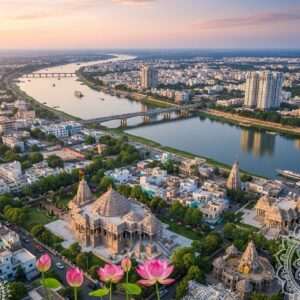


The Amravati Division, nestled gracefully in our beloved Maharashtra, is an area deeply rooted in ancient cultural heritage and modern administrative significance. Understanding its unique governance structure helps us truly appreciate how profoundly it influences local development and everyday life. By exploring the vibrant history of its establishment, we gain a deeper respect for its lasting impact on the hardworking and culturally rich people who call this region home.
Historical Background and the Evolution of Varhad
The origins of this remarkable region trace back to significant historical milestones. Established in 1879, the division was initially formed as part of a dedicated effort to improve administrative efficiency and better serve the local populace in Maharashtra. It was thoughtfully created to manage local governance with a closer, more empathetic approach.
Over the decades, several defining milestones have shaped its ongoing evolution. Necessary administrative reforms and adjustments in territorial boundaries were naturally introduced to meet the ever-changing needs of society. Key policy shifts and developmental events have significantly influenced how governance is conducted today, ensuring that the welfare of the community always remains at the forefront.
Understanding the Framework: Districts and Authorities
To truly grasp the efficiency of the region, we must look at its meticulously organized governance. The state of Maharashtra has been structurally divided into six administrative divisions, including Amravati, specifically to maintain law and order while boosting public infrastructure. The administrative structure and governance of Amravati Division are brilliantly organized as follows:
- A Legacy Known as Varhad: Fondly and historically referred to as Varhad, this vibrant region proudly stands as one of the six key administrative divisions of Maharashtra state in India. It serves as a crucial pillar for maintaining public infrastructure and ensuring the smooth, everyday implementation of state policies.
- Comprising Five Distinct Districts: The division beautifully amalgamates the unique cultures and resources of five distinct districts: Akola, Amravati, Buldhana, Washim, and Yavatmal. The city of Amravati itself proudly serves as the central administrative headquarters, guiding the entire region’s developmental journey.
- Leadership of the Divisional Commissioner: The entire division is expertly administered by a dedicated IAS officer appointed by the Government of Maharashtra. As of March 11, 2026, Dr. Shweta Singhal (I.A.S) holds the esteemed position of Divisional Commissioner, bringing extensive experience to lead the region toward sustainable progress.
- Crucial Role of District Collectors: Every individual district within this division is meticulously headed by a District Collector. These devoted officials take on the immense responsibility of managing revenue generation, upholding law and order, and seamlessly coordinating overarching development plans for the public’s benefit.
- Grassroots Sub-Divisions and Talukas: To ensure that effective governance reaches the very grassroots level, districts are systematically fragmented into sub-divisions and further into tehsils or talukas. For instance, the Amravati district alone is strategically divided into six sub-divisions and 14 talukas for streamlined, transparent revenue and administrative functions.
- Judicial and Police Administration: The upholding of justice is held in the highest regard, with the District Judge presiding as the highest judicial authority over the District Court. Simultaneously, the District Superintendent of Police serves as the executive head of the police force, working tirelessly to maintain peace, security, and harmony across the community.
Governance, Functioning, and Community Welfare
Effective governance in the region relies heavily on the harmonious cooperation between local authorities and the state government. Decision-making processes deeply involve setting mindful policies that directly impact public services, daily infrastructure, and precious local resources.
With modern technology playing an increasingly vital role, overall administrative efficiency has visibly improved. This digital embrace allows for quicker, more transparent, and highly effective service delivery, ensuring that every family feels supported by the administrative framework.
Preserving Our Heritage: Cultural Identity and Daily Rituals
What makes the Amravati Division truly special is its ability to beautifully balance traditional, deep-rooted Indian values with modern governance. This thoughtful approach ensures that our treasured cultural heritage remains incredibly strong while gracefully adapting to modern lifestyles. The administration continuously supports cultural events and community activities, which inherently helps in preserving our sacred traditions and promoting a strong local identity.
As we celebrate the cultural richness of this historic region, maintaining our daily spiritual practices becomes a vital way to stay connected to our roots. At poojn.in, we are deeply committed to helping you seamlessly honor these traditions by providing authentic cultural and ritual goods right to your doorstep. We understand that taking time out for spiritual devotion is essential for your family’s peace and prosperity.
To support your sacred everyday rituals, our online store offers carefully curated items, such as:
- Authentic Puja Thalis: Crafted to absolute perfection, our beautiful puja thalis bring an aura of divine grace to your daily prayers and festive celebrations. They are thoughtfully designed using high-quality materials to ensure they remain a cherished part of your sacred space for generations.
- Premium Incense Sticks: Fill your beloved home with the soothing and profoundly spiritual aromas that deeply resonate with our ancient temple traditions. Hand-rolled with pure, natural ingredients, these incense sticks seamlessly create the perfect meditative and peaceful environment for you and your family.
- Traditional Diyas and Lamps: Lighting a sacred lamp is the beautiful cornerstone of any auspicious beginning, gently dispelling darkness and inviting lifelong prosperity. Our carefully curated collection of traditional diyas adds a warm, deeply welcoming glow to all your everyday rituals and grand ceremonies.
By bringing these authentic items into your home from poojn.in, you confidently ensure that your practices align purely with the traditional values we all hold dear. Enjoy the modern convenience of our trusted online shopping while staying blissfully true to your cultural roots. For further assistance or to easily place an order for your home, please feel free to call us at 03369029784 or reach out on WhatsApp at 9476142738.
Navigating the Path Forward: Challenges and Opportunities
Like any growing region, the division occasionally faces challenges such as socio-economic disparities that can affect unified growth. However, addressing these crucial issues actively involves creating localized strategies that leverage abundant opportunities for sustained development.
Improving essential infrastructure and continuously enhancing public services are viewed as vital, non-negotiable steps. Through dedicated leadership and community participation, the region is beautifully overcoming obstacles and fostering a wave of progress that benefits every single resident.
A Legacy of Progress and Tradition
In conclusion, the Amravati Division stands proudly as a remarkable blend of cherished tradition and forward-thinking governance, playing a tremendously vital role in shaping Maharashtra’s socio-economic landscape. Its historical roots and profound cultural significance brilliantly enrich its administrative identity, making it a true beacon of growth and heritage.
Under the capable guidance of experienced officials like Dr. Shweta Singhal, the division’s structured framework ensures efficient governance and inclusive community development. By embracing both modern challenges and exciting opportunities, the region continues to strive for progress, impeccably preserving its rich cultural legacy while eagerly paving the way for a much brighter, prosperous future.
Frequently Asked Questions About the Region’s Governance
What is the Amravati Administrative Area affectionately known as?
This deeply revered region is historically and culturally known as Varhad, serving as a vital revenue and governance hub for the state. It stands as a powerful testament to Maharashtra’s rich legacy, seamlessly blending modern administrative duties with age-old cultural warmth.
When did the formal establishment of this division take place?
While the initial administrative foundation was thoughtfully laid back in 1879 to streamline local governance, it officially became a vital, reorganized part of Maharashtra’s framework in 1956. Since then, it has been absolutely instrumental in shaping the socio-economic and cultural landscape of the entire area.
What is the primary focus and function of this regional framework?
The primary focus of this division is to meticulously manage administrative and revenue-related tasks for the betterment of the public. It actively ensures efficient governance, transparent processes, and the smooth, uninterrupted functioning of everyday life for all its residents.
How is the overall governance structured and organized?
The comprehensive governance structure is systematically organized into various specialized departments, cascading down from the Divisional Commissioner to the District Collectors and Tehsildars. Each dedicated department handles specific administrative functions, ensuring that grassroots management is highly effective and responsive.
Why does this specific division hold such immense importance for Maharashtra?
It holds immense importance because it beautifully facilitates the decentralization of state governance, bringing authority closer to the common man. This thoughtful setup allows for highly effective local administration, rapid problem-solving, and the swift implementation of vital state welfare policies.
What are the key daily responsibilities managed by the authorities here?
The vital daily responsibilities heavily include transparent revenue collection, proper land record management, and the faithful implementation of diverse government upliftment schemes. These essential duties ensure the sustained welfare, security, and continuous development of the entire region.
How exactly does this structure contribute to better local governance?
It contributes tremendously by acting as a strong, reliable bridge of communication between the central state government and the local civic bodies. This seamless connection ensures that hyper-local needs, community grievances, and infrastructural issues are addressed both promptly and efficiently.