

Stepping into the history of Sialkot is like unearthing a timeless treasure from the depths of our shared past. Once celebrated as Sakala or Sagala, this ancient city offers a profound journey through time, echoing the glorious tales of the ancient Madra Kingdom. For those of us who deeply cherish our traditional roots and the spiritual legacy left by our ancestors, the story of this historically vibrant region is both fascinating and inspiring. It is a testament to the resilience of culture and the enduring power of our ancient heritage.
The Dawn of Sakala: Founding and Early Mentions
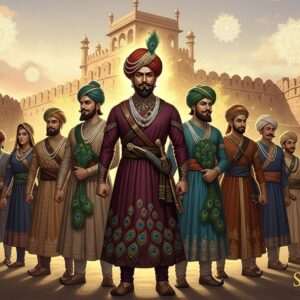
The majestic origins of Sialkot are firmly planted in the sacred soil of the ancient city of Sagala. Revered in historical texts such as the Mahabharata, the city has long been recognized as a beacon of cultural and spiritual wealth. Nestled in the fertile Sakaladvipa region, specifically in the Rechna Doab between the life-giving Chenab and Ravi rivers, it is believed to have been inhabited by the Saka people, or Scythians, journeying from Central Asia. According to beloved local legends and historical chronicles, the city and its famous fort were masterfully rebuilt in the 2nd century AD by the legendary Raja Salban (Salivahan). This monumental effort highlights the city’s remarkable ability to rise, grow, and adapt through the ages.
Alexander the Great’s Conquest and Its Aftermath
The city’s strategic importance inevitably drew the eyes of ambitious conquerors. In 326 BCE, the course of Sagala’s history shifted dramatically when Alexander the Great captured the city from the Cathaeans. To send a stern warning against resistance, the ancient settlement was razed. Historical records vividly note that at the time of this invasion, the bustling city of Sagala was a thriving home to nearly 80,000 residents. This pivotal moment forever altered the region’s historical narrative, beautifully weaving foreign encounters into the local cultural fabric.
The Golden Era of the Indo-Greek Kingdom
Like a phoenix rising from the ashes, Sagala experienced a magnificent rebirth in the 2nd century BCE. Under the visionary leadership of King Menander I, the city was meticulously rebuilt and proudly crowned as the capital of the Indo-Greek kingdom. During this golden era, the region flourished not only as a massive trading epicenter but also as a profound hub of Buddhist thought and philosophy. King Menander’s famous philosophical debates with a Buddhist monk eventually led to his heartfelt embrace of Buddhism, adding a rich, spiritual depth to the city’s identity. The Greeks even gave it a new name, Euthymedia, showcasing a beautiful era of cultural intermingling.
Sakala in Historical Texts and Later Eras
Beyond the Greeks, the fame of Sakala reached the ears of distant scholars and travelers. It graces the pages of prominent Buddhist literature like the Milinda Panha, and ancient geographers such as Claudius Ptolemy carefully documented its vast trade connections. The revered Chinese pilgrims Fa-Hien and Hiuen Tsang also walked its paths, recording observations that continue to enrich our understanding of our ancestors’ lives. The resilience of Sialkot is truly remarkable; by 1185, after Muhammad Ghauri conquered Punjab, he repaired the iconic Sialkot Fort and integrated the city into the Sultanate of Delhi, opening yet another chapter in its storied existence.
Embracing Modern Reflections of Ancient Traditions
Today, the essence of ancient Sakala continues to breathe life into modern traditions. The timeless rituals, festivals, and spiritual practices born in those ancient times continue to live on in the hearts of those who cherish our glorious past. The region’s historical awareness deeply influences local artisanship and commerce, keeping the ancient flame of traditional craftsmanship alive for future generations to admire.
Discovering Our Shared Heritage with Poojn
Understanding the magnificent roots of Sakala profoundly enriches our connection to Indian heritage. As we journey through these ancient tales, bringing traditional rituals and practices into our daily lives is a beautiful way to honor this enduring legacy. Poojn.in stands as India’s premier destination for cultural goods, offering an exquisite variety of authentic ritual items that perfectly complement your spiritual journey.
Ritual Items for Your Sacred Journey
- Brass Puja Thali Sets: Elevate your daily spiritual practices with our exquisitely crafted brass thalis, which are absolutely essential for performing authentic traditional rituals. Explore our elegant brass puja thali sets to bring a touch of timeless purity and devotion directly into your home’s sacred space.
- Incense Sticks and Holders: Transform your living space into a serene, fragrant sanctuary while you sit back and reflect on the profound history of ancient Sakala. Discover our premium incense collection, carefully and lovingly selected to foster a calming, divine atmosphere that soothes the soul.
- Traditional Lamps and Diyas: Illuminate your surroundings during meditation or evening prayers to feel a deep, illuminating connection to the wisdom of our ancient ancestors. Shop our beautifully crafted traditional diyas to ensure the warm, guiding light of our rich cultural legacy always burns bright in your home.
These authentic cultural products are thoughtfully curated and available on our website, providing you with the absolute convenience of modern online shopping without compromising on traditional values. For more information, guidance, or dedicated assistance, please contact us at 03369029784 or simply WhatsApp us at 9476142738.
Embracing a Timeless Legacy
Sialkot stands as a magnificent bridge between the past and the present—a place where ancient sagas and age-old traditions effortlessly thrive. The incredible journey from the bustling streets of Sakala to the modern era reflects a vibrant tapestry woven with deep history, unmatched resilience, and profound culture. These stories are not merely relics of the past; they actively shape cultural identities and deeply inspire those of us who hold our heritage close to our hearts.
Frequently Asked Questions about Sakala’s History
What is the old name of Sialkot?
The historical and deeply rooted ancient name of the city is Sakala, a culturally significant title widely celebrated and documented across ancient Indian texts and revered historical records.
Who founded Sialkot?
The early foundations and the subsequent majestic rebuilding of the city’s famous fort in the 2nd century AD are widely credited to Raja Salban (Salivahan), a legendary historical figure who passionately shaped its ancient development.
What is the historical significance of Sialkot?
Known as Sagala in antiquity, the city held immense historical importance due to its highly strategic location in the Rechna Doab, making it a crucial epicenter for vibrant philosophical debates, regional trade, and monumental historical shifts.
How did Sialkot get its name?
The modern name gradually evolved through centuries of natural linguistic transitions from its original ancient designation, Sakala, beautifully reflecting the passage of time and the diverse cultural shifts the region experienced.
What are some notable historical events in its history?
The region witnessed numerous monumental turning points, including its fierce capture by Alexander the Great in 326 BCE, its prosperous era as the magnificent capital of the Indo-Greek kingdom under Menander I, and its later pivotal role under Muhammad Ghauri in 1185.
Why is this city known for its ancient roots?
Its storied past stretches back to the majestic Madra Kingdom and features vibrant intersections with Central Asian Saka communities, Indo-Greek philosophers, and resilient local traditions that have proudly survived the ultimate test of time.
What role did it play in ancient trade?
Perfectly nestled between the Chenab and Ravi rivers, the ancient city thrived as an indispensable commercial hub connecting major trade routes, beautifully allowing skilled artisans, merchants, and diverse cultures to seamlessly interact and prosper.
Are there historical sites related to its ancient past?
Yes, the region still proudly holds remnants of its magnificent heritage, including the legendary foundations and structures associated with the Sialkot Fort, serving as a powerful, silent reminder of the glorious civilizations that once flourished there.