
In the rich tapestry of our history, certain names echo with a grandeur that transcends time. Just as we at poojn.in cherish the sanctity of every ritual and the story behind every artifact, exploring ancient names helps us connect with our roots. One such name that intrigues historians and culture enthusiasts alike is Gondophares. More than just a title, it is a window into the Indo-Parthian history that shaped parts of ancient India. Whether you are a student of history or someone who deeply values our virasat (heritage), understanding the significance of this ruler offers a fascinating glimpse into the past.
At poojn.in, India’s premier destination for cultural goods, we believe that every tradition tells a story. While you explore the depths of history here, don’t forget that we are your one-stop shop for authentic ritual items, helping you keep those traditions alive in your modern home.
The Historical Realm of King Gondophares
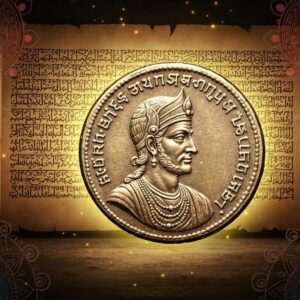
When we turn the pages of history back to the first century, specifically between 20 and 46 CE, we encounter the rise of the Indo-Parthian Kingdom. Gondophares was the illustrious founder of this dynasty. His rule was not insignificant; it spanned vast territories including Drangiana, Arachosia, and the Punjab region. For us Indians, realizing that such powerful figures walked the lands of the undivided Punjab gives us a sense of historical continuity.
Historians note that his reign was a period of robust trade and cultural synthesis. It was a time when the East and West were shaking hands, exchanging not just goods but ideas. Interestingly, the Gondopharid dynasty is named directly after him, signifying his immense impact. Archaeological finds, including coins and inscriptions, serve as silent witnesses to his glory, reminding us of a time when the subcontinent was a melting pot of civilizations.
Gondophares: Meaning and Linguistic Roots
In Indian culture, a name is never just a label; it is a wish, a blessing, and a prophecy. The name Gondophares is no different. Steeped in royal ambition, the name is derived from the Old Persian word Vindafarnah. The meaning is truly majestic: “Holder of Glory” or “May he find glory.”
This sentiment of bestowing glory through a name is something we still practice today. Just as we look for auspicious meanings for our children, the ancients chose names that projected power and divinity. If you are interested in how historical names carry deep significance, you might find our article on Durvinita Name Meaning and Significance equally captivating, as it explores similar themes of royal identity.
Mastering the Pronunciation
We understand that ancient names can be a tongue twister! Pronouncing Gondophares correctly respects the historical figure. Generally, it is articulated as “Gon-doh-fair-eez.” However, in its original Old Persian form, it sounds like Vindafarnah.
Language evolves, and regional dialects in India often soften or shift sounds. At poojn.in, we often encounter questions about the correct articulation of traditional terms. If you struggle with ancient pronunciations, we have curated guides that might help refine your diction for other complex terms. for instance, you can learn how to pronounce Parshvanatha or explore the nuances of the Anguttara Nikaya pronunciation. These resources are excellent for anyone looking to speak with cultural confidence.
Celebrating Names and Traditions in Modern Life
Why do we discuss a king from 20 CE? Because understanding our past enriches our present. Gondophares represents a connection to the world, a symbol of glory that resonates with the Indian spirit of hospitality and grandeur. Today, we celebrate names and identities in our own unique ways, especially during weddings and housewarmings.
Speaking of names and welcoming new identities, one of the most beautiful traditions in Bengal is the Bodhu Boron, where the new bride is welcomed. Just as ancient kings inscribed their names on coins to mark their territory, we mark our homes and lives with names of our loved ones. If you are looking to celebrate a new addition to your family, check out our exquisite Bengali Wedding Bodhu Boron Name Plate. It is a perfect blend of tradition and artistry, available exclusively at our store.
Common Questions About Gondophares
What does the name Gondophares actually mean?
The name is rich with aspiration. It translates to “Holder of Glory” or “Keeper of Splendor.” It originates from the Old Persian term Vindafarnah, reflecting the royal status and the divine favor the king was believed to possess.
Was there only one king named Gondophares?
History can be quite complex! Evidence suggests that it is possible that multiple kings used the name Gondophares, almost like a title or a dynastic name, similar to how ‘Caesar’ was used in Rome. However, the most famous Gondophares reigned from approximately 20 to 46 CE.
Is there a connection between Gondophares and Christianity?
Yes, this is a very interesting intersection of faith and history. Gondophares is often associated with the Acts of Thomas. Legend has it that Saint Thomas the Apostle visited his court. This narrative highlights the openness of ancient India to different philosophies and visitors.
How can I hear the correct pronunciation?
While reading helps, listening is better. You can find audio pronunciations on platforms like HowToPronounce.com. However, remember that the Encyclopedia Iranica cites the Old Persian pronunciation as Vindafarnah.
Why is preserving these names important for us?
Preserving names like Gondophares is about safeguarding our collective memory. It involves the work of museums and scholars, but also ordinary citizens taking an interest. In a globalized world, remembering these unique historical markers helps us maintain our distinct cultural identity.
Keeping History Alive with Poojn
From the glory of ancient kings to the warmth of your daily puja room, tradition is the thread that binds us. At poojn.in, we are dedicated to bringing you products that honor these traditions. Whether you are looking for ritual items or culturally significant decor, our collection is curated for the modern Indian who values authenticity.