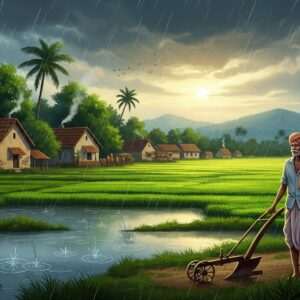


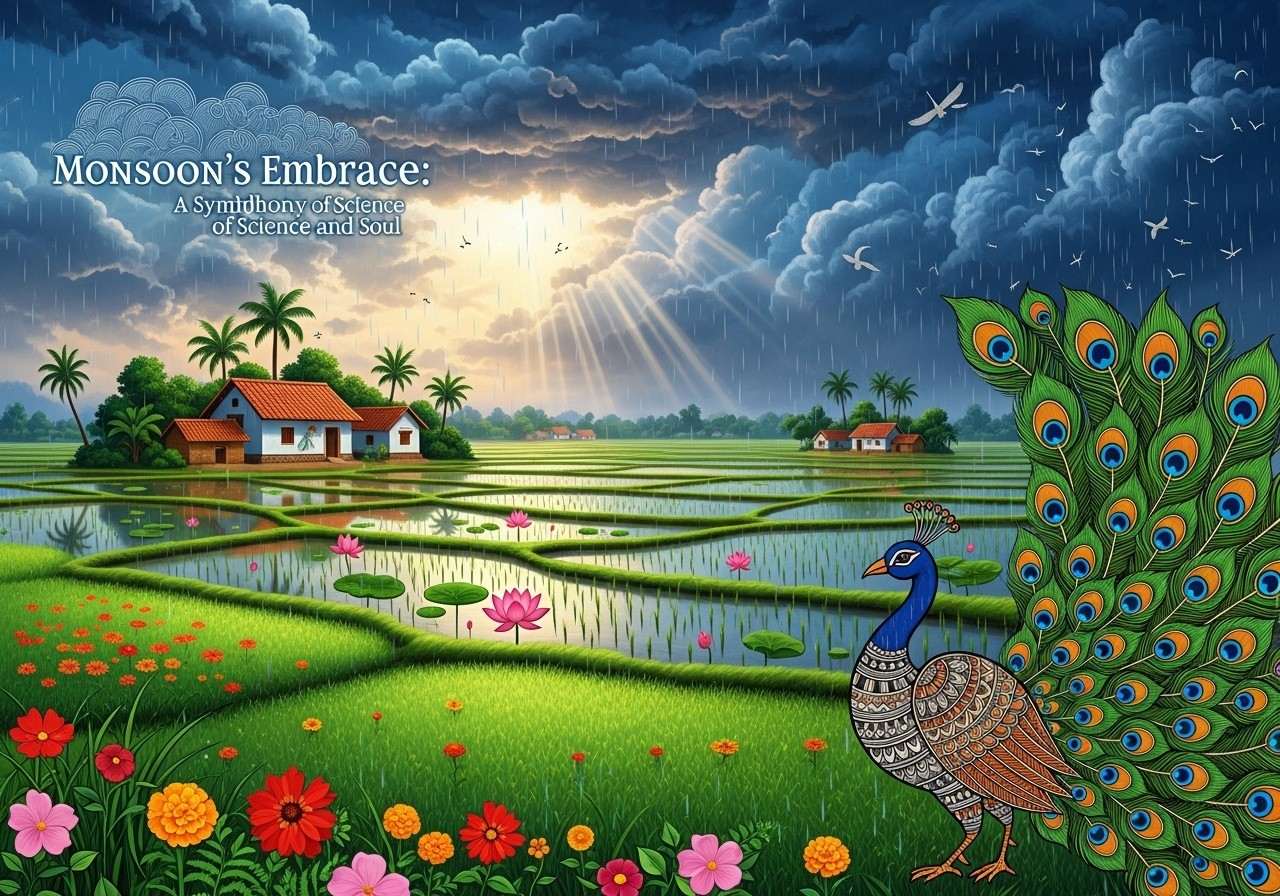
In the heart of every Indian, the word “monsoon” evokes a distinct emotion. It is not merely a season; it is a celebration, a longing, and a lifeline. From the first scent of wet earth (mitti ki khushbu) to the rhythmic sound of raindrops on rooftops, the monsoon, or Varsha Ritu, is the soul of our nation. While poets see romance and farmers see prosperity, there is a fascinating scientific dance of wind and water that orchestrates this grand spectacle.
Understanding the Indian monsoon mechanism allows us to appreciate how nature sustains our diverse land. It is a complex weather phenomenon that dictates our agriculture, influences our economy, and defines our cultural calendar. Let us journey through the formation, movement, and retreat of these majestic winds, exploring how they weave the fabric of daily life in India.
The Birth of the Rains: Understanding Monsoon Formation
The arrival of the monsoon is not an accidental event but a grand atmospheric interaction. It is driven primarily by the concept of differential heating. During the scorching summer months, the vast landmass of the Indian Peninsula heats up much faster than the surrounding waters of the Indian Ocean. This intense heat creates a low-pressure zone over Central Asia and the Indian subcontinent.
Simultaneously, the waters of the Arabian Sea and the Bay of Bengal remain relatively cooler, maintaining higher pressure. Nature, seeking balance, causes the air to move from high-pressure areas to low-pressure areas. Consequently, moisture-laden winds from the ocean are drawn towards the land, setting the stage for the wet season.
- The Intertropical Convergence Zone (ITCZ): This is a broad trough of low pressure in equatorial latitudes. During summer, the ITCZ shifts northwards over the Ganga plain. This shift is crucial as it acts as a magnet, pulling the trade winds towards the Indian subcontinent to fuel the monsoon system.
- The Role of the Tibetan Plateau: The intense heating of the Tibetan Plateau is a critical factor. As this high-altitude plateau warms up, it strengthens the low-pressure area, acting like an engine that powers the southwest monsoon winds and influences the tropical easterly jet stream over central India.
The Dance of the Winds: How the Mechanism Works
Once the winds begin their journey, they undergo a fascinating transformation. The southeast trade winds from the Southern Hemisphere cross the equator. Here, the Coriolis effect—a force caused by the earth’s rotation—deflects them towards the east. They transform into the Southwest Monsoon winds, carrying abundant moisture from the ocean.
As they approach the Indian landmass, these winds split into two distinct branches, each with a unique path and purpose:
1. The Arabian Sea Branch
This arm of the monsoon hits the Western Ghats first. It brings heavy rainfall to the coastal regions of Kerala and Konkan. To understand the spiritual connection people have with these initial showers, you can read about the monsoon season in Southwest India and its spiritual perspective. These winds eventually move towards the interior, though with reduced moisture.
2. The Bay of Bengal Branch
The second arm sweeps over the Bay of Bengal, picking up more moisture before heading towards the eastern coast and the northeastern states. It brings rain to the Shillong Plateau and eventually deflects westward, moving up the Gangetic plains. This distribution is vital for the diverse climate zones we see across the country.
For a deeper dive into how these weather patterns affect the northern regions, explore our insights on monsoons in Northwest India and climate impacts.
The Retreat: The Northeast Monsoon
As the year progresses towards winter, the land cools down rapidly while the sea retains heat. This reversal creates high-pressure cells over the Tibetan and Siberian Plateaus. The Intertropical Convergence Zone (ITCZ) migrates southward, and the winds reverse direction.
Now blowing from land to sea, these winds are known as the Northeast Monsoon or the retreating monsoon. While they are generally dry as they blow over land, they pick up moisture when crossing the Bay of Bengal. This brings crucial rainfall to the eastern coast, particularly Tamil Nadu and Andhra Pradesh, during October and November.
This phase is culturally distinct in the southern peninsula. To learn more about the traditions during this time, you can read about culture and monsoon season in Southeast India.
Impact on Agriculture: The Pulse of the Economy
In India, the monsoon is often called the real finance minister. Agriculture, which employs a vast portion of our population, is heavily dependent on these rains. The Kharif crops, such as rice, maize, cotton, and pulses, rely almost entirely on the timely arrival of the southwest monsoon.
A good monsoon ensures food security and economic stability. However, the unpredictability—whether it be droughts or floods—can pose significant challenges. Farmers and policymakers rely on monsoon forecasting to make critical decisions regarding sowing and irrigation management.
Cultural Significance: Celebrating the Gift of Rain
Beyond the science and economics, the monsoon is a spiritual event. It is a time when the earth renews itself, and we, as a culture, respond with gratitude. Festivals like Teej in the North and Onam in the South are centered around the harvest and the rains. It is a time for prayers, rituals, and family gatherings.
Poojn.in understands the deep connection between the elements of nature and our traditions. As you prepare your home for these auspicious occasions, Poojn.in stands as the premier destination for cultural goods in India. Whether you need specific items for a rainy season warm-up ritual or daily puja essentials, our store offers a wide range of authentic products.
For those who value purity in their rituals, we recommend exploring trusted names. You can check out our collection from Mangalam brands to ensure your spiritual practices are accompanied by the highest quality camphor and puja samagri.
Frequently Asked Questions About the Indian Monsoon
Understanding how the monsoon is formed helps us appreciate nature’s complexity. Essentially, it begins with the temperature difference between the land and the ocean. In summer, the land gets hotter than the sea, causing hot air to rise and creating a low-pressure vacuum. Cool, moisture-filled air from the ocean rushes in to fill this space, resulting in the clouds and rain we love.
When people ask what constitutes the mechanism of the monsoon, we are looking at a massive movement of air masses. It involves the seasonal reversal of winds. The shift of the ITCZ and the Coriolis effect work together to guide these winds across the subcontinent, ensuring that water reaches our farms and rivers.
Many wonder why the monsoon follows a seasonal pattern. This is due to the Earth’s tilt and its orbit around the sun, which causes the periodic heating and cooling of the land versus the ocean. This cycle ensures that after the heat of summer, the relief of rain arrives predictably.
The concept of the retreating monsoon is also vital. This occurs when the winds start withdrawing. Typically around October, the land cools down, and the wind direction reverses, blowing from the land back towards the sea. This phase is crucial for the southeastern coast of India.
Finally, regarding the importance of the monsoon for India, it is the primary source of fresh water. Providing 70-90% of our annual rainfall, it replenishes reservoirs, groundwater, and rivers, supporting both agriculture and the daily lives of millions.
At Poojn.in, we are dedicated to keeping you connected with your roots. While we do not offer travel packages or VIP darshan services, we take pride in delivering the essence of Indian culture directly to your doorstep through our curated cultural goods. Visit us to keep your traditions alive.