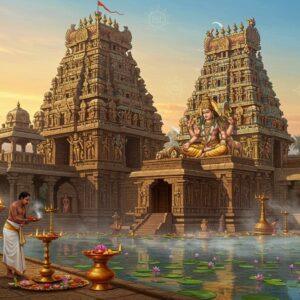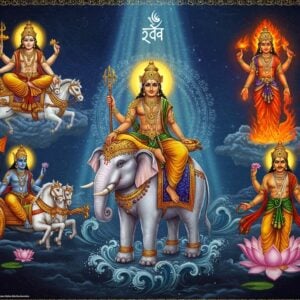

In the vast and vibrant tapestry of Indian spirituality, the Lord Brahma holds a unique and revered position. Known as the Creator of the Universe within the holy Trimurti, alongside Lord Vishnu and Lord Shiva, Brahma is the source of all knowledge and creation. While temples dedicated to Vishnu and Shiva are found in every corner of our country, shrines dedicated solely to Brahma are rare gems in our cultural landscape. Gaining an insightful understanding of Brahma temples allows us to appreciate the deep-rooted traditions that have sustained our faith for millennia.
For the modern Indian devotee who values tradition, visiting these sacred sites is not just a journey; it is a spiritual awakening. Whether you are planning a pilgrimage to the holy sands of Rajasthan or setting up a sacred space in your own home, understanding the Brahma Puja Vidhi and the significance of these rituals is essential. At Poojn.in, we are dedicated to bridging the gap between ancient customs and modern convenience, ensuring you have the right cultural tools to honor the Creator.
The Sanctity of the Pushkar Brahma Temple
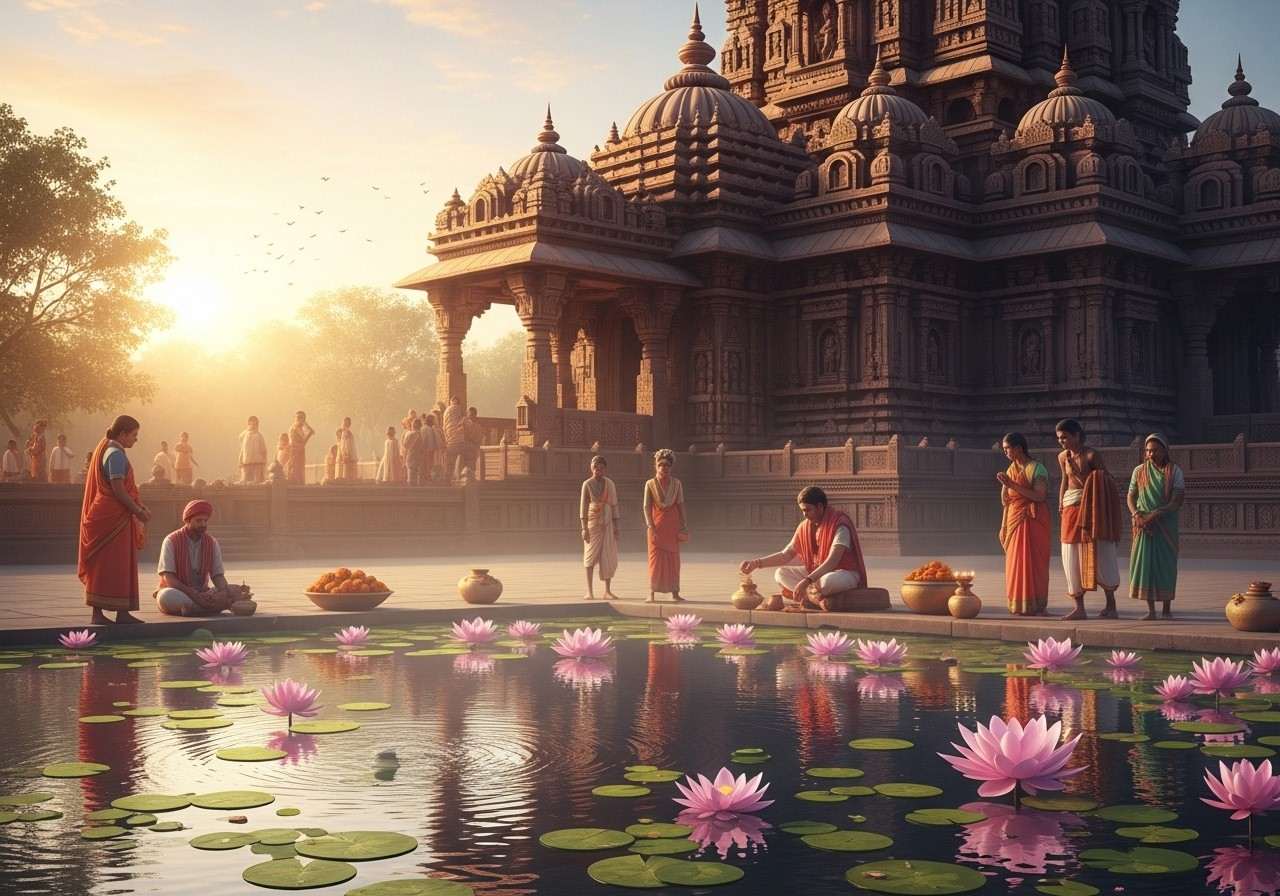
When we speak of Brahma worship, our hearts and minds instantly travel to the Brahma Temple in Pushkar, Rajasthan. It stands as one of the very few temples in the world dedicated entirely to Lord Brahma. This architectural marvel is not just a tourist destination; it is a throbbing heart of faith that attracts devotees, sadhus, and tourists from across the globe.
The spiritual vibration here is distinct. Unlike other temples, the rites here follow the strict lineage of the Parashargotra. It is believed that the priests here are the guardians of ancient secrets and rituals. The temple atmosphere, filled with the chanting of Vedic mantras, offers a sense of peace that is hard to find elsewhere. If you are looking to explore more about temple architectures and festivals, you might find our guide on the Brahmapureeswarar Temple equally enlightening.
Timings and Best Time to Visit
Planning your darshan effectively ensures a smooth and fulfilling experience. The temple generally opens its doors for Mangala Aarti well before sunrise and closes after the night prayers.
- Winter Schedule (November to February): The temple is open from 6:30 am to 8:30 pm. This season is widely considered the best time to visit because the weather is pleasant, making the barefoot walk into the temple comfortable.
- Summer Schedule (March to October): The gates open slightly earlier at 6:00 am and close at 9:00 pm. Please note that the temple remains closed in the afternoon, typically between 1:30 pm and 3:00 pm, to allow the deity to rest.
Worship and Rituals: Connecting with the Divine
The rituals associated with Lord Brahma are focused on purity, knowledge, and the elemental forces of nature. Worship here is not just about folding hands; it is an immersive experience involving the body, mind, and soul.
Daily Temple Practices
Devotees, holy men, and sages often begin their day with a ceremonial bath in the holy Pushkar Lake. It is said that the waters wash away the impurities of the material world, preparing the soul for darshan. A common and highly recommended practice is to pay respects to Goddess Gayatri, Brahma’s consort, after visiting the main temple. The day is punctuated by three major Aartis: the Mangala Aarti (morning), Sandhya Aarti (evening), and the Ratri Shayan Aarti (night). Attending the Sandhya Aarti as the sun sets over the desert is a mesmerizing experience.
Performing Brahma Puja at Home
For those who cannot travel to Pushkar, performing Brahma Puja at home is a beautiful way to invite positive energy. Cleanliness is paramount. One should take a purifying bath and wear clean clothes—preferably in shades of white, yellow, or red, which are dear to the Creator.
Step-by-Step Guidance:
- Preparation of the Altar: Spread a clean white or yellow cloth on your puja chowki. This color symbolizes the purity of knowledge (Sattva Guna). Place the image or idol of Lord Brahma with reverence.
- Kalash Sthapana: Setting up a Kalash is crucial. To make your ritual authentic, you can use traditional items like our Handcrafted Brass Mango Leaf Handle. This reusable and culturally designed item ensures your Kalash looks divine and ready for the invocation.
- Invocation and Offerings: Chant “Om Brahmane Namah” to invoke his presence. Perform Achamanam (sipping water) to purify yourself. Apply sandalwood paste and kumkum to the deity. Offer fresh fruits, sweets, and coconuts as Naivedya.
Major Festivals Celebrated at Brahma Temples
Festivals are when the dormant energy of the cosmos comes alive in these temples. The atmosphere becomes electric with devotion, music, and the collective prayers of thousands.
Kartik Poornima: This is arguably the most significant festival for Brahma worship. It falls on the full moon night of the lunar month of Kartik (usually October–November). In 2026, the famous Pushkar Fair is expected to be held in November, coinciding with this auspicious date. Thousands of pilgrims take a holy dip in the lake and participate in special rites. The cultural vibrancy of the camel fair adds a unique Rajasthani flavor to the spiritual proceedings.
Navratri and Other Occasions: The temple also observes a nine-night festival dedicated to Goddess Durga with great fervor. Furthermore, special rites are performed on all Poornimas (full moon) and Amavasyas (new moon). For a deeper dive into how other temples celebrate these occasions, you can read our detailed post on Shiva Temple Festivals and Rituals.
How Poojn.in Enhances Your Spiritual Journey
At Poojn.in, we understand that true devotion lies in the details. While we do not organize travel packages or offer VIP darshan services, we take immense pride in being the bridge that brings authentic Indian culture to your doorstep. We are India’s biggest cultural goods store, ensuring that no matter where you are, your rituals remain pure and traditional.
Authentic Ritual Items: Whether you need high-quality incense, pure camphor, or specific brassware for your Brahma Puja, our store has it all. We source products that resonate with the sanctity of your prayers.
Supporting Your Traditions: From the essential ingredients for Brahman Bhojan (feeding Brahmins) to the smallest item needed for your home altar, we ensure you don’t have to compromise on your values due to a lack of availability. Explore our collection today at poojn.in.
Common Questions About Brahma Worship
Understanding the Rarity of Brahma Temples
Many devotees often wonder why there are so few temples dedicated to the Creator. Legend has it that a curse by Lord Shiva limited Brahma’s worship on Earth. However, this rarity makes a visit to the Pushkar temple even more special and spiritually significant for those seeking blessings of creation and wisdom.
Appropriate Offerings for the Deity
When you visit a temple or worship at home, simplicity and devotion are key. Lord Brahma is fond of white and yellow flowers, symbolizing purity. Offering seasonal fruits, sweets, and performing the Brahma Gayatri Mantra chant are considered highly auspicious ways to please the deity.
Dress Code and Conduct
To maintain the sanctity of the place, it is highly advisable to wear traditional Indian attire. Men usually wear kurta-pajamas or dhotis, while women prefer sarees or salwar kameez. Avoiding Western clothing and ensuring you remove your footwear before entering the temple premises shows respect for the local culture and the deity.
Who Can Perform the Puja?
Inside the sanctum sanctorum of the Pushkar temple, only ascetics from the specific lineage are allowed to touch the idol and perform the main puja. However, devotees can perform rituals in the outer precincts and offer their prayers with a pure heart. At home, anyone with a clean mind and body can perform the puja.
Embrace the divine energy of the Creator. Whether you are lighting a lamp at home with items from poojn.in or taking a holy dip in Pushkar Lake, let your devotion be your guide. For more insights into temple festivals, do check our guide on Brahmapureeswarar Temple Festivals.