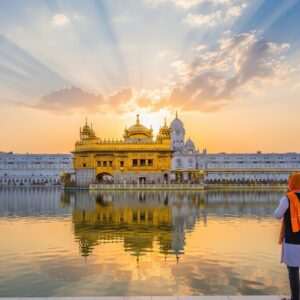


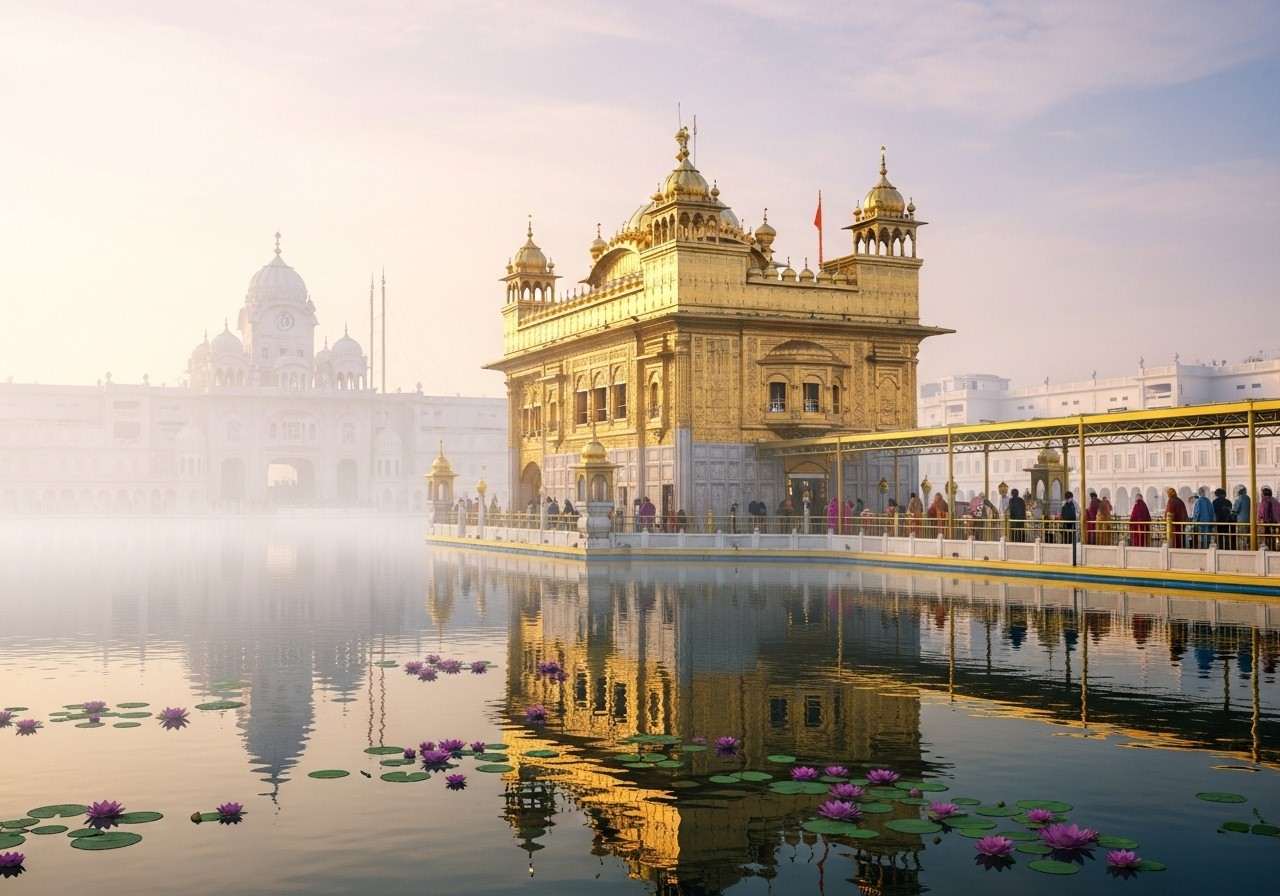
In the vibrant heart of Punjab, there exists a sanctuary that is more than just a structure of gold and marble; it is the spiritual heartbeat of millions. To step into the precincts of the Golden Temple, or Harmandir Sahib, is to leave the chaos of the world behind and enter a realm of profound peace. For us Indians, this is not merely a tourist destination; it is a pilgrimage that cleanses the soul. Whether you are seeking solace, history, or a deeper connection with the Divine, understanding the rich legacy of this holy site enhances the experience manifold.
The Sacred Roots: How it All Began
The story of this magnificent shrine is deeply interwoven with the lives of the Sikh Gurus. The initial vision for a central place of worship was conceived by Guru Amar Das Ji, the third Sikh Guru. It was his dream to create a unifying space for the community. To learn more about his legacy, you can explore the history of Goindwal Sahib and Guru Amar Das Ji’s contributions.
This vision was carried forward by Guru Ram Das Ji, the fourth Guru, who identified the sacred land in 1574. It is said that he established his dwelling, known as Guru da Chakk, right here. History tells us that the land was purchased for 700 rupees, though some oral traditions suggest it was a gracious gift from Emperor Akbar to the Guru’s wife. This location eventually gave birth to the city of Amritsar, named after the Amrit Sarovar—the pool of nectar excavated in 1577.
Architectural Marvel: Humility Set in Stone
The physical manifestation of the temple was the work of the fifth Guru, Guru Arjan Dev Ji. In a move that defied the architectural norms of the time, he designed the structure to be built at a level lower than the surrounding city. This was a deliberate and beautiful lesson in theology: to reach God, one must step down in humility.
- The Foundation of Unity: In a profound gesture of interfaith harmony, Guru Arjan Dev Ji invited Mian Mir, a revered Sufi Muslim saint from Lahore, to lay the foundation stone in December 1588. This act cemented the belief that the house of God belongs to everyone, transcending religious boundaries.
- Four Doors for Four Directions: Unlike traditional temples that often had a single entry, the Harmandir Sahib was constructed with four entrances. This signifies that the Guru’s door is open to people from all four corners of the world, regardless of caste, creed, gender, or social standing.
- Completion and the Adi Granth: By August 1604, the construction was completed. It was here that Guru Arjan Dev Ji installed the Adi Granth, the holy scripture of the Sikhs, and appointed the venerable Baba Budha Ji as the first Granthi, establishing the daily rhythm of prayer and devotion that continues to this day.
From Destruction to Golden Glory
The temple we see today is a testament to the resilience of the Sikh spirit. Throughout history, the site faced destruction multiple times at the hands of Afghan and Mughal invaders, only to be rebuilt with even greater fervor by the Sikh community. It stands as a symbol of Chardi Kala—eternal optimism and high spirits.
The iconic gold plating that gives the temple its popular name was added much later. In 1830, the “Lion of Punjab,” Maharaja Ranjit Singh, generously renovated the shrine using marble and copper, eventually covering the upper sanctum with gold foil. This transformation turned the brick-and-mortar structure into the glittering jewel that the world reveres today.
Resilience in Modern Times
The sanctity of the temple has withstood modern challenges as well. The events of June 1984, known as Operation Blue Star, left deep scars on the complex and the community when the Indian army entered the premises. Despite the damage sustained by the buildings, the spiritual core of the Harmandir Sahib remained unshaken. Today, the Akal Takht and the complex stand restored, continuing to inspire strength, unity, and devotion among Sikhs and visitors globally.
Bringing the Divine Presence Home
While visiting Amritsar is a life-changing experience, we at Poojn.in believe that spirituality should also reside within your home. Creating a small, sacred corner in your house helps maintain a connection with the divine energy of places like Harmandir Sahib.
To support your daily prayers and reading of scriptures, we offer a curated selection of religious texts. You can explore our collection of Holy Books and scriptures here, perfect for deepening your understanding of Gurbani at home. Additionally, our Pure Brass Golden Arch is an exquisite piece that can be used to beautify your home altar, reflecting the grandeur of traditional Indian temple architecture.
Please remember, Poojn.in is a dedicated store for cultural and spiritual goods. We do not organize travel packages, provide VIP darshan tickets, or offer guide services for the Golden Temple. We exist to help you bring the culture home through our authentic products.
Common Questions About the Divine Sanctum
Understanding the Name “Harmandir Sahib”
Many devotees often wonder why the Golden Temple is formally called Harmandir Sahib. The word literally translates to the “House of God” (Hari meaning God, Mandir meaning Temple). This name was chosen to emphasize its status as a divine abode where the praise of the Almighty is sung continuously. While the world calls it the Golden Temple due to its appearance, the true essence lies in the name Harmandir Sahib.
The Tradition of Langar
A defining feature of the complex is the community kitchen, or Langar. Following the principles of equality and service (Seva), this kitchen serves free, vegetarian meals to tens of thousands of visitors daily. It is a place where a king and a pauper sit side by side on the floor to eat, reinforcing the Sikh principle that everyone is equal in the eyes of the Creator.
Who Can Visit?
There is often curiosity about who is allowed inside. In line with the design of the four doors, the temple is open to absolutely everyone. Whether you are Sikh, Hindu, Muslim, Christian, or agnostic, the Darbar Sahib welcomes you. The only requirements are covering your head, removing your shoes, and maintaining the sanctity of the space.
A Timeless Beacon of Spirituality
The Golden Temple is not just a monument; it is a living, breathing phenomenon. It connects us to the lineage of the Gurus, from the founding days of Guru Ram Das Ji to the martial history of Guru Har Rai Ji and beyond. It reminds us of the values of service, humility, and equality.
For all your devotional needs, from sacred books to ritual items that honor these traditions, Poojn.in is your trusted companion. Visit our website to find authentic goods that celebrate our rich heritage.