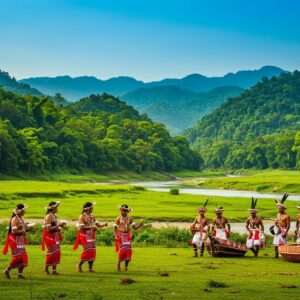

When we speak of Punjab, our minds instantly paint a picture of golden mustard fields, hearty smiles, and a zest for life that is unmatched. The folk dances of Punjab are not merely performances; they are the very heartbeat of the region. They reflect the lively culture, the changing seasons, and the deep-rooted values of the land. For us Indians, dance is a form of prayer and a way to bring the community together. From the energetic beats of the Dhol to the melodic tunes of the Algoza, these traditions capture the true essence of Punjab.
In this blog, we will take a journey through the history and significance of these art forms, exploring how they keep our rich heritage alive for the younger generation.
Bhangra: The Roar of the Harvest
Perhaps the most globally recognized symbol of Punjabi culture is Bhangra. Originating from the Sialkot region (now in Pakistan), this dance was traditionally a way for farmers to celebrate the arrival of the harvest season, particularly around Vaisakhi. It is a dance of pure joy, characterized by high-energy movements, shoulder shrugs, and the iconic “Balle Balle” spirit.
Men typically perform Bhangra dressed in vibrant turbans (Pagri), embroidered jackets, and lungis. Every beat of the dhol drum dictates the rhythm, representing the connection between the farmer and the soil. Today, Bhangra has evolved into a global sensation, performed at weddings and cultural events worldwide, yet its soul remains in the fields of Punjab.
Giddha: The Graceful Storyteller
If Bhangra is about vigour, Giddha is the epitome of grace and feminine expression. Considered the female counterpart to Bhangra, Giddha is a beautiful display of the elegance and wit of Punjabi women. Unlike other dances that rely heavily on instruments, the rhythm of Giddha is often set by the women themselves through rhythmic clapping and the singing of traditional folk songs known as boliyan.
Dressed in bright Salwar Kameez and adorned with traditional jewelry, women stand in a circle to share stories of domestic life, love, and social humor. It is a way for women to express their emotions and bond with one another, making it a staple at ladies’ sangeet ceremonies and festivals like Teeyan.
Exploring the Rich Tapestry of Regional Dances
Beyond the popular Bhangra and Giddha, the soil of Punjab has given birth to several other mesmerizing dance forms, each with its own unique flavor and history:
- Jhumar: Originating from the Sandalbar region, this is a slower, more rhythmic dance performed by men. It is often described as a “dance of ecstasy” where the movements are soft and flowing, accompanied by the soulful tunes of the Chimta and dances in a circle around the drummer.
- Sammi: This is a traditional dance performed by the women of the tribal communities in the Sandalbar area. It is known for its intricate footwork and emotional depth, often depicting tales of separation and longing, showcasing the resilience and strength of Punjabi women.
- Luddi: A dance of victory and celebration, Luddi is primarily performed by men. It involves distinctive clicking of fingers, energetic jumps, and snake-like movements of the head, often seen at weddings when the groom’s family celebrates his arrival.
- Malwai Giddha: Hailing from the Malwa region, this unique form was traditionally performed by bachelors. It combines dance with martial arts, often using props like sticks and swords, adding a dramatic and masculine flair to the festivities.
- Kikli: A nostalgic dance for many, Kikli is performed by young girls who hold hands crosswise and spin in pairs. It symbolizes the innocence of childhood, joy, and the strong bonds of friendship shared among young women.
Bring Authenticity to Your Celebrations with Poojn.in
Whether you are preparing for a wedding, a harvest festival like Lohri, or simply a family puja, the right atmosphere makes all the difference. Poojn.in stands as India’s premier destination for cultural and ritual needs. As the country’s biggest Dashakarma bhandar, we understand the importance of purity and tradition.
Our store offers a curated collection of authentic ritual items to enhance your festivities:
- Decorative Diyas: Light up your home and heart with our handcrafted diyas that add a warm, traditional glow to any event.
- Premium Incense Sticks: Create a divine and soothing aura with our aromatic incense, perfect for setting a spiritual mood.
- Brass Utensils: Serve your festive bhog or langar in our elegant brassware, bringing the authentic feel of a Punjabi household to your table.
Why trust Poojn.in? We prioritize authenticity and convenience, delivering the heart of Indian culture right to your doorstep. For orders or inquiries, please contact us at 03369029784 or message us on WhatsApp at 9476142738.
The Role of Folk Arts in Preserving Culture
These dances are more than just physical movements; they are a vital part of Punjabi folk art. They serve as a vessel for passing down history, social values, and mythology from one generation to the next. In an era where modernization is rapid, participating in dances like Bhangra or Luddi helps the youth stay connected to their roots. Instruments like the Tumbi, Algoza, and Dhol are not just musical tools but sacred symbols of our heritage.
Common Questions About Punjabi Folk Traditions
For those looking to understand these traditions better, there are often a few curiosities that come to mind. One of the most common inquiries is regarding the difference between Bhangra and Giddha. Essentially, while Bhangra is high-octane and traditionally masculine, associated with the harvest, Giddha is graceful, focused on storytelling through Boliyan, and performed by women.
Another frequent topic of interest is the attire worn during these performances. You will almost always see dancers in bright, vibrant colors—men in Kurtas and Tehmats (lungis) with stiffly starched turbans, and women in heavy, embroidered Salwar Kameez with shimmering jewelry. This clothing is not just a costume; it is a celebration of the “rangla” (colorful) spirit of Punjab.
Finally, many people ask about the significance of the Dhol in these dances. In Punjabi culture, the Dhol is considered the king of instruments. Its deep, resonating bass is believed to drive away lethargy and invite positive energy, which is why no Punjabi celebration—be it a wedding or a festival—is ever complete without its beat.
Celebrating Unity and Joy
Ultimately, the folk dances of Punjab are a cultural extravaganza that champions unity. They remind us that despite our busy lives, there is always time to celebrate, to laugh, and to be with our loved ones. Whether it is the athletic vigour of Luddi or the playful spins of Kikli, these traditions keep the community spirit alive.
At Poojn.in, we respect these deep traditions. We invite you to keep the flame of your culture burning bright, celebrating every festival with the same enthusiasm and authenticity as our ancestors did.