
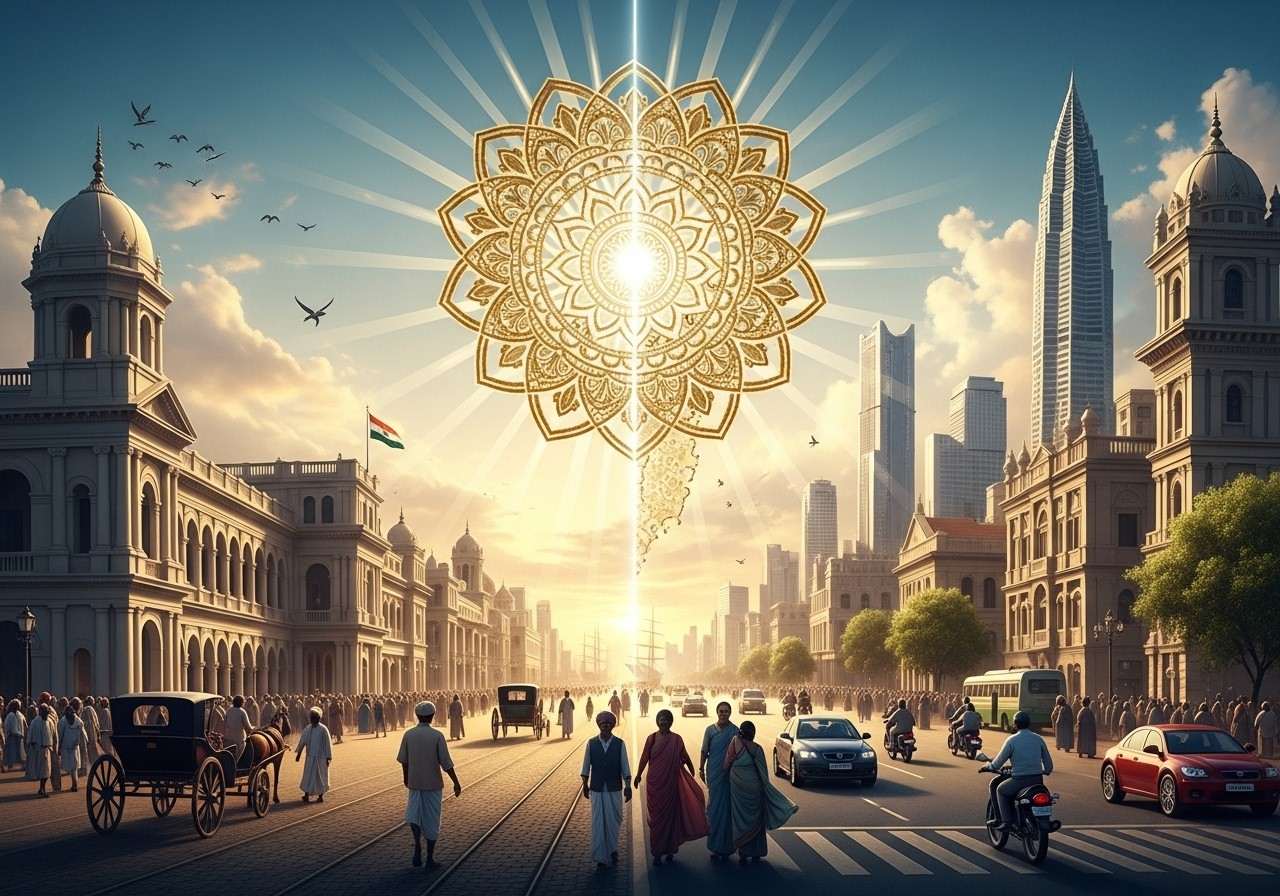
The historical evolution of our beloved southern state is a deeply emotional tale that resonates with every household. This profound transformation from its colonial name to its true cultural identity was not just a mere administrative shift, but a heartfelt reclamation of our ancient roots. It beautifully reinforced the regional pride and heritage of the Tamil-speaking community. To truly appreciate our vibrant culture today, we must take a step back and honor the sacrifices and the powerful historical shift that brought us here.
The Roots During the Colonial Administration
During the era of British rule, a massive part of southern India was governed as a single, large administrative unit. Established in the early 19th century, this colonial division encompassed regions that now beautifully form parts of our modern southern states, including Andhra Pradesh and Karnataka. The British introduced railways and various educational reforms, significantly altering local governance and everyday life. However, despite these modernizations, the soul of the region always yearned for its indigenous identity to be recognized.
The Passionate Push for Linguistic and Cultural Pride
By the mid-20th century, a powerful wave of regional consciousness swept through the Tamil-speaking population. Our people felt a deep yearning to shed the colonial label and embrace a name that truly reflected our glorious culture. The Dravidian movement played a crucial role in advocating for this profound linguistic pride, bringing people together from all walks of life.
This transformative period was marked by several pivotal moments that showcased the unwavering spirit of our people:
- During the sweeping changes brought about by the 1956 States Reorganisation Act, boundaries across the nation were thoughtfully redrawn based on linguistic lines to better serve local populations. This crucial restructuring led to the formation of Andhra Pradesh for Telugu speakers, yet the outdated colonial name was temporarily retained for the culturally rich Tamil-speaking areas, sparking widespread dissatisfaction.
- The movement reached an incredibly emotional climax when Thiyagi Sankaralingam, a deeply committed Congress party worker and true Gandhian, began an indefinite hunger strike demanding a name that honored our heritage. He bravely fasted for 76 days until his tragic passing, a profound sacrifice that galvanized the masses and intensified the community’s demand for proper cultural representation.
- This immense public sentiment and sacrifice eventually led to a powerful, unanimous resolution in the State Assembly spearheaded by the visionary Chief Minister C.N. Annadurai. He passionately quoted from ancient, revered literature to prove beyond a doubt that our unique identity had existed for centuries, thereby laying the undeniable groundwork for the official recognition of our state’s true name.
The Historic Dawn of a New Era
The long-awaited dream finally came true on an incredibly auspicious day. The state was officially rechristened on January 14, 1969, a date that beautifully coincided with the sacred harvest festival of Pongal. Chief Minister C.N. Annadurai’s pivotal leadership ensured that our linguistic and cultural identity was formally recognized by the central government, forever replacing the colonial designation. This day brought boundless joy and a renewed sense of belonging to millions of homes, marking one of the most defining moments in our rich history.
The Lasting Legacy and Cultural Renaissance
The reclamation of our state’s name sparked a beautiful renaissance in regional pride that is deeply felt even today. Policies that passionately supported local language, ancient literature, and traditional arts began to flourish like never before, nurturing the roots of our society. Our state quickly gained widespread recognition as a vibrant cultural hub, drawing admirers and pilgrims from all over the world. Alongside this cultural blooming, significant economic and infrastructural development followed, creating a robust state that proudly balances modern progress with deep-rooted traditions.
Celebrating Our Rich Heritage Everyday
For the wonderful people of our state, this historic rechristening holds immeasurable cultural importance. It breathed new life into our age-old customs, making our vibrant festivals, exquisite arts, and traditional crafts more prominent than ever. The careful preservation of ancient scripts, majestic temples, and monumental architecture became a collective priority. Furthermore, the flourishing of local cinema and soulful classical music has only deepened our modern sense of pride, allowing us to carry the legacy of our ancestors with immense dignity.
Honoring Tradition with Poojn.in
In a rapidly changing world, holding onto our sacred traditions and everyday rituals is more important than ever to keep our spirits grounded. Poojn stands deeply committed to preserving and promoting the rich cultural heritage of India, helping families maintain their spiritual connections. Just as our state beautifully transitioned while keeping its soul intact, countless families continue to uphold the sacred pujas and practices that define our beautiful identity.
We kindly invite you to explore our thoughtfully curated selection of authentic spiritual items, perfect for your everyday prayers and grand festive celebrations. We exclusively offer traditional cultural goods through our online store, ensuring that you receive the highest quality authentic puja samagri directly to your doorstep. To bring these sacred items into your home and celebrate your heritage with genuine reverence, please visit https://www.poojn.in. For any guidance regarding our online cultural products, you can always reach out to us warmly at 03369029784 or simply drop us a message via WhatsApp at 9476142738. We are always here to assist you in your spiritual journey.
Embracing Our Roots While Moving Forward
Ultimately, the beautiful journey of reclaiming our true regional name is so much more than a historical footnote; it is a grand celebration of our enduring cultural pride. This inspiring story reminds us of the incredible resilience and unity of our people, who deeply cherish their heritage while optimistically embracing the future. By understanding these powerful historical roots, we cultivate a deeper appreciation for our unique traditions. As we honor the profound legacy left by our visionary leaders, we continue to thrive, ensuring that our vibrant spirit inspires generations to come.
Understanding Our State’s Historical Evolution
Reflecting on the official date of our state’s renaming, it is a momentous event etched in the hearts of many. The colonial title was officially replaced on January 14, 1969, an auspicious milestone that harmoniously aligned with the joyous Pongal festival.
The profound reason behind this historic change was deeply rooted in the desire to accurately reflect the rich linguistic and cultural identity of our people. The original colonial designation simply did not capture the vibrant soul and ancient heritage of the Tamil-speaking population.
The meaning behind our state’s beautiful name is incredibly significant and poetic. It literally translates to “The Land of Tamils,” which serves as a constant, proud reminder of the region’s ancient lineage, timeless literature, and unmatched cultural wealth.
Regarding the state’s status during colonial times, it was indeed a massive administrative division under British rule. This vast territory encompassed several regions of southern India before being thoughtfully reorganized based on linguistic boundaries after our independence.
The visionary leader who championed this monumental shift was our beloved then Chief Minister C.N. Annadurai. His passionate advocacy in the legislative assembly and deep respect for ancient Tamil literature played a crucial role in making this dream a reality for the masses.
The heartfelt reaction of the local people to this historic rechristening was overwhelmingly joyful and emotional. Families across the state rejoiced, as the new identity deeply resonated with their inherent cultural pride and respectfully honored the supreme sacrifices of activists who fought for it.
The beautiful transformations that blossomed after this transition were visible across all aspects of local life. The government and the community placed a renewed, passionate focus on uplifting local literature, indigenous arts, and sacred traditions in both administrative policies and everyday cultural arenas.
The lasting influence of this historical journey today is beautifully evident in our robust cultural independence and thriving local traditions. The legacy of those early struggles continues to inspire our people to fiercely protect and proudly celebrate our unique identity in the modern world.