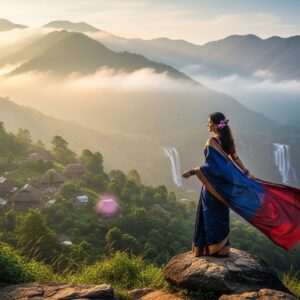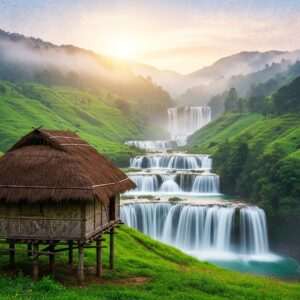



Nestled majestically within the verdant embrace of Northeast India, the rolling mountains of the Meghalaya plateau hold secrets of unparalleled natural splendor and spiritual depth. For generations, these pristine highlands have stood as a testament to nature’s boundless grace and the resilient spirit of the indigenous communities that call them home. This enchanting region seamlessly weaves together ecological marvels and deeply rooted cultural traditions, making it a profound source of inspiration for those who cherish Mother Nature and our rich Indian heritage.
The Breathtaking Topography of the Northeast Highlands
The majestic Shillong Plateau is renowned for its undulating terrain and deeply carved valleys, forming a crucial part of the Garo-Khasi-Jaintia mountain range. Let us explore the fascinating geographical tapestry of this divine landscape:
- A Network of Life-Giving Rivers: The lush, hilly terrain is gently nurtured by the life-sustaining tributaries of the Brahmaputra and Surma rivers. These pristine waters weave through the deep mountain gorges, generously nourishing the dense subtropical vegetation and sustaining the vibrant local ecosystems.
- Soaring Elevations and Grand Summits: The highland summits proudly reach elevations ranging from 4,000 to 6,000 feet, offering panoramic views that deeply touch the soul. The crowning glory is Lum Shyllong, standing tall at an impressive 1,968 meters (6,457 feet), guarding the mist-covered valleys below like an ancient sentinel.
- The Abode of Clouds and Abundant Rains: Endowed with some of the heaviest rainfall on Earth, this region features internationally renowned wet spots like Cherrapunji and Mawsynram. The southern slopes receive extraordinary monsoon showers, draping the landscape in an eternal, vibrant canopy of green.
- The Scotland of the East: Renowned for its ethereal beauty, rolling meadows, and perennially pleasant climate, this region earned the affectionate title of the “Scotland of the East.” The refreshing mountain air, combined with the mist-kissed hills, creates an atmosphere of profound peace and tranquility.
A Botanical Paradise: The Exquisite Flora of Meghalaya
Mother Earth has generously blessed these highlands with an astonishing variety of plant life. The incredible biodiversity found here is not just a scientific marvel but a living library of traditional medicinal knowledge passed down lovingly through generations.
- Majestic Temperate and Pine Forests: As you ascend into the higher, rain-drenched elevations, you are greeted by magnificent temperate forests featuring robust species like Lithocarpus fenestratus and Quercus griffithii. The upper reaches are beautifully adorned with aromatic pine forests, predominantly showcasing the graceful and sturdy Pinus kesiya.
- Ancient Healing and Medicinal Wisdom: The local tribal communities have long been the respectful custodians of a unique array of wild medicinal herbs and plants. This profound traditional knowledge, deeply intertwined with everyday spiritual healing, has been handed down from the elders to the youth over centuries.
- The Legendary Pitcher Plant: These hills are famously home to Nepenthes khasiana, India’s only native pitcher plant, which is strictly endemic to the Meghalaya state. Woven deeply into local tribal folklore, this carnivorous marvel—often affectionately termed “demon-flower” in native dialects—is widely revered and continuously studied for its potent medicinal potential.
Sacred Groves: Where Nature and Spirituality Unite
In many parts of India, our timeless connection to the divine is expressed perfectly through our reverence for nature. In the eastern highlands, this devotion manifests beautifully in the form of Sacred Groves, known locally as Law Kyntang or Law Lyngdoh. These protected forest patches serve as serene sanctuaries for ancestral spirits and revered local deities. Guarded fiercely by the community, they remain completely untouched by commercial exploitation, serving as living proof of how indigenous faith actively preserves and celebrates biodiversity.
Connecting Cultural Heritage with Everyday Devotion
The indigenous communities residing in the eastern districts of this plateau celebrate a deeply matrilineal society, where ancestral lineage beautifully honors the wisdom and grace of women. Vibrant traditional festivals, such as the Nongkrem Dance and Shad Suk Mynsiem, vividly highlight the region’s cultural heritage. These communities also practice harmonious, sustainable agriculture, cultivating natural resources like betel leaves and broom grass with immense respect for the earth’s provisions.
At poojn.in, we deeply resonate with this profound reverence for nature and spiritual tradition. As India’s premier online destination for cultural goods, we strive to bring the purity of such pristine natural environments directly into your daily spiritual practices. Our carefully curated selection of authentic herbal products, pure essential oils, and aromatic natural incense sticks reflects the calming essence of India’s richest botanical havens.
We firmly believe that performing your daily rituals should be a seamless, soul-nourishing experience without the hassle of stepping out. That is exactly why we offer meticulously assembled pooja kits, containing high-quality, sustainably sourced items that help you maintain the absolute authenticity of your worship. Explore our extensive online collection at poojn.in and experience the unparalleled convenience of having authentic cultural goods delivered right to your doorstep. Should you need any warm guidance in selecting the perfect items for your sacred space, we invite you to contact us at 03369029784 or reach out via WhatsApp at 9476142738.
Safeguarding Our Ecological and Cultural Treasures
While the beauty of the Meghalaya highlands feels timeless, the region faces modern challenges such as climate change and unwanted deforestation. However, the resilient spirit of the local inhabitants shines through their active promotion of sustainable eco-tourism and the strict, prayerful protection of their sacred forests. Heartwarming collaborative initiatives involving grassroots organizations, the government, and deeply committed villagers are working tirelessly to ensure that these ecological treasures remain fully intact.
By appreciating and supporting these sustainable, tradition-honoring practices, we all actively contribute to a legacy that will inspire countless generations to come. The pristine streams, dense forests, and vibrant cultural tapestry of the Northeast gently remind us that true prosperity always lies in living in perfect harmony with Mother Nature.
Frequently Asked Questions About the Meghalaya Highlands
What characterizes the unique geography of this region?
The terrain is beautifully defined by its dramatic rolling hills, plunging river valleys, and expansive high plateaus. Situated within the larger Meghalaya Plateau, the area is world-renowned for its incredibly lush green vegetation and record-breaking annual rainfall, creating a deeply nourishing environment for all life forms to thrive.
What makes these northeastern hills so exceptional?
The true magic of this region lies in its rare, harmonious blend of rich cultural heritage and breathtaking ecological diversity. From awe-inspiring ancient limestone caves and towering waterfalls to deeply revered sacred groves, the landscape is a living sanctuary of natural wonders and immense spiritual significance.
Which extraordinary plant species flourish in these misty highlands?
The rain-swept slopes are a secure haven for numerous endemic plants, vibrant wild orchids, and ancient ferns. Among its most famous botanical treasures is the endemic pitcher plant, Nepenthes khasiana, a fascinating carnivorous species that is a source of immense pride and captivating local folklore.
Why is the native pitcher plant so highly regarded among locals?
Nepenthes khasiana is a spectacular carnivorous plant that cleverly traps insects within its distinctive pitcher-shaped leaves. Beyond its unique feeding mechanism, it plays a vital role in the region’s intricate biodiversity and is held in extremely high esteem for its traditional, age-old medicinal applications.
How do the local climate and geology influence the native vegetation?
The perfect combination of rich sedimentary rock formations, particularly natural limestone, and heavy monsoon showers results in incredibly fertile soils. These ideal geographical conditions gracefully give rise to diverse habitats that support everything from dense subtropical pines to thick, evergreen medicinal forests.
Are there ongoing efforts to conserve this precious natural heritage?
Absolutely. The profound traditional values and spiritual beliefs of the indigenous tribes play a pivotal role in active conservation. Through the strict safeguarding of sacred groves and the steady promotion of sustainable community practices, locals continue to protect their rich flora and fauna with unwavering, heartfelt dedication.