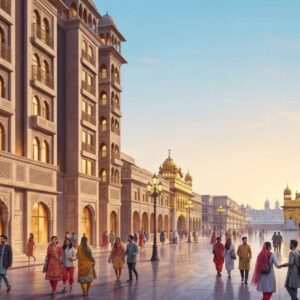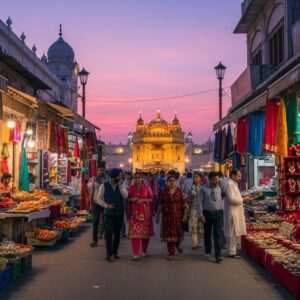


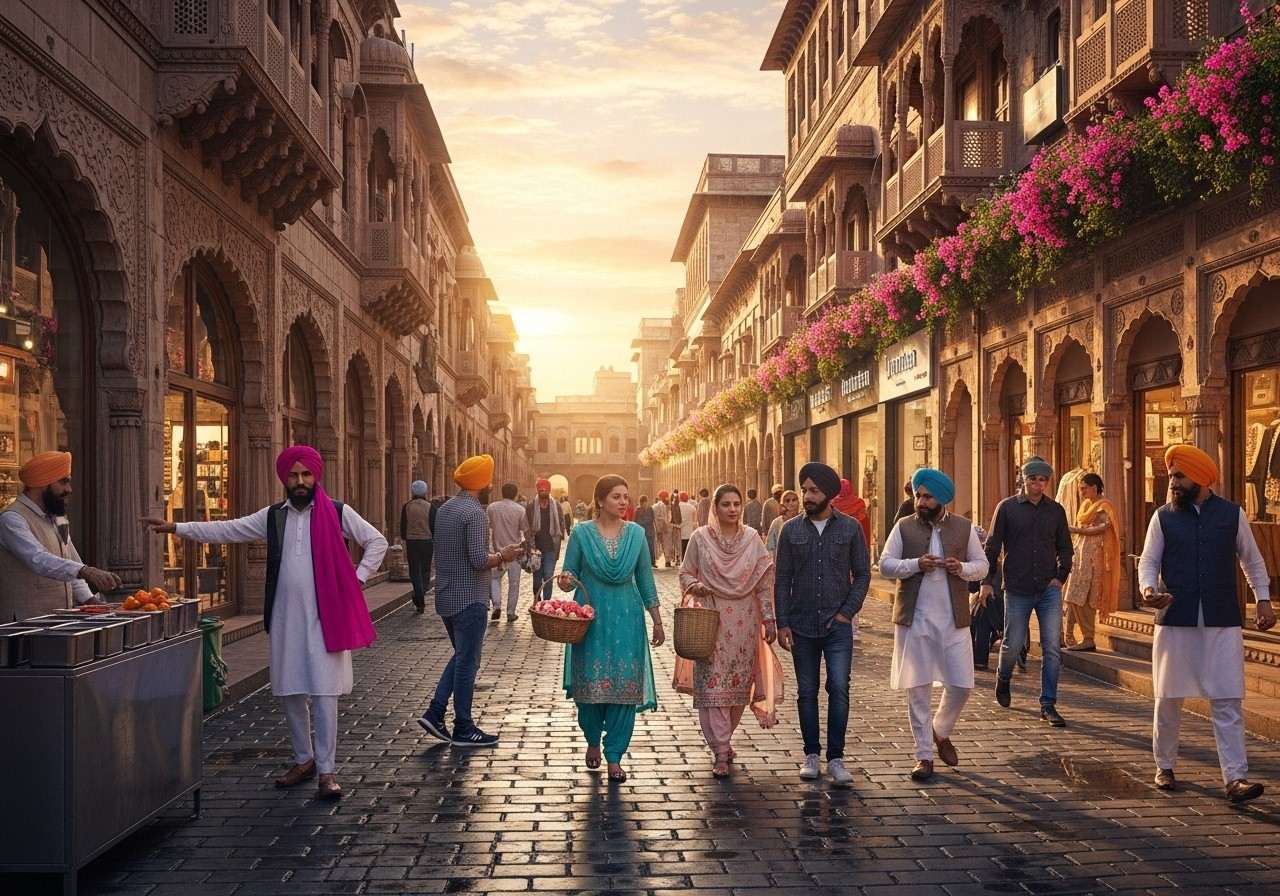
There is a unique kind of peace that washes over you when you set foot in the holy city of Amritsar. The air itself seems to carry the gentle hum of devotion, drawing millions of seekers and wanderers to its spiritual heartbeat. At the very center of this soulful experience is the beautifully revitalized pathway leading up to the revered Golden Temple. This 1.1-kilometer stretch, seamlessly connecting the historic Town Hall to Darbar Sahib, is far more than just a road. It is a vibrant cultural corridor where the glorious history of Punjab warmly shakes hands with modern convenience.
For those of us who hold our traditions close to our hearts, walking down this captivating pedestrian avenue feels like a nostalgic embrace. The carefully crafted surroundings effortlessly transport you back to the golden era of Maharaja Ranjit Singh, creating an immersive experience that resonates deeply with our shared Indian heritage.
The Historical Rebirth of a Sacred Pathway
Understanding the roots of this iconic walkway adds profound meaning to your journey. Officially inaugurated on October 26, 2016, by the then Chief Minister of Punjab, Parkash Singh Badal, this ambitious redevelopment project completely transformed the urban landscape of downtown Amritsar. The vision was grand yet deeply respectful of the city’s spiritual sanctity. Drawing inspiration from the open, pedestrian-friendly monuments of majestic European cities like Rome, Venice, and Florence, the local authorities successfully recreated an environment that celebrates public cultural spaces.
Today, as you stroll along the neatly tiled floors, you are walking on a path that treats history with the utmost reverence. This transformation perfectly balances the bustling energy of commercial life with the serene need for heritage conservation, making it a stellar model for sustainable urban development in India.
Architectural Marvels: Stepping Back 400 Years
One of the most striking features of this renowned cultural street is its breathtaking architectural harmony. The meticulous refurbishment of over 20 building facades has successfully recreated the vintage aesthetic of a 400-year-old Punjab. As you gaze upward, your eyes are met with stunning Rajputana and Mughal architectural elements, including majestic domes and beautifully crafted Jharokhas (traditional overhanging enclosed balconies).
What truly ties the visual experience together are the uniform pinkish facades and homogeneous signboards displayed across all the shops. This thoughtful design choice removes visual clutter, allowing the mind to focus entirely on the spiritual and cultural beauty of the surroundings. It is a visual treat that beautifully honours the legacy of our ancestors.
A Peaceful, Pedestrian-First Experience
In a country where bustling bazaars are often synonymous with chaotic traffic, this heritage stretch offers a breath of fresh, peaceful air. Designated strictly as a pedestrian-only zone, it guarantees a safe, uninterrupted, and profoundly relaxing stroll for families, the elderly, and solo travellers alike.
The pathway is lovingly dotted with elegant decorative lampposts, comfortable seating benches, and perfectly manicured green shrubs. However, the most soul-stirring feature is undoubtedly the large LED screen broadcasting live Gurubani Kirtan directly from the Golden Temple. The divine melodies float through the air, elevating your walk from a mere sightseeing tour to a deeply spiritual journey before you even reach the sacred sarovar.
Must-Visit Monuments and Landmarks
As you wander along this 1.1-kilometer cultural walkway, every few steps reveal a new chapter of India’s rich history. Be sure to pause and reflect at these significant landmarks:
- The Partition Museum: Housed within the majestic old Town Hall building right at the beginning of the street, this museum is a poignant tribute to one of the most defining moments in modern Indian history. It offers visitors a deeply emotional and educational look into the lives affected by the 1947 partition, ensuring we never forget the resilience of our ancestors.
- The Smriti Memorial: This striking marble sculpture stands as a powerful testament to the innocent lives lost during the tragic 1919 Jallianwala Bagh massacre. Pausing here for a moment of silence brings a rush of patriotic reverence, reminding us of the heavy price paid for our nation’s freedom.
- Statues of Great Leaders: Prominently placed along the pathway are beautifully crafted statues of Maharaja Ranjit Singh and Dr. B.R. Ambedkar. These magnificent tributes not only celebrate the martial and regal glory of the Sikh Empire but also honor the architectural mind behind the Constitution of our great democracy.
Savouring the Flavours and Handicrafts of Punjab
No visit to this vibrant state is complete without indulging in its world-famous hospitality and culinary delights. The shops lining this majestic corridor offer an absolute feast for the senses. You can easily spend hours exploring traditional bazaars filled with exquisite Phulkari textiles, authentic Punjabi juttis, and beautifully crafted local souvenirs.
When the walking builds up your appetite, the local eateries are ready to serve you the very best of Amritsari cuisine. From the perfectly crisp, butter-laden Amritsari kulchas to the tall, refreshing glasses of creamy lassi, every bite is a celebration of authentic Indian flavours. The lively atmosphere, often accompanied by local street musicians, ensures that your shopping and dining experience is nothing short of magical.
Bring the Sanctity of Tradition to Your Home with Poojn.in
Just as this beautifully restored street in Amritsar preserves the essence of our rich cultural history, we at Poojn understand the deep yearning to keep our sacred traditions alive within our own homes. When exploring the spiritual heart of Amritsar, you might find yourself profoundly inspired by the devotion, the rituals, and the timeless heritage that surrounds you.
We know that maintaining the purity of daily worship is incredibly important to you. That is why Poojn.in proudly serves as India’s biggest cultural goods and services store, offering a wide, meticulously curated range of authentic ritual items to elevate your spiritual practices. Whether you are searching for beautifully crafted puja thalis that remind you of temple ceremonies, pure and fragrant incense sticks, or elegant traditional lamps (diyas) to light up your sacred space, our online store has exactly what you need.
Please note that while we celebrate spiritual journeys, we do not provide travel packages or VIP darshan services; our sole dedication is to bringing the finest cultural goods directly to your doorstep. Experience the ultimate convenience of online shopping without ever having to compromise on the authenticity and sanctity of your rituals.
For more information, or to seek guidance on choosing the right items for your daily puja, please feel free to reach out to our dedicated team. You can call us at 03369029784 or simply send a WhatsApp message to 9476142738. Step into our digital courtyard by visiting Poojn.in today, and let us help you bring a cherished piece of Indian heritage right into your home.
Frequently Asked Questions About The Historical Walkway
What makes the historic pedestrian street in downtown Amritsar so special?
This beautifully revitalized area serves as a vibrant cultural and historical corridor, seamlessly connecting the Town Hall to the Golden Temple. It offers visitors a profoundly peaceful, traffic-free environment where they can safely soak in the architectural glory and rich spiritual traditions of Punjab.
Why is exploring this cultural hub highly recommended for travellers?
Visitors are instantly drawn to the unique blend of 400-year-old architectural charm, soulful spiritual ambiance, and mouth-watering local cuisine. Walking down this path allows you to emotionally connect with history while enjoying modern, well-maintained public amenities.
What is the most convenient way to reach this renowned pathway?
Given its central location in the heart of the city, reaching the starting point near the old Town Hall is incredibly easy. Visitors can comfortably take local taxis, auto-rickshaws, or standard public transportation to the drop-off points, after which the entire 1.1-kilometer stretch is meant to be enjoyed strictly on foot.
What are the primary landmarks to look out for during the walk?
The route is dotted with highly significant historical touchpoints that demand your attention. You will encounter the deeply moving Partition Museum, the solemn Smriti Memorial honoring the Jallianwala Bagh martyrs, and grand statues of revered figures like Maharaja Ranjit Singh and Dr. B.R. Ambedkar.
Does the avenue offer good opportunities for traditional shopping?
Absolutely, the entire stretch is a paradise for anyone looking to take home a piece of Punjabi culture. The uniformly designed shops house an incredible variety of traditional goods, ranging from intricate handicrafts and souvenirs to authentic ethnic attire like Phulkari dupattas.
Are there authentic food options available along the route?
Food lovers will find themselves surrounded by the irresistible aromas of traditional Punjabi street food. The organized eateries and stalls along the way serve up legendary local delicacies, ensuring you can easily find the perfect plate of chole bhature or a refreshing, thick lassi whenever you desire.
When is the ideal time of day to experience the magic of this corridor?
While the street is open and welcoming throughout the day, visiting during the early morning or late evening provides a truly magical experience. The cooler weather, coupled with the glow of the elegant lampposts and the live Gurubani Kirtan echoing through the air, creates an unforgettable, serene atmosphere.
How does this urban development protect and celebrate local culture?
By consciously choosing to replicate the magnificent Rajputana and Mughal architectural styles of the past, the redevelopment respects the city’s roots. It successfully transforms a regular pathway into an open-air museum, ensuring that the legacy, devotion, and pride of the region are effortlessly passed down to the younger generations and visiting tourists alike.