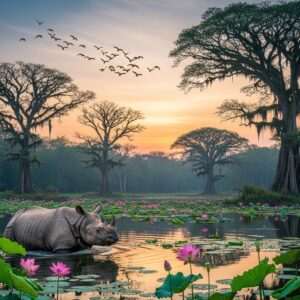


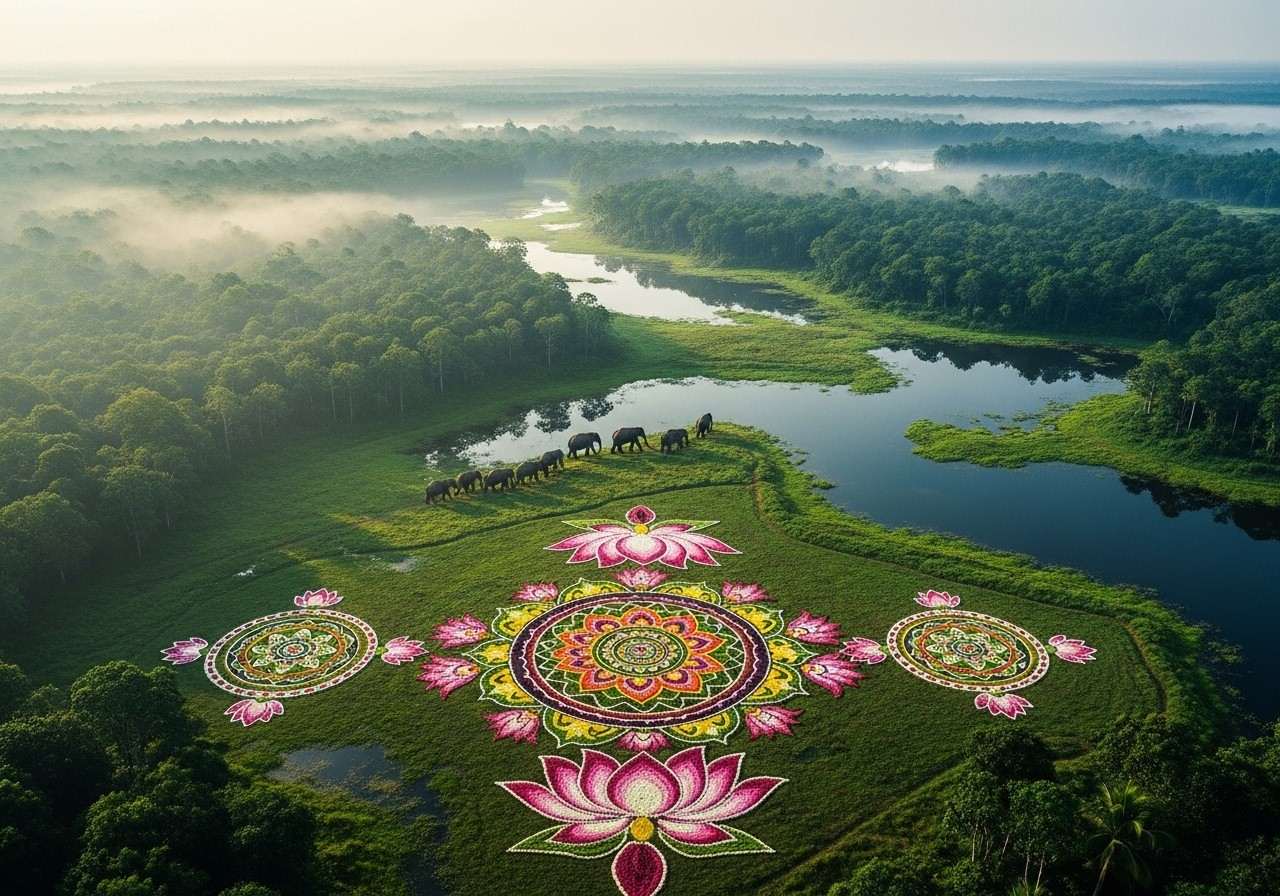
In the lush, vibrant heart of Assam lies a natural sanctuary that stands as a profound testament to India’s dedication to protecting Mother Earth. The remarkable transformation of Dibru-Saikhowa from a dense, untamed forest into one of our nation’s most celebrated Biosphere Reserves is a story of hope, resilience, and coexistence. For those of us who deeply value our cultural and natural heritage, this evolving landscape reflects our timeless traditional ethos of living in perfect harmony with nature.
The Historical Roots of a Natural Haven
Long before this breathtaking region earned its prestigious formal titles, it was simply known and revered for its incredibly dense woodlands and vibrant, life-sustaining wildlife. Tracing its history back to 1890, the region was first officially declared as the Dibru Reserved Forest, with the neighboring Saikhowa Reserve Forest being thoughtfully added to its expanse over the years. Indigenous communities, rooted deeply in the soil, have always treated this forest with immense respect. Their mindful traditional practices nurtured the land, gently laying a beautiful foundation for modern ecological protection while sustaining the natural riches of the Eastern Himalayas.
The Formative Journey to National Park Status
The heartfelt journey to secure permanent protection for this ecological treasure required immense dedication and several crucial legislative steps. In 1986, the region took a massive leap forward by being declared a wildlife sanctuary, which helped shield its delicate habitats from rampant exploitation. Despite facing natural hurdles and opposition from varied interests, the unwavering advocacy of passionate local conservationists prevailed. By 1999, the core area was finally granted the esteemed status of a National Park. This pivotal move ensured that the region’s incredibly diverse and complex ecosystems were legally safeguarded for the generations yet to come.
Embracing the Biosphere Reserve Identity
Perhaps the most monumental milestone in this sanctuary’s history occurred in July 1997, when Dibru-Saikhowa proudly gained official recognition as a Biosphere Reserve. Following the mindful criteria set by UNESCO, this transition marked a beautiful shift in perspective—one that brilliantly balanced rigorous environmental conservation with the sustainable, socio-economic development of local villagers. Through the united, collaborative efforts of dedicated government bodies, tireless NGOs, and the indigenous communities themselves, a harmonious management model was born, ensuring both the forest and its people could thrive side by side.
A Thriving Hub of Incredible Biodiversity
Nestled beautifully within the Eastern Himalayan biodiversity hotspot, this reserve is an absolute miracle of nature. It proudly hosts the largest Salix swamp forest in all of Northeast India, alongside a dynamic complex of alluvial grasslands, wetlands, and semi-evergreen forests. The landscape is teeming with life, providing a critical, safe haven for deeply endangered species such as the rare White-winged Duck, the vibrant Black-breasted Parrotbill, and the elusive Marsh Babbler. Nature enthusiasts and researchers are continuously in awe, as the sanctuary shelters an astonishing array of wildlife, encompassing over 500 distinct species of birds, 37 varieties of mammals, 42 types of reptiles, and 104 species of fishes.
Navigating Ecological Shifts and Modern Threats
Despite its protected status, the reserve’s journey is an ongoing battle against both natural forces and modern human pressures. The devastating earthquake of 1950, combined with the regular, forceful flooding of the mighty Brahmaputra river, dramatically replaced the original tropical rainforests with deciduous forests and sweeping swamps. Today, the delicate grasslands experience constant seasonal fluctuations. Natural threats like severe soil erosion lead to heartbreaking landmass loss, while human-induced challenges—such as illegal logging, overgrazing, firewood collection, and encroaching agriculture from growing forest villages—continue to deeply threaten its very survival.
The Deep Bond Between Nature and the Community
The ongoing transformation of Dibru-Saikhowa has beautifully touched the lives of the local communities who call its periphery home. This natural evolution has profoundly influenced their cultural practices, fostering a deep, unwavering sense of stewardship and immense local pride. Thoughtful eco-tourism initiatives and sustainable living practices have gently brought socio-economic benefits, empowering residents without harming the earth. Today, indigenous families play a vital, active role in local conservation efforts, ensuring that educational initiatives continue to inspire the younger generation to protect our nation’s irreplaceable natural wealth.
Nourishing Your Spiritual Roots and Traditions
Just as we passionately protect our sacred natural landscapes like Dibru-Saikhowa, preserving our deep-rooted cultural and spiritual traditions brings a profound sense of inner peace and divine connection. At Poojn.in, we genuinely understand the heartfelt spiritual essence of Indian households and the comfort that authentic rituals bring to our daily lives. We proudly offer a thoughtfully curated, wide range of authentic cultural goods that beautifully enhance your spiritual practices and help you feel closer to your divine heritage.
- Premium Incense Sticks for Devotion: Lighting these naturally fragrant sticks creates a wonderfully serene, uplifting, and calming atmosphere during your daily prayers and meditation sessions. They are masterfully crafted using age-old traditional methods, ensuring that every corner of your home feels spiritually pure, deeply welcoming, and wonderfully grounded.
- Traditional Brass Diyas for Positivity: These beautifully crafted, high-quality brass diyas are absolutely perfect for warmly illuminating your home and instantly inviting a wave of positive, vibrant energy into your sacred living space. Handcrafted with love by skilled artisans, they stand proudly as a glowing symbol of eternal hope, divine presence, and the timeless warmth of Indian culture.
- Complete Puja Thalis for Convenience: Our thoughtfully curated, comprehensive thali sets include everything you could possibly require to perform your daily rituals and joyful festive ceremonies with the absolute utmost devotion and peace of mind. Made meticulously with premium materials, they not only wonderfully simplify your daily spiritual preparations but also add a breathtaking touch of elegance to your sacred home altar.
Experience the joy and absolute convenience of seamlessly preserving your cherished cultural traditions by exploring our beautiful collection. Please visit us at https://www.poojn.in to bring these authentic spiritual treasures into your home. For any heartfelt assistance, feel free to contact us at 03369029784 or simply reach out via WhatsApp at 9476142738.
Frequently Asked Questions about Dibru-Saikhowa
Curious about the historical journey of this vibrant national park?
The magnificent region began as a humble, dense forest area known as the Dibru Reserved Forest back in 1890. Over the decades, recognizing its irreplaceable lush greenery and highly unique wildlife, protective measures evolved, transforming it into a cherished national park that continually attracts nature lovers from across the globe.
Wondering when the core area officially achieved its national park status?
The core region was officially elevated to national park status in 1999. This incredibly crucial step was taken to enforce stricter protections for the highly diverse, delicate wildlife and plant species that gracefully thrive in the region.
What exactly makes this lush sanctuary qualify as a biosphere reserve?
Owing to its breathtakingly diverse ecosystems, including vital wetlands and unique endemic species, it rightfully earned the prestigious Biosphere Reserve status in July 1997. This global designation actively promotes a beautiful, much-needed balance between preserving the natural environment and encouraging sustainable human development.
Why does this specific sanctuary hold such immense importance for our wildlife?
It acts as a deeply vital, safe haven for numerous rare, vulnerable, and endangered species that are tragically losing their homes elsewhere. By offering a secure, nourishing habitat, the reserve plays an absolutely indispensable role in India’s broader, heartfelt biodiversity conservation efforts.
What fascinating flora and fauna might you discover hiding within these forests?
The incredibly lush landscape is proudly home to an astonishing variety of life, ranging from the largest Salix swamp forest in the Northeast to majestic wild horses, vibrant rare orchids, and magnificent bird species like the Black-breasted Parrotbill. It truly stands as an absolute paradise for passionate nature lovers and dedicated scientific researchers alike.
How can enthusiastic visitors responsibly explore the park’s natural wonders?
Visitors are warmly welcome to gently explore the breathtaking area through organized guided tours, peaceful boat rides along the gentle river waters, and deeply immersive nature walks. However, it is always deeply advised to strictly, respectfully follow the park’s established guidelines to ensure this fragile natural heritage remains undisturbed.
What are the most pressing modern challenges facing the ecosystem today?
Today, the beautiful landscape bravely battles relentless natural threats like severe Brahmaputra flooding and devastating soil erosion, alongside human-induced pressures like deforestation, grazing, and agricultural encroachment. Heartfelt, ongoing efforts are continuously being made to thoughtfully balance vital ecological protection with the everyday, real needs of the surrounding local communities.