

Namaste, dear travelers and nature lovers. When we seek a pause from our bustling daily lives, we often look for destinations that nourish our soul and bring us closer to Mother Nature. Dibru-Saikhowa National Park, nestled in the lush, easternmost corner of Assam, offers exactly that. Bordering Arunachal Pradesh and divided between the Dibrugarh and Tinsukia districts, this magnificent sanctuary is a unique retreat for those who deeply appreciate India’s rich natural and cultural heritage.
Location and Geography of this Biodiverse Haven
Positioned beautifully between the majestic Brahmaputra and Lohit rivers, this incredible destination stands as one of the largest riverine island parks in the world. The sanctuary spans approximately 425 square kilometers, though some extended ecological records suggest it covers up to 765 square kilometers with a core area of 340 square kilometers. The landscape is a breathtaking mosaic of semi-wet evergreen forests, tropical moist deciduous forests, dense bamboo and cane clusters, and vast grasslands. Located just about 12 kilometers north of Tinsukia town, it is an accessible yet untouched slice of paradise.
The Lifeline: Rivers and Water Bodies
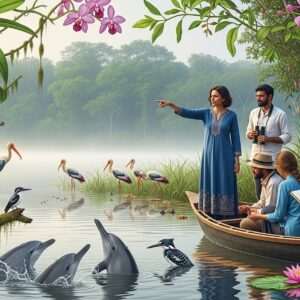
The mighty Brahmaputra River is truly the heartbeat of this region, playing a vital role in nurturing the local ecosystem. The river’s annual monsoon floods leave behind rich alluvial soil, supporting lush vegetation that sustains diverse wildlife. As the Lohit River gently merges with the Brahmaputra within these boundaries, it creates a dynamic aquatic environment. These serene waters are a safe haven for many aquatic species, most notably the endangered, yet beautifully playful, Gangetic River dolphin, which is a joy to witness for keen observers.
A Tapestry of Rare Flora and Fauna
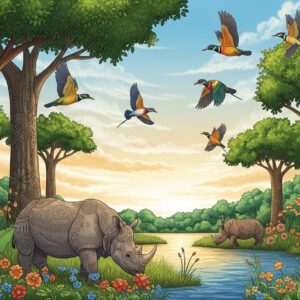
Recognized globally as one of the 19 biodiversity hotspots, the region boasts an incredible variety of flora with over 350 species of trees, shrubs, and medicinal plants holding deep roots in traditional Indian remedies. For wildlife enthusiasts, this sanctuary is nothing short of a miracle. It is famously home to majestic feral horses—descendants of horses left behind during the second World War—who now roam the lands freely.
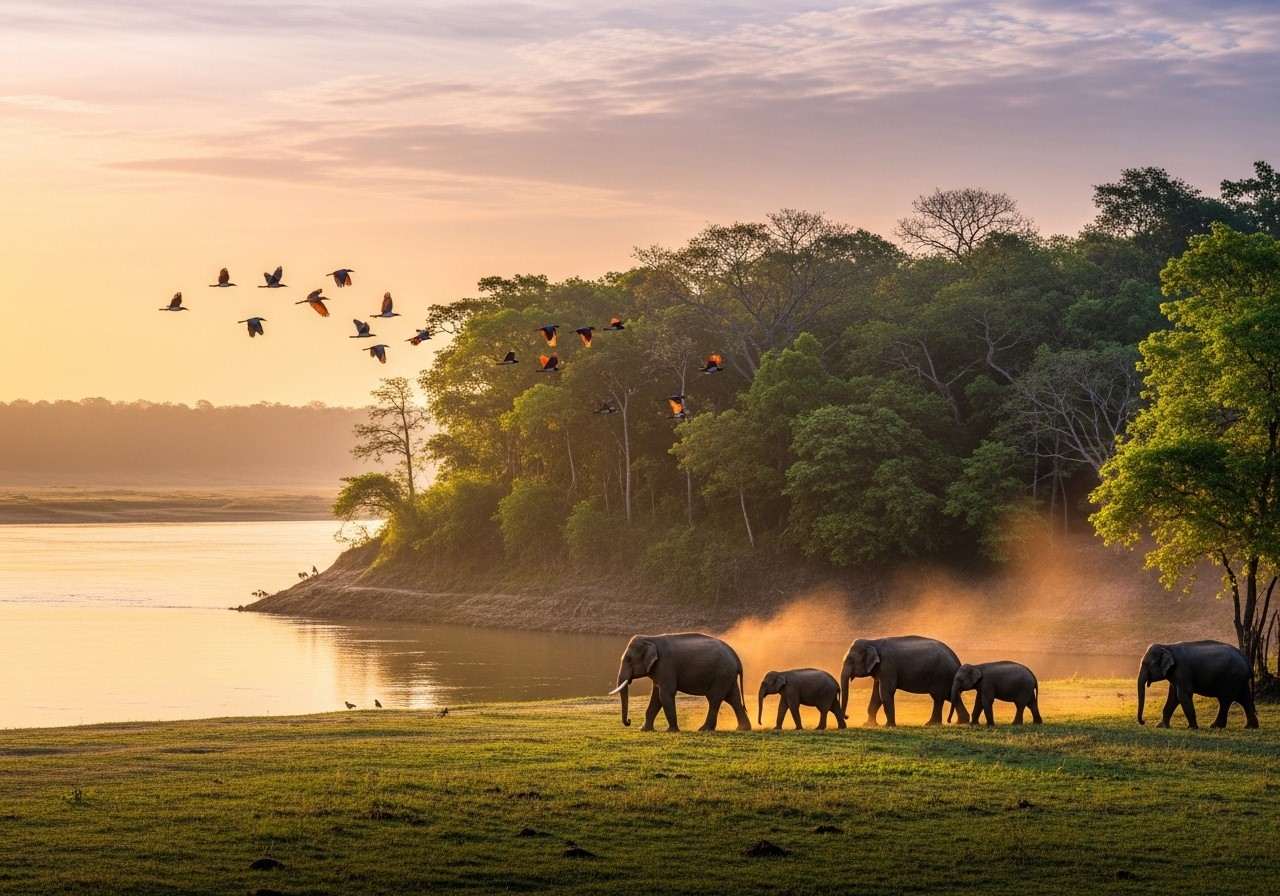
Furthermore, it is an absolute paradise for birdwatchers. Established primarily for the conservation of the endangered white-winged wood duck, the sanctuary shelters over 350 avian species. From the Bengal florican to breathtaking migratory birds that arrive in winter, the sky and wetlands are always alive with vibrant colors and melodies. One can also spot Asiatic elephants gently making their way through the tall grasslands.
Cultural and Historical Roots
The beauty of this protected area is not just in its wildlife, but also in the indigenous communities that have lived in harmony with the forest for generations. Surrounded by traditional tribal villages, particularly of the Mising community, the area beautifully preserves ancestral customs and practices. Historical folklore often speaks of these dense forests acting as a refuge during times of conflict, adding a profound historical weight to your visit. Exploring these tribal villages offers a warm, humbling glimpse into a sustainable, nature-revering way of life.
Essential Travel Tips for Your Journey
If you are planning to immerse yourself in this Assamese wilderness, timing and preparation are key. The best time to visit is between November and April. During these months, the weather is wonderfully pleasant, making it the perfect season to witness migratory birds in all their glory.
- How to Reach by Air or Train: The nearest airport is Mohanbari in Dibrugarh, situated roughly 50 to 70 kilometers away, where taxis are easily available to safely transport you. If you prefer train journeys, the closest major railway station is Tinsukia (about 18 km away), which connects seamlessly to all major Indian cities.
- Park Timings and Entry Details: The gates typically open to visitors from 7:00 am until 8:00 pm; however, for safety and conservation reasons, entry is strictly prohibited before sunrise and after sunset. The entry fee is quite affordable, set at approximately Rs. 100 for local visitors, while international tourists pay around Rs. 500.
- Navigating Through the Reserve: Entry is primarily through Guijan Ghat (about 10 km from Tinsukia) or Dhola entry point (about 50 km away). Hiring a local guide is highly recommended—not only does it support the local economy, but their deep knowledge ensures you don’t miss hidden wonders.
Unforgettable Things to Do
- Experience Serene Boat Safaris: Exploring the waterways via a gentle boat safari is a highly recommended and peaceful way to observe the region’s birds and wildlife. As you glide over the Brahmaputra, you stand a wonderful chance to spot water buffaloes and the enchanting Gangetic river dolphins.
- Embark on Jungle Trekking: For those who love the earth beneath their feet, guided trekking allows you to deeply explore the dense jungle pathways. It gives you the perfect opportunity to quietly listen to the natural symphony of the forest and spot rare flora up close.
- Relax in Traditional Houseboats: To truly absorb the calming energy of the Brahmaputra River, consider spending an overnight stay in a local houseboat. Falling asleep to the gentle lapping of river waves under a star-lit sky is an incredibly soul-soothing experience you will cherish forever.
- Visit the Picturesque Maguri Beel: Located just outside the main sanctuary, this beautiful wetland lake is an absolute must-visit for nature photographers and bird lovers. During the winter months, it transforms into a bustling home for countless species of vibrant migratory birds.
- Discover Tribal Village Hospitality: A visit to the nearby Mising community villages unveils the rich, vibrant culture of Assam’s indigenous people. Engaging with the locals, understanding their traditional weaving, and sharing a smile adds a beautiful, humanizing layer to your wilderness adventure.
How Poojn.in Enhances Your Spiritual Routine While Traveling
As you pack your bags to explore the pristine natural heritage of Assam, maintaining your daily rituals shouldn’t take a backseat. For many of us, our morning and evening prayers are a source of profound peace, grounding us no matter where we are. Taking a moment to light a diya or an incense stick brings a sense of home and divine protection, even in a faraway houseboat or eco-camp.
Authentic Traditional Ritual Items
Before you embark on your soulful journey, consider carrying compact and easy-to-use spiritual items. Poojn.in proudly serves as India’s biggest online cultural goods store, ensuring you never miss your daily devotions. From beautifully crafted puja thalis to comprehensive puja kits, we provide authentic items that are perfect for maintaining your spiritual practices while on the move.
Embracing Eco-Friendly Products
When visiting an ecologically sensitive biodiversity hotspot, it is our moral duty to respect Mother Earth. In harmony with the natural beauty of the Assamese wilderness, we highly encourage using earth-conscious items. Our collection includes biodegradable offerings, natural diyas, and 100% organic incense sticks, allowing you to perform your rituals purely and safely without leaving a harmful footprint on nature.
Convenient Online Shopping for Cultural Goods
Preparing for a trip can be hectic, but sourcing your essential cultural goods shouldn’t be. By choosing to shop at poojn.in, you can comfortably browse our extensive collection from your home. We will deliver your sacred items straight to your doorstep well before your travel date, adding unparalleled convenience to your traditional lifestyle. Please note, we specialize strictly in providing premium cultural goods online and do not offer travel packages or VIP temple darshan services.
For any inquiries regarding our products, we would love to help you. Feel free to reach out to us at 03369029784 or send us a WhatsApp message at 9476142738.
Conclusion: A Soulful Adventure Awaits
The enchanting Assamese riverine sanctuary offers a harmonious, breathtaking blend of nature and traditional culture, waiting patiently for you to explore it. Whether you are an avid birdwatcher waiting to capture the perfect shot of a white-winged wood duck, a wildlife enthusiast looking for feral horses, or simply someone seeking deep peace in nature’s embrace, this destination promises an unforgettable journey.
Visiting this sanctuary is more than just a holiday; it is an enriching experience that deepens our understanding of India’s incredible ecological and cultural wealth. With mindful travel and your daily spiritual grounding intact, your trip will undoubtedly be comfortable, safe, and deeply fulfilling. The timeless traditions and pristine beauty of Assam are calling out to you.
Frequently Asked Questions About the Sanctuary
Where exactly is this protected natural sanctuary located?
This stunning park is beautifully situated in the northeastern state of Assam, India. It lies in the easternmost corner of the state, bordering Arunachal Pradesh, and falls perfectly between the Dibrugarh and Tinsukia districts.
Which rivers are associated with the region’s ecosystem?
The landscape is profoundly shaped by two major rivers. The mighty Brahmaputra River flows through the park, while the Lohit River merges into it, creating an incredibly rich alluvial floodplain that sustains the local wildlife.
What makes this specific Assamese sanctuary so famous?
It is globally celebrated as a vital biodiversity hotspot. The region is famous for housing rare and endangered species, including the elusive white-winged wood duck, fascinating feral horses left from World War II, and playful Gangetic River dolphins.
What are the best activities for visitors to engage in?
Nature lovers can deeply immerse themselves in activities like serene boat safaris, jungle trekking, bird watching, overnight houseboat stays on the river, and taking culturally enriching walks through the neighboring Mising tribal villages.
When is the ideal time to plan a visit here?
The most recommended time to visit is during the cooler, drier months between November and April. During this period, the weather is beautifully pleasant, and it is the prime season to witness large flocks of exotic migratory birds.
Are there comfortable places to stay nearby?
Absolutely. You can choose from wonderful eco-friendly options like the Bonoshree Eco-camp or Wave Resort near the park boundaries. For a more localized experience, homestays in nearby villages are available, and the towns of Tinsukia and Dibrugarh offer numerous comfortable hotels and guest houses.
How can travelers reach the destination conveniently?
The sanctuary is highly accessible. By air, you can land at Mohanbari Airport in Dibrugarh, which is about 50-70 km away. If traveling by train, the Tinsukia railway station is just 18 km away. From Tinsukia, you can easily take a taxi or auto-rickshaw to the main entry points like Guijan Ghat.