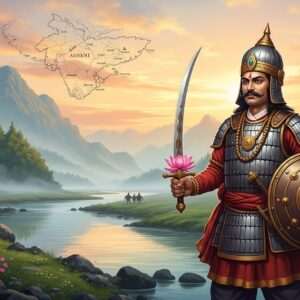


A Journey into the Heartland of Resilience
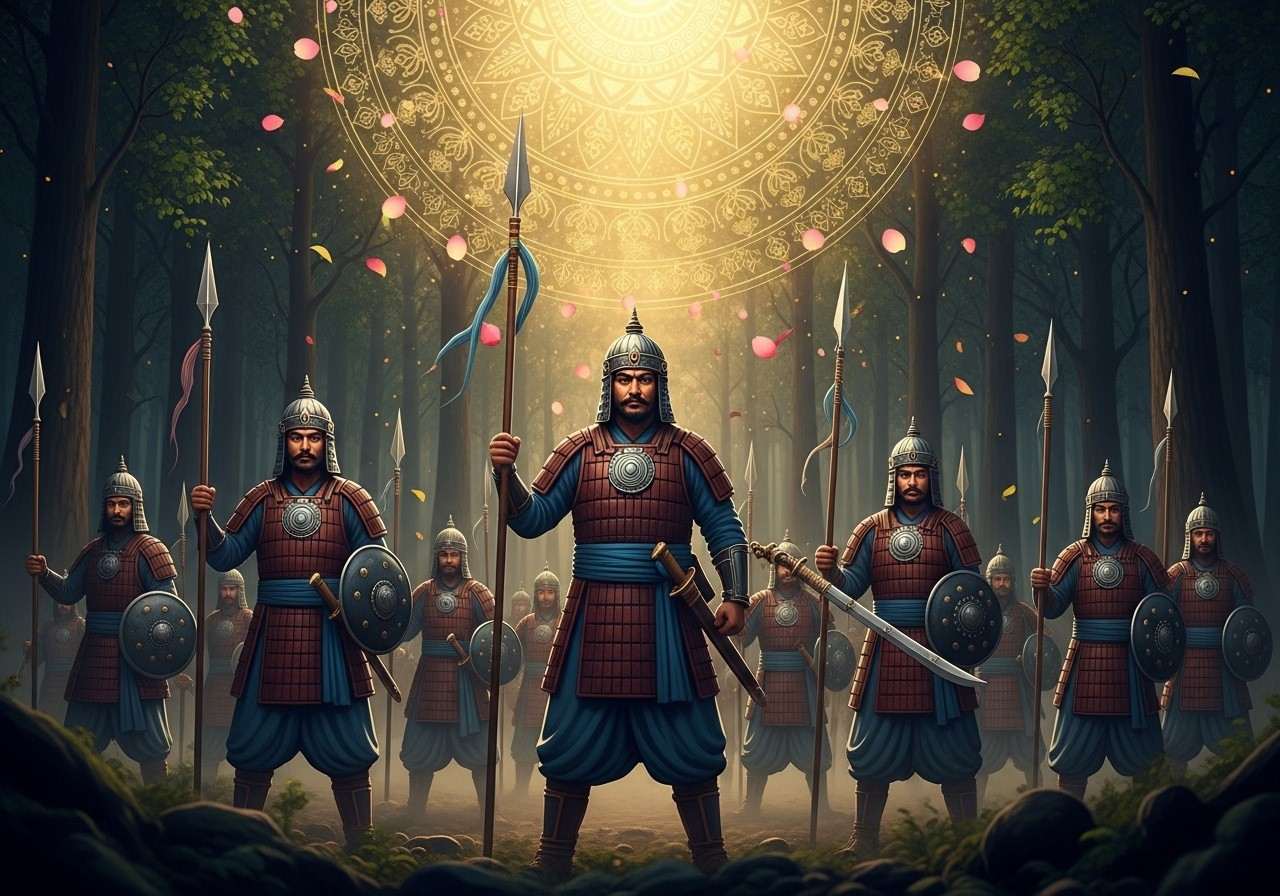
Picture an era where the mighty Brahmaputra river flowed as a silent, steadfast guardian to a realm that simply refused to bow down. For nearly six centuries, the Ahom Dynasty ruled the breathtaking landscapes of Assam, deeply rooted in their traditions and fueled by an unwavering love for their motherland. When the Mughal Empire was at the zenith of its power during the 16th and 17th centuries, aggressively seeking to expand its territorial footprint across the Indian subcontinent, Assam naturally caught their eye. They coveted the rich resources and vital trade routes of this beautiful eastern paradise. However, they were met with an indigenous force whose courage still echoes in the temple bells and folk songs of the region.
The extensive conflicts between these two powers spanned a tumultuous period from November 1615 to August 1682, predominantly fought for absolute control of the fertile Brahmaputra Valley. Originally migrating from the Yunnan region of present-day China, these early settlers seamlessly integrated into the cultural and spiritual fabric of Assam. Their legendary resistance not only defined the geographical borders of the era but also gifted the people a profound sense of regional identity and cultural pride that we lovingly cherish even today.
The Great Struggle for the Eastern Frontiers
The relentless military encounters between the local defenders and the imperial invaders were nothing short of legendary. Perhaps the most celebrated of these face-offs was the Battle of Saraighat in 1671, an awe-inspiring display of naval warfare and tactical genius. Under the extraordinary leadership of commander Lachit Borphukan, the native forces successfully defended their sacred homeland against a vastly larger and more heavily armed imperial army.
How did they manage such a miraculous feat? The secret lay in their intimate connection with their environment and their indomitable spirit:
- Mastery of Natural Fortresses: The local warriors transformed Assam’s dense, impenetrable forests, treacherous marshlands, and the roaring currents of the Brahmaputra River into an invincible natural shield, making it incredibly difficult for the invading cavalry to penetrate their sacred lands.
- Agile and Innovative Warfare: Rather than engaging in predictable open-field battles, the native forces perfected the art of guerilla warfare. They utilized swift hit-and-run tactics, devastating ambushes, and agile riverboats that effortlessly outmaneuvered the heavy, cumbersome enemy ships.
- Unshakable Unity and Leadership: The socio-political harmony among the local nobility and the everyday citizens created a united front that was impossible to break. Visionary leaders possessed not just tactical brilliance, but an emotional intelligence that united every soul for the cause of their motherland.
- Strategic Treaties and Diplomacy: When necessary, the regional rulers engaged in calculated diplomatic negotiations. Pacts like the Treaty of Asurar Ali in 1639, defining the Barnadi River boundary, and the Treaty of Ghilajharighat in 1663, were utilized creatively to buy time and regroup their forces for ultimate victory.
Unwavering Spirit: What Made the Defenses Impenetrable?
The true strength of this vibrant kingdom lay far beyond the battlefield; it was deeply embedded in their unique way of life and administrative brilliance. A defining feature of their societal structure was the Paik system, an ingenious conscription model. This system ensured that the kingdom always had a dedicated, steady reserve of manpower and essential supplies, ready to mobilize at a moment’s notice to defend their beloved soil.
Moreover, the cultural and spiritual cohesion of the Assamese people fostered a collective heartbeat of resistance. They relied on incredibly sophisticated intelligence networks and espionage, which allowed them to stay several steps ahead of the imperial strategies. By forging strong, respectful alliances with neighboring tribal communities, they built a formidable wall of defense. Ultimately, their definitive victory was sealed at the Battle of Itakhuli in 1682, where they comprehensively ousted the invaders, reclaiming Guwahati and Kamarupa once and for all, thereby ending the expansionist dreams of the empire in the region.
The Twilight of the Empire and Its Enduring Legacy
It is a bittersweet reality of history that even the most glorious eras face the test of time. While the native defenders triumphantly kept the imperial forces at bay, domestic challenges gradually began to chip away at their foundation. Complex succession disputes and administrative hurdles slowly weakened their internal structure. By the dawn of the 19th century, devastating Burmese invasions took a severe toll on the kingdom, eventually paving the way for British annexation.
Yet, the soul of this golden era was never truly conquered. The legacy of their formidable resistance serves as a luminous beacon of cultural resilience. Today, their magnificent architectural ruins, deeply resonant language, and vibrant traditions continue to be preserved and celebrated with immense devotion.
Honoring Our Roots: Embracing India’s Glorious Past
Understanding the valor of our ancestors instills a profound sense of pride in our hearts. Connecting with this glorious past becomes even more beautiful when we incorporate elements of our heritage into our daily lives and spiritual practices. For families who cherish tradition and seek to keep the flames of our history alive, embracing authentic cultural elements is a wonderful step forward.
We completely understand this deep-seated reverence for our heritage. Our online platform is dedicated to offering authentic ritual items and traditional goods that bring the essence of India’s rich history right into your home.
- Sacred Ritual Goods: Cultivate a divine atmosphere in your household with our premium pooja items. These carefully sourced essentials are perfect for performing the very rituals that our ancestors preserved through generations of struggle and devotion.
- Insightful Historical Literature: Dive deeper into the fascinating narratives of our regional warriors with our curated collection of historical books. These thoughtfully selected texts provide a window into the strategic brilliance and unwavering bravery of India’s past heroes.
- Exquisite Cultural Artifacts: Adorn your living spaces with beautiful artifacts that mirror the unmatched artistry and craftsmanship of ancient India. Each carefully crafted piece tells a story of a time when art, devotion, and valor went hand in hand.
- Authentic Traditional Attire: Feel the vibrant pulse of regional cultures by wearing our beautiful traditional garments. These authentic weaves bring you closer to the cultural identity that local dynasties fought so fiercely to protect and nurture.
To enrich your spiritual journey and embrace our shared heritage, please browse our exclusive collection at https://poojn.in. Let us help you celebrate the unconquered spirit of India every single day.
Common Inquiries About the Historic Resistance
Many history enthusiasts often wonder about the identity of these fierce eastern protectors. They were a highly influential and spiritually rooted dynasty that successfully maintained their sovereignty across the Assamese landscape for an awe-inspiring six centuries.
Another common thought is what truly drove them to stand against such a massive imperial force. The undeniable motivation was a profound devotion to their sacred motherland, striving to protect their unique cultural practices from foreign subjugation. When contemplating how they managed to repel the mighty invaders, the secret lay in their intimate understanding of the treacherous local geography, masterful guerrilla strategies, and the clever utilization of the roaring Brahmaputra river as an impenetrable defense.
Discussions often highlight the major confrontations of this turbulent era. The most decisive and culturally celebrated encounters included the iconic Battle of Saraighat and the final showdown at the Battle of Itakhuli, where the sheer tactical brilliance of the local commanders shone brightest. Many people naturally ask if the imperial armies ever succeeded in conquering them. History proudly records that despite decades of relentless campaigns and temporary setbacks, the invading forces were fundamentally unable to hold Assam, facing repeated and humiliating defeats at the hands of the natives.
Finally, exploring why this chapter holds such immense significance in Indian history reveals a beautiful truth. It powerfully illustrates the incredible resilience of regional Indian kingdoms against colossal empires, proving that a united love for one’s heritage can safeguard a region’s spiritual and cultural wealth against all odds. By firmly halting the eastern expansion of the invaders, this legendary resistance demonstrated the ultimate limits of imperial power when it clashes with an unconquerable local spirit.