
India’s cultural landscape is beautifully vast, and at the heart of the Northeast lies Assam’s vibrant heritage, deeply shaped by the fascinating history of the Ahom dynasty. For those of us who cherish our roots, understanding this unique way of life allows us to appreciate the diversity and spiritual depth of our nation. The legacy of these royal ancestors continues to breathe life into contemporary society, offering a beautiful blend of ancient traditions and regional customs.
The Architectural and Societal Brilliance
The royal lineage of Assam is renowned for its monumental contributions to architectural grandeur, beautifully reflected in the construction of magnificent temples and historic palaces that still stand today as proud symbols of devotion. Beyond their structural marvels, they established a highly advanced political system that nurtured peace and stability across the region. They celebrated life through joyous traditional festivals like Bihu and the deeply spiritual ancestor-worship ritual of Me-Dam-Me-Phi, which highlights their profound respect for the departed.
In terms of community values, these ancestors practiced progressive matrilineal customs, keeping the family and community at the heart of their societal framework. Folklore and oral histories have played an instrumental role in ensuring that these sacred narratives are gracefully passed down from one generation to the next, preserving the essence of their cultural integration and religious tolerance.
The Linguistic Journey: Uncovering the Tai Roots
The ancestral tongue of this royal community is an absolute linguistic gem that proudly showcases their Southeast Asian origins. While many ancient Indian languages evolved with heavy influence from classical texts, this particular dialect charted its own unique course.
- A Distinctive Tai Dialect: The traditional language shares a remarkably close resemblance to the Khamti and Shan dialects. It remains incredibly unique because it evolved entirely free from the profound Sanskrit and Pali influences that typically shaped neighboring vernaculars.
- From Extinction to Revival: Although it was widely considered extinct by the 19th century, dedicated traditional priests and scholars painstakingly reconstructed it from sacred manuscripts. These reverent individuals kept the language alive by exclusively using it during auspicious rituals and spiritual ceremonies.
- Embracing the Local Ethos: Over generations, demonstrating a remarkable spirit of adaptability and respect for regional customs, both the royal court and everyday commoners gracefully transitioned to speaking Assamese, beautifully bridging their ancient identity with local traditions.
Weaving Identity: The Elegance of Traditional Attire
The majestic clothing of these ancestors is a vivid display of exceptional craftsmanship, deep-rooted pride, and clear social distinction. Historically, early generations adorned themselves in dignified black garments before gracefully transitioning to pristine white apparel. These exquisite clothes were carefully woven from Assam’s globally celebrated silks, particularly the luxurious Muga, Pat, and Eri, which are still revered today for their unmatched durability, bright hues, and nature-inspired motifs.
Masculine Grace: Symbols of Pride and Status
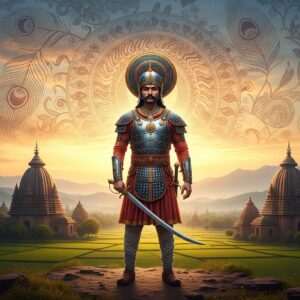
- The Suria and Suti-sula: Men elegantly draped the Suria, a specialized woven cloth wrapped securely around the waist that extended to the knees or below. The precise length of this garment was a subtle yet powerful indicator of a man’s social standing, typically paired with a comfortable short shirt known as the Suti-sula.
- Accessories of Honor: To complete their daily wear, they donned the Sapkon, a short shirt smartly tied at the waist with a distinctive belt-like strap called the basual tongali. Furthermore, carrying the Hengdang—a beautifully forged traditional sword—was considered the ultimate symbol of masculine pride, dignity, and royal allegiance.
- Festive and Winter Warmth: During joyous community celebrations, the Cheleng Sadar (a gracefully draped scarf) and the Paguri (an elegant turban) added a touch of regal splendor. When the winter chill settled over the valleys, men naturally turned to the thick, comforting warmth of the khaniakapoor or borkapoor to stay cozy.
Feminine Elegance: The Grace of Woven Art
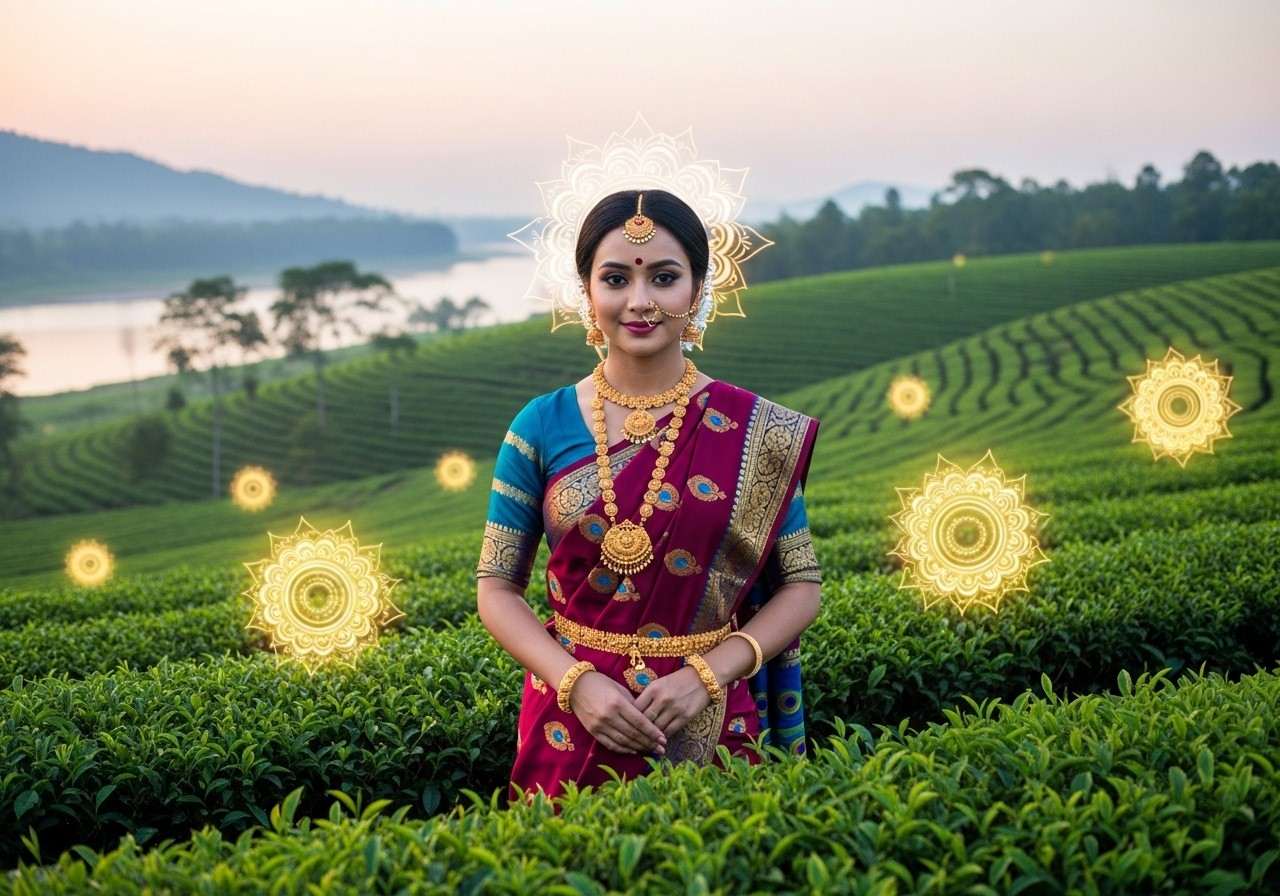
- The Classic Three-Piece Ensemble: The absolute cornerstone of feminine grace was a beautiful, meticulously crafted trio consisting of the suti sula (a beautifully fitted blouse), the mekhela (a stunning cylindrical skirt worn from the upper waist down to the feet), and the reeha (an elegant cloth thoughtfully draped across the body).
- Regal Distinctions in Fabric: Royal women adorned themselves in highly sophisticated fabrics bearing intricate, nature-inspired motifs, often selecting luxurious materials like paatgomseng, while aristocratic ladies radiated grace in regal garments such as kingkhap, gomseng, and the highly prized mejangkori muga riha.
- The Charm of the Commoner’s Loom: Women from the broader community found immense beauty and pride in simplicity, frequently wearing lovingly handwoven riha mekhela sadar. These enduring, practical garments wonderfully reflected the community’s deep-rooted family values and their remarkable everyday weaving skills.
Ornaments: Gleaming Expressions of Heritage
In this flourishing society, gold jewelry was synonymous with wealth and divine blessings. While pure gold elegantly adorned those of higher social echelons, individuals from other walks of life beautifully accessorized themselves with finely crafted silver, bronze, or brass. These ornaments were never just about vanity; they were profound symbols of cultural continuity and a proud declaration of one’s heritage.
Embrace Authentic Traditions with Poojn
Connecting with our ancient roots is a profoundly spiritual and deeply emotional journey. For those looking to bring home the sanctity of Indian rituals and honor our diverse heritage, Poojn.in proudly stands out as the premier destination for cultural goods in India. We understand the devotion of the Indian household, which is why we specialize exclusively in authentic ritual items and traditional goods crafted for your daily spiritual practices.
Whether you are setting up your home altar or preparing for an auspicious festival, our carefully curated collection ensures you have access to the purest materials. Please remember that we are strictly a retail platform for cultural artifacts; we do not offer travel packages, nor do we provide VIP darshan bookings for temples. For any heartfelt inquiries or to explore our sacred collection of traditional goods, you can easily reach our dedicated team at 03369029784 or drop us a convenient WhatsApp message at 9476142738.
Understanding the Legacy: Insights and Reflections
As we journey through the fascinating annals of Assam’s history, many enthusiasts naturally seek deeper insights into how these magnificent traditions took root and evolved.
The Roots of the Royal Lineage
The origins of this vibrant community trace back to the Tai ethnic group, who undertook a historic migration into the lush, fertile landscapes of present-day Northeast India. Upon establishing their kingdom, they beautifully integrated their inherent customs with the local traditions, creating an enduring and harmonious cultural blend.
Linguistic Heritage and Modern Usage
Historically, the people conversed in their native Tai dialect. While this ancestral tongue is preserved primarily through sacred rituals and ongoing revival efforts by dedicated scholars, the vast majority of the community today fluently speaks Assamese, showcasing a beautiful synergy between past and present.
Enduring Influences in Modern Fashion
The elegance of the past continues to gracefully influence today’s wardrobes. The traditional attire has naturally evolved, beautifully blending the timeless motifs and handwoven charm of the past with the comfort required by modern lifestyles, ensuring that the legacy of the loom never fades away.
Sacred Community Rituals
Spiritual life remains deeply anchored in unique, time-honored rituals. Ceremonies such as Me-Dam-Me-Phi are conducted with immense devotion to honor the ancestors. Through heartfelt offerings and collective prayers, the community continuously seeks divine blessings to ensure the well-being and prosperity of future generations.
By cherishing these timeless traditions and incorporating pure cultural elements into our daily lives, we keep the vibrant spirit of our ancestors alive. Let us continue to honor our diverse Indian heritage with deep respect, unwavering devotion, and a profound sense of pride.