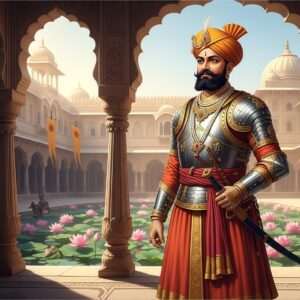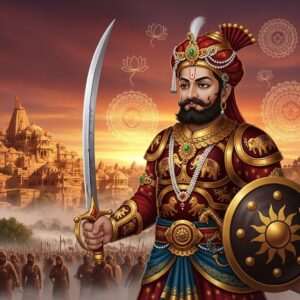


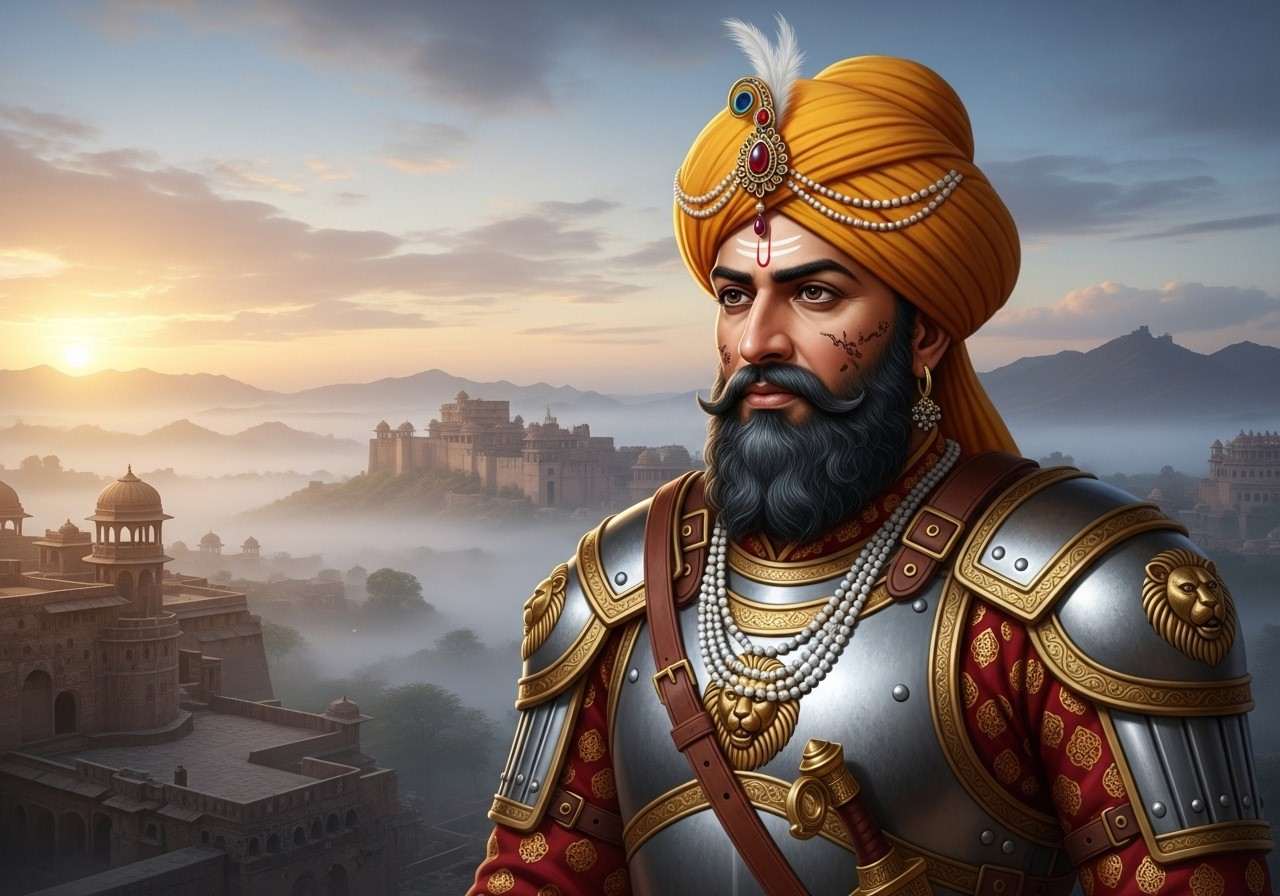
As Indians, our roots are deeply intertwined with tales of immense valor, profound devotion, and unwavering resilience. Among the many illustrious names that echo through the vibrant corridors of our history, one figure stands remarkably tall. Bappa Rawal, affectionately remembered in early chronicles as Kalbhoj, remains one of the most revered and pivotal figures in India’s glorious past. His journey from a displaced prince to the formidable architect of the Mewar kingdom is not just a chapter in a history book; it is an enduring saga of courage that continues to inspire our cultural ethos today.
The Making of a Sovereign: Early Life and Rise to Power
The origins of this historic ruler are as moving as they are inspiring. Born in 713 AD, his early years were marked by significant adversity. Following the tragic martyrdom of his father, Rawal Mahendra, the young prince was nurtured by his devoted mother with the invaluable support of the local Bheel community. It was within the rugged terrains of the Aravallis that he mastered the indigenous arts of warfare and strategic combat.
His defining moment arrived in 734 AD. At the young age of 21, exhibiting unparalleled strategic prowess, he successfully defeated Man Mori to capture the iconic Chittorgarh fort. This monumental victory did not merely win him a fortress; it laid the unshakeable foundation of the Guhila Rajput dynasty, which would fiercely protect our motherland for over a millennium.
Charting the Boundaries: A Historical Cartography of His Dominions
The territorial expanse of this legendary king’s realm was truly awe-inspiring. He was not just a regional chieftain but a visionary commander who recognized the importance of securing the subcontinent’s frontiers. His strategic brilliance allowed him to repel formidable Arab invasions, particularly during the historic Battle of Rajasthan, thereby safeguarding the sanctity and culture of the region.
Historical accounts suggest that his influence stretched far beyond the borders of present-day Rajasthan. By liberating Sindh and expanding his dominion into central Asia—including regions like Baluchistan, Kandahar, Khorasan, and Iran—he created a unified and secure empire. This vast integration fostered unparalleled cultural and economic exchanges, enhancing trade routes that brought prosperity to his subjects.
The Intriguing Connection to Rawalpindi
One of the most fascinating aspects of his enduring footprint is the legacy associated with the North-Western frontiers. It is widely believed by many historians and local traditions that the modern-day city of Rawalpindi was established as a crucial military outpost by this very Mewar sovereign.
By setting up guard posts every 100 kilometers manned by loyal Rajput chiefs, he fortified the region against foreign incursions. Today, the name of the city itself is seen by many as a linguistic homage to his title, serving as a historic bridge between our ancient past and the present geographical landscapes.
Spiritual Devotion and Cultural Impact
Beyond his military might, he was a deeply spiritual soul who ushered in a remarkable cultural renaissance. Deeply rooted in his faith, he is celebrated for commissioning the magnificent Eklingji temple near Udaipur, a site of profound reverence that remains an active spiritual center today. By initiating the tradition of worshipping Lord Shiva as the true ruler of Mewar, he established a beautiful model of servant-leadership.
His reign witnessed a flourishing of arts, architecture, and spiritual literature. The grand temples and robust forts built during his era stand today as architectural marvels, reminding us of a time when devotion and duty walked hand in hand. His life laid down the moral and martial blueprint that later inspired generations of national heroes, including the great Maharana Pratap and Chhatrapati Shivaji Maharaj.
Embracing Our Heritage: Honoring Timeless Legacies at Home
Reading about such monumental figures often fills our hearts with a deep yearning to connect with our ancestral roots. At Poojn.in, India’s most trusted destination for cultural and spiritual goods, we understand this profound emotional connection to our heritage. While we do not offer travel packages or VIP temple darshans, we are deeply committed to bringing the sanctity of our traditions right to your doorstep. You can easily honor the devotional spirit of our great ancestors through our carefully curated spiritual collections.
- Traditional Puja Samagri and Ritual Kits: Bring home the divine essence of traditional worship with our meticulously curated sets. These comprehensive collections contain every essential item you might need to perform daily rituals or special aartis, ensuring that your spiritual practices remain as authentic and uninterrupted as the devotion of our ancestors. Find your ideal set at .
- Exquisite Brass Idols and Statues: Transform your home mandir into a sanctuary of peace with our beautifully handcrafted divine figures. Each piece reflects the glorious artistry that was celebrated during the golden eras of our history, allowing you to pay homage to the divine in the most visually stunning way possible. Browse the collection at .
- Natural Incense and Soothing Fragrances: Recreate the tranquil and uplifting atmosphere of ancient temple courtyards right in your living room. Our premium selection of natural aromatic products helps elevate your meditative experiences, making every prayer feel deeply connected to our spiritual roots. Explore these soothing fragrances at .
For any personalized guidance in choosing the right items for your home rituals, please feel free to contact us at 03369029784 or drop us a message on WhatsApp at 9476142738. Enjoy the comfort and convenience of online shopping with Poojn.in as you keep the flame of our majestic history alive in your daily life.
An Enduring Inspiration for Generations
The tapestry of this legendary Rajput king’s life is woven with rich threads of bravery, unparalleled leadership, and cultural devotion. His empire was not merely a collection of conquered lands; it was a shining beacon of strategic brilliance and cultural preservation. Even though modern historians sometimes debate the exact geographical boundaries of his rule, the emotional and historical impact he left on the Indian subcontinent is absolute and undeniable.
Today, his story acts as a guiding light for those of us who value tradition, honor, and resilience. As we reflect upon his monumental achievements, we pay our heartfelt respects to a visionary ruler whose valor carved a lasting mark on our history, continuing to shape our proud cultural identity.
Frequently Asked Questions About This Historic Mewar Sovereign
Many often wonder about the true extent of the kingdom established by this legendary ruler. The domain established by this revered leader of the Mewar region encompassed significant portions of present-day Rajasthan and, at its peak, stretched far beyond our modern borders into central Asia, acting as a massive shield against early foreign invasions.
Understanding how his reign shaped our history requires looking at his multi-faceted contributions. He played a monumental role in shaping the Indian historical narrative through his robust defense strategies, architectural marvels like the Eklingji temple, and the establishment of a strong cultural identity that unified various clans under a common cause.
For those curious about visualizing these ancient territories, historical maps are indeed available. You can find detailed cartography illustrating the impressive extent of his domains during the 8th century in comprehensive history textbooks, university archives, and various curated online historical resources.
Enthusiasts frequently ask where they can learn more about this golden era of Rajputana history. Delving into the royal museums of Rajasthan, exploring well-researched scholarly literature, and visiting dedicated heritage portals online are excellent ways to immerse yourself in the rich details of his life and conquests.
The historical importance of his rule simply cannot be overstated. He is profoundly important because he laid the foundational bedrock for the Guhila dynasty’s cultural and military supremacy. His visionary leadership set a benchmark of honor that defined the region’s ethos for centuries to follow.
The connection between this valiant king and the city of Rawalpindi remains a fascinating topic of historical discussion. While some academic circles debate the exact documentation, strong local legends and historical texts credit him with establishing the city as a frontier military base to fortify the North-West against future invasions.
When looking for key historic locations tied to his legacy, specific landmarks stand out prominently. Chittorgarh, the fortress he famously conquered in 734 AD, along with the magnificent Eklingji temple near Udaipur, remain the most significant and spiritually charged locations connected to his grand empire.
Exploring this majestic legacy today is an enriching and soulful experience for any history lover. You can deeply connect with his era by visiting the ancient forts and temples across Rajasthan, participating in respectful local heritage tours, and celebrating the traditional festivals that continue to honor the bravery and devotion of our ancestors.