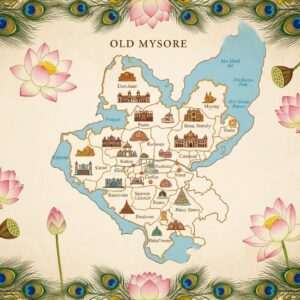

India is a land where every city whispers tales of a glorious past, and Mysore—now part of the vibrant state of Karnataka—is a shining jewel in this cultural crown. For those of us who deeply value our roots, exploring the historical symbols of the Mysore kingdom is like taking a spiritual walk through our own history. The legacy of the region is beautifully preserved not just in its grand palaces, but in the very symbols that defined its identity: its revered state animal and its historical currency. This journey into Mysore’s heritage is a celebration of the traditions that continue to shape our spiritual and everyday lives.
The Majestic Asian Elephant: A Symbol of Devotion and Power
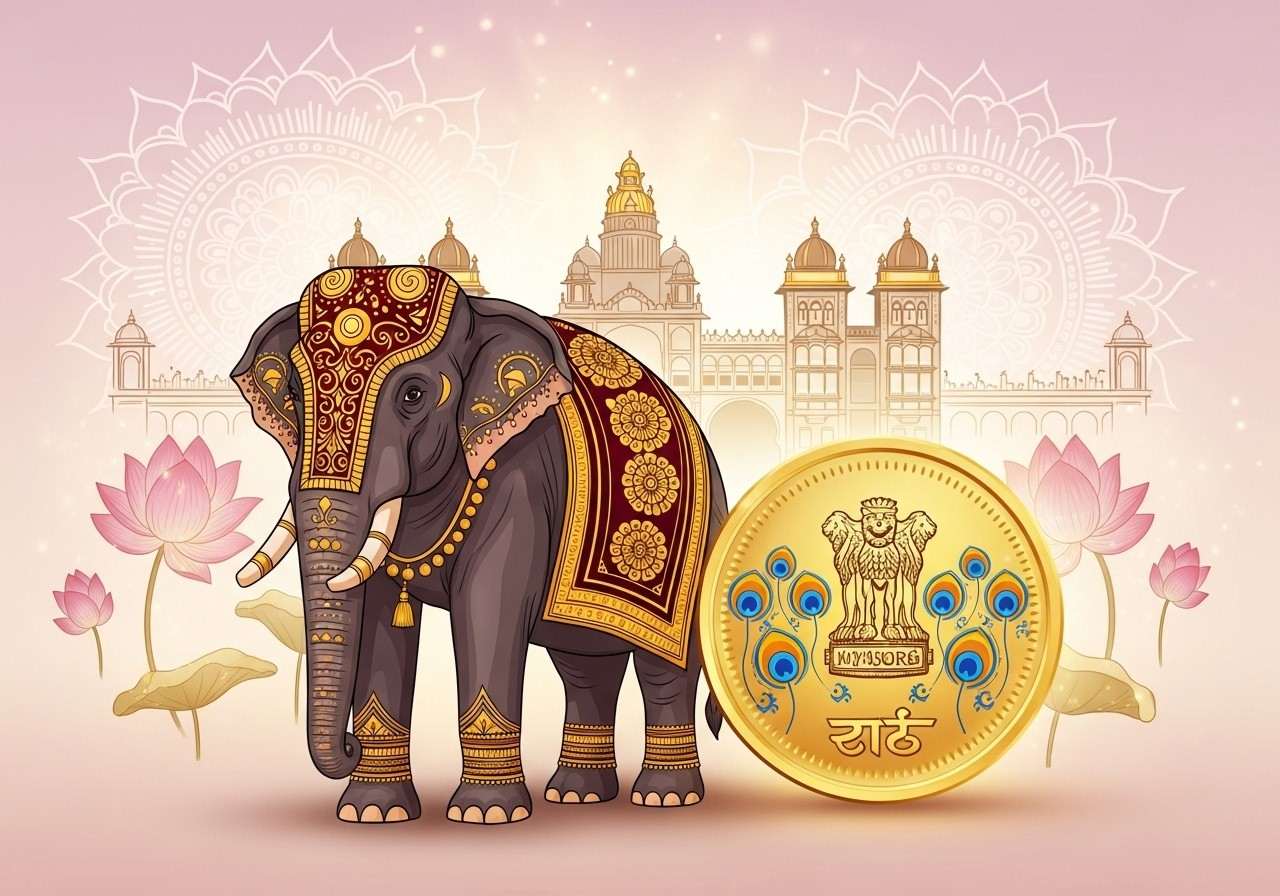
When we think of Mysore, the image of beautifully decorated elephants gracefully walking during the legendary Dasara festival immediately comes to mind. The state animal of Karnataka (historically the Mysore region) is the Asian Elephant, scientifically known as Elephas maximus. Commonly referred to as the Indian Elephant, this magnificent creature is much more than a political symbol; it is deeply interwoven into the fabric of our Hindu traditions.
For centuries, the Asian Elephant has represented unyielding strength, supreme intelligence, and divine wisdom. Elephants are intrinsically linked to Lord Ganesha, the remover of obstacles, making their presence in temple rituals and royal processions highly auspicious. Even today, recognizing the Asian Elephant as a cultural ambassador helps drive vital conservation efforts, ensuring that our children and grandchildren can experience the same ecological and spiritual harmony that our ancestors cherished.
The Golden Era: Tracing the History of Mysore’s Currency
Just as the elephant represented physical and spiritual might, the economic prosperity of the Wodeyar dynasty was perfectly captured in its unique currency. The coins of the Mysore kingdom were not merely mediums of exchange; they were exquisite pieces of art that celebrated faith and regional pride. Exploring these historical treasures gives us a profound glimpse into how our forefathers valued commerce, devotion, and artistry.
- The Renowned Kanthirayi Phanam: These historical gold coins were a true marker of prosperity under the magnificent Wodeyar dynasty. They stand today as a testament to a time when wealth and spirituality went hand in hand, widely used in both everyday trade and grand temple offerings.
- Sacred Motifs and Divine Inscriptions: Borrowing artistic inspiration from the legendary Vijayanagara Empire, many Mysore coins were minted in gold, silver, and copper. These coins often featured deeply revered motifs of Hindu gods, goddesses, and the sacred elephant, serving as pocket-sized tokens of devotion for the common man.
- The Transition to Modern Currency: As history progressed under British rule, traditional bartering shifted, and tax payments were required to be made strictly in cash. After India joyously gained independence in 1947 and Mysore eventually integrated into modern-day Karnataka, the standard Indian Rupee (INR) became the official currency, with everyday transactions now utilizing familiar denominations like the 1, 2, 5, 10, and 20 rupee coins.
Embracing Our Identity in the Modern World
The profound impact of these royal symbols extends far beyond history books. Mysore’s historical currency and its sacred state animal continue to inspire local folklore, traditional literature, and vibrant regional art. As modern Indians navigating a fast-paced, globalized world, preserving the memory of these heritage symbols gives us a comforting sense of continuity and immense cultural pride.
While urban planning and modern initiatives continue to evolve, keeping these traditional motifs alive reminds us of the values of our ancestors. It fosters a deep sense of community engagement, bridging the gap between our rich history and our modern spiritual practices.
Bringing Authentic Traditions into Your Home with Poojn.in
Mysore’s rich legacy reminds us of how vital it is to surround ourselves with symbols of authenticity and devotion. While you cannot bring a royal elephant into your home or shop with ancient gold coins, you can certainly bring that same level of purity and tradition into your daily puja.
At Poojn.in, we are deeply committed to offering cultural goods that seamlessly connect you to India’s magnificent traditions. Please note that we do not offer travel packages, guidance, or VIP darshan tickets to temples. Instead, we focus entirely on what we do best: providing you with the highest quality, authentic ritual items right at your doorstep.
Through our dedicated online store, you can explore an exquisite range of products designed to enhance your understanding and appreciation of our shared heritage. Whether you are looking for pure puja essentials or handcrafted spiritual decor, Poojn.in stands out as your trusted companion for all cultural needs. For more information or to bring a touch of authenticity to your home rituals, please visit our website or contact us directly at 03369029784. For your convenience, you can also easily reach out to our team via WhatsApp at 9476142738.
Frequently Asked Questions About Mysore’s Royal Heritage
What is the state animal of Mysore?
The state animal of Karnataka, which encompasses the historical region of Mysore, is the majestic Asian Elephant, also widely known as the Indian Elephant. Known for its commanding presence, it is a timeless symbol of strength and divine wisdom.
Why was the Asian Elephant chosen to represent this region?
This gentle giant was selected due to its massive cultural significance and historical presence in South India. It perfectly reflects the region’s rich heritage, royal processions, and deep-rooted spiritual connection to deities like Lord Ganesha.
What were the characteristics of historical Mysore state coins?
During the reign of the Kingdom of Mysore, a variety of coins were issued in gold, silver, and copper. Famous among them was the Kanthirayi phanam. These coins featured unique, intricate designs, including motifs of Hindu gods, goddesses, and sacred elephants.
How did the currency of the Mysore kingdom define its identity?
The beautifully minted currency showcased the kingdom’s immense prosperity and unwavering faith. By imprinting sacred symbols and deities onto their wealth, the rulers of Mysore blended economic strength with their profound spiritual identity.
What currency is used in the Mysore region today?
Following India’s independence in 1947, the region became part of the broader Indian framework. Today, the state of Karnataka uses the Indian Rupee (INR) as its official currency, with circulating coins in denominations such as 1, 2, 5, 10, and 20 rupees.
Are there any modern celebrations that honor these historical symbols?
Absolutely. Grand festivals like the world-renowned Mysore Dasara beautifully celebrate these symbols. The festival prominently features the Asian Elephant in its royal processions, keeping the vibrant culture, devotion, and traditions of the region alive for the world to see.
Celebrating a Timeless Legacy
Mysore stands today as a glorious testament to the enduring power of our cultural symbols. The majestic Asian Elephant and the rich history of the region’s ancient currency serve as vital bridges connecting our sacred past with our bustling present. As we warmly embrace modernity, these symbols continue to inspire a sense of unity, devotion, and pride. By cherishing, understanding, and passing down these stories, we honor the deep roots of our parampara (tradition), welcoming the future with a heart full of grace and gratitude. Let us continue to celebrate this beautiful legacy, ensuring that the vibrant, soulful culture of India thrives for generations yet to come.