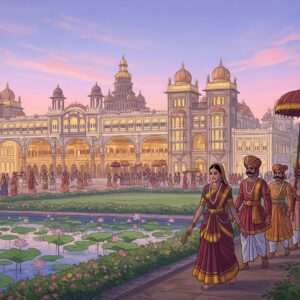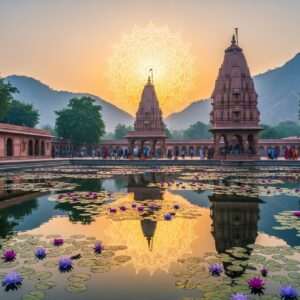


Nestled in the vibrant heart of western India, this historic region stands as a profound testament to Rajasthan’s timeless heritage. Its true significance lies not only in its deeply rooted traditional customs but also in its strategic geographical placement. For middle and upper-middle-class families who hold our ancient parampara (traditions) close to their hearts, understanding the essence of this land is a beautiful journey of spiritual and cultural reconnection. It holds a very special place in the hearts of those who cherish authentic rituals and seek the everyday convenience of sourcing genuine cultural items online.
The Geographical Heartbeat of the Region
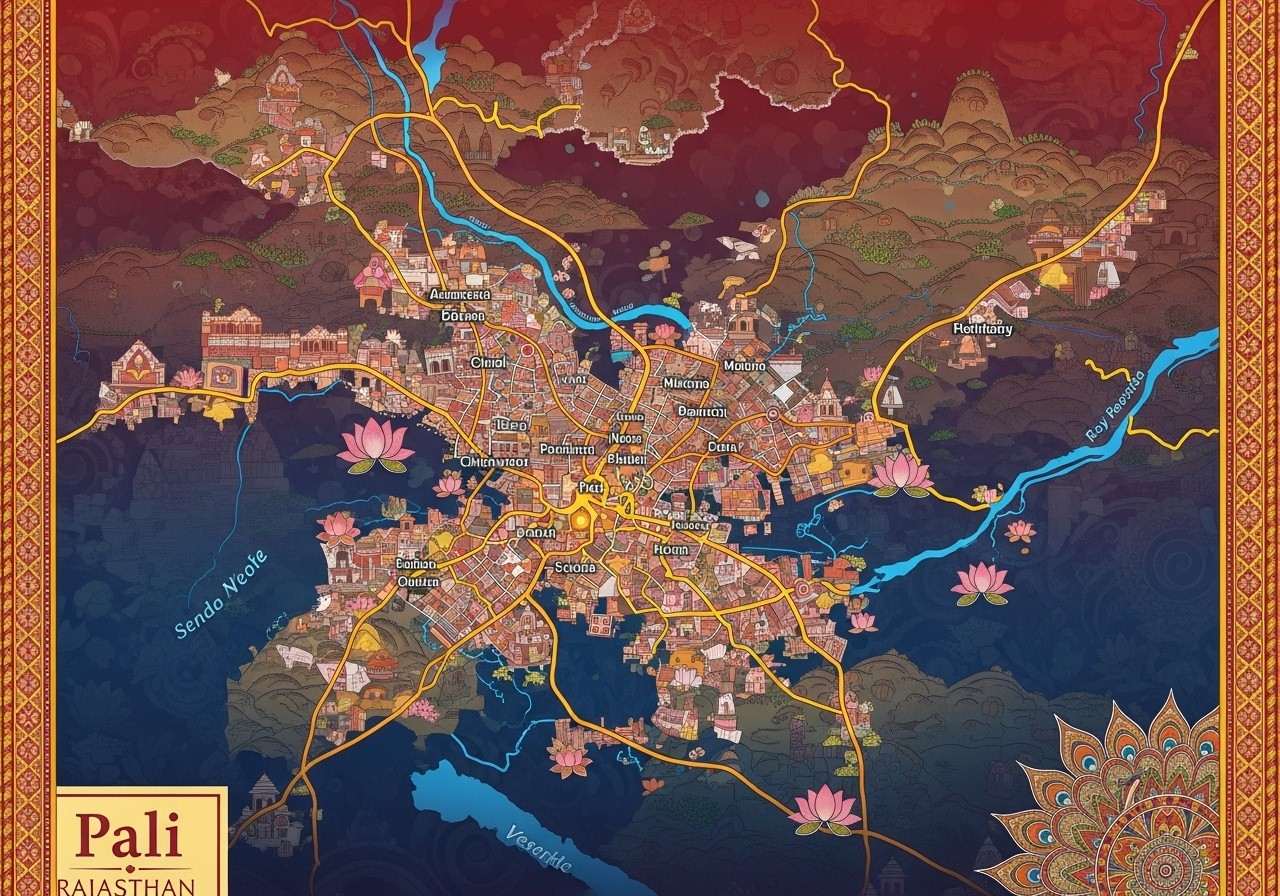
This sacred soil is thoughtfully positioned between 24°45′ to 26°29′ North Latitudes and 72° 47′ to 74° 18′ East Longitudes. Covering a vast geographical area of 12,387 sq km, the landscape is a mesmerizing blend of arid desert expanses and fertile river plains. Historically, these lands served as a bustling crossroads for ancient trade routes, a legacy that continues to infuse the local economy with a spirit of vibrant enterprise and cultural exchange.
Understanding the boundaries of this culturally rich district gives us a glimpse into its harmonious coexistence with neighboring regions:
- Northern and Northeastern Neighbors: This beautiful land is gracefully bounded by Nagaur to the north and Ajmer to the northeast. These neighboring areas share a deep-rooted history, facilitating a wonderful exchange of Rajasthani art, spirituality, and commerce across their open borders.
- Southeastern and Southwestern Borders: To the southeast lie the culturally rich districts of Rajsamand and Udaipur, while Sirohi and Jalore warmly flank the southwest. The presence of the majestic Aravalli Range on the eastern side forms a natural, rocky bridge linking the area with Ajmer, Rajsamand, and Udaipur, adding immensely to its scenic and spiritual allure.
- Western and Northwestern Frontiers: The vast, sun-kissed expanses of Barmer stretch widely to the west, and the majestic Blue City of Jodhpur nestles comfortably in the northwest. This incredible network of surrounding districts ensures that the cultural cross-pollination in this central region remains vibrant, deeply rooted, and continuously evolving.
Exploring the Soul of the Tehsils
To truly appreciate the local governance and heritage, one must look at its localized subdivisions. The district is seamlessly divided into ten distinct sub-districts or tehsils, which elegantly manage the administration of its 11 towns and 1,030 tranquil villages, each bringing its own unique flavor to the regional tapestry.
- Sojat and Marwar Junction: Sojat is celebrated globally for its rich, natural henna production, a deeply auspicious staple used in our sacred rituals and joyous wedding celebrations. Meanwhile, Marwar Junction whispers fascinating tales of traditional pottery crafts, keeping the ancestral, earth-bound artistry of local craftsmen alive and thriving for future generations.
- Jaitaran, Raipur, and Sumerpur: These thriving sub-districts serve as the vital agricultural heartlands of the region, celebrating a profound, nurturing bond with Mother Earth. By cultivating essential crops like mustard and wheat, the dedicated farmers here form the resilient backbone of the local agrarian economy, ensuring sustenance and prosperity for all.
- Bali, Pali, Rohat, Desuri, and Rani: Bali beckons history enthusiasts with magnificent ancient sites that softly echo stories of valor and devotion. Together with the other administrative blocks, these centers work harmoniously to preserve the region’s authentic customs while fostering modern growth and maintaining seamless civic order.
Lifelines and Climate: The Natural Rhythms
Water is revered as a sacred life force in our culture, and this region is beautifully sustained by several meandering streams. The main rivers gracefully passing through the landscape include Guhiya, Khari, Bandi, Mithari, Sukri, Luni, and Jawai. These rivers are not just geographical features; they are the very lifelines that nurture the fertile pockets of land, allowing agriculture to flourish amidst challenging terrains.
The climate here beautifully reflects the remarkably resilient spirit of its people. The region experiences extremely hot weather during the summer months, demanding endurance and strength, followed by fairly cold and comforting winters. Most of the life-giving rainfall occurs during the holy monsoon season, a time when the parched earth rejuvenates, bringing a wave of hope, vibrant greenery, and prosperity to the hardworking local farmers.
A Legacy of Faith and Artistry
The cultural heritage here is a dazzling celebration of devotion and communal harmony. Festivals like Gangaur and Teej are celebrated with unparalleled fervor, filling the streets with vibrant colors, soulful folk music, and deep devotion. The landscape is also dotted with architectural marvels, most notably the intricately carved Ranakpur Jain Temple, which stands as a breathtaking testament to spiritual dedication and ancient craftsmanship.
Generations of skilled artisans have lovingly preserved age-old techniques in textiles and pottery. These traditional crafts are more than just an economic activity; they are a profound expression of the region’s soul, telling stories of devotion, patience, and ancestral wisdom that resonate deeply with anyone who values authentic Indian artistry.
Bringing the Parampara Home with Poojn.in
As we navigate our fast-paced modern lives, staying rooted in our rich cultural heritage can sometimes feel like a challenge. While we do not offer travel packages, guided tours, or arrange VIP darshans of these historic temples, poojn.in is wholeheartedly dedicated to bringing the divine essence of these sacred traditions directly to your doorstep. We deeply understand your spiritual yearning to perform daily rituals with absolute purity and authenticity.
As India’s biggest online cultural goods store, we exclusively focus on providing premium, authentic items that elevate your spiritual practices. Whether you are looking for pure puja samagri to celebrate regional festivals, or seeking intricately crafted brass idols that echo the architectural brilliance of ancient traditions, we have you covered. Embrace the convenience of shopping for genuine cultural goods online, knowing that every single item reflects the deep respect we hold for our timeless Indian traditions. For any guidance on choosing the right spiritual items for your home altar, feel free to contact us at 03369029784 or reach out lovingly via WhatsApp at 9476142738.
Insights into the Region’s Geography and Structure
Understanding the Exact Location of This Historic Region
Many cultural enthusiasts often wonder about the precise placement of this vibrant area. It is prominently situated in the western expanse of Rajasthan, India, perfectly positioned within specific northern latitudes and eastern longitudes that historically made it a prime route for cultural and economic exchange.
The State Affiliation and Governance
This culturally rich and vibrant region is a very proud part of the state of Rajasthan. As a prominent district headquarters, it oversees a massive geographical area, carefully managing a harmonious and peaceful blend of rural agricultural landscapes and growing semi-urban centers.
The Count and Significance of the Sub-Districts
To ensure effective local governance and the careful preservation of grassroots culture, the region is beautifully structured into several administrative blocks. Specifically, there are ten officially recognized sub-districts or tehsils—such as Sojat, Marwar Junction, and Bali—each adding a uniquely colorful thread to the grand local heritage.
Notable Geographical Features and Topography
Mother Nature has deeply blessed this landscape with remarkably diverse and striking physical features. The eastern edge is beautifully guarded by the rugged and historic Aravalli Range, providing not just breathtaking scenic beauty but also gently influencing the overall environment of the area.
The Lifelines Nurturing the Land
Water sources hold immense spiritual and practical value in our culture. This territory is lovingly sustained by several vital streams, including the Bandi and Luni rivers, which gracefully carve through the dry terrain, playing an absolutely essential role in nurturing the local agricultural activities and daily village life.
The Prevailing Climate and Weather Patterns
For those studying the region’s environment, it is helpful to note that the area experiences a classic semi-arid climate. The weather is defined by extremely hot summers that beautifully test the endurance of the land, followed by fairly cold winters, with the much-awaited monsoon season providing the majority of the essential annual rainfall.